Hack4Freedom São Paulo: Women Building the Future of Freedom Tech in Brazil

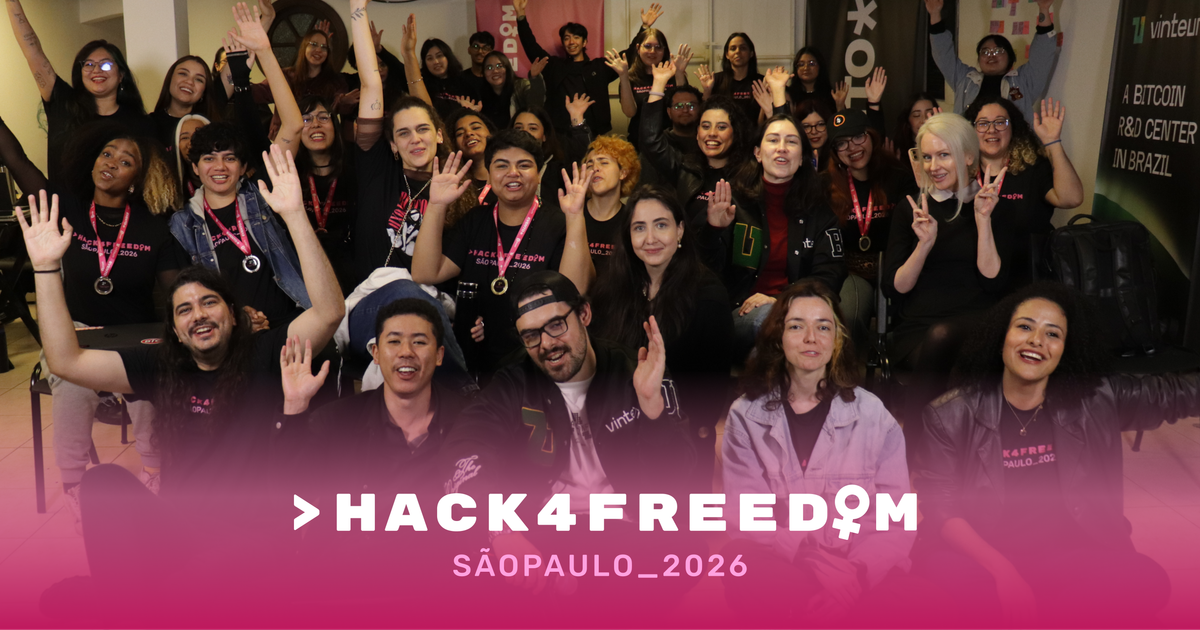
July 12–26, 2026
Two weeks. Twenty six builders. One freedom tech cohort.
Last month, Hack4Freedom wrapped up its São Paulo cohort: fifteen days of workshops, mentorship, and open-source building with bitcoin, Lightning, and Nostr. Here's the full story, from Day 1 to Demo Day.
By the numbers:
- 15 days of programming
- 20+ speakers & mentors
- 9 projects shipped
- 4 sponsors behind it
Why São Paulo
Closing the gap between using Bitcoin and building on it
Women make up roughly 3% of open-source contributors worldwide. In Brazil's bitcoin ecosystem, the imbalance is just as visible: plenty of women use freedom tech, far fewer are in the rooms where it gets built.
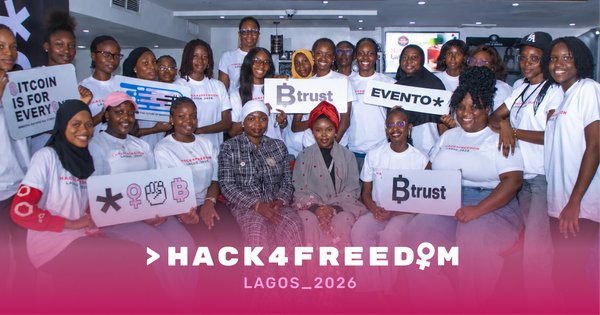
Hack4Freedom exists to close that gap, city by city. After Lagos, São Paulo was the second stop on the 2026 series, and the first in South America. For two weeks, a cohort of women developers traded theory for practice, learning bitcoin, Lightning, and Nostr not as concepts to understand but as tools to ship with.
The program was organized by Evento in partnership with Btrust, a non-profit decentralizing bitcoin open source development across the Global South, and Vinteum, Brazil's bitcoin research and open-source organization, and hosted out of Casa21, Vinteum's hackerspace in São Paulo. What follows is the day-by-day record of how it went.
Week One: Fundamentals, in Public
The first week was built for one purpose: get everyone speaking the same language before the building started.
Day 01 · Jul 12 — Opening day: introductions, alignment, teams with Brianna Honkawa d'Estries, Thaiz Batista, Lucas Ferreira, and Viviane Nogueira.
The cohort kicked off with recruitment, credentialing, and introductions, followed by talks on what Hack4Freedom is, why Vinteum builds open-source bitcoin infrastructure, and a grounding session on bitcoin fundamentals. The day closed with mentor networking, team formation, and a toast to what was about to start.
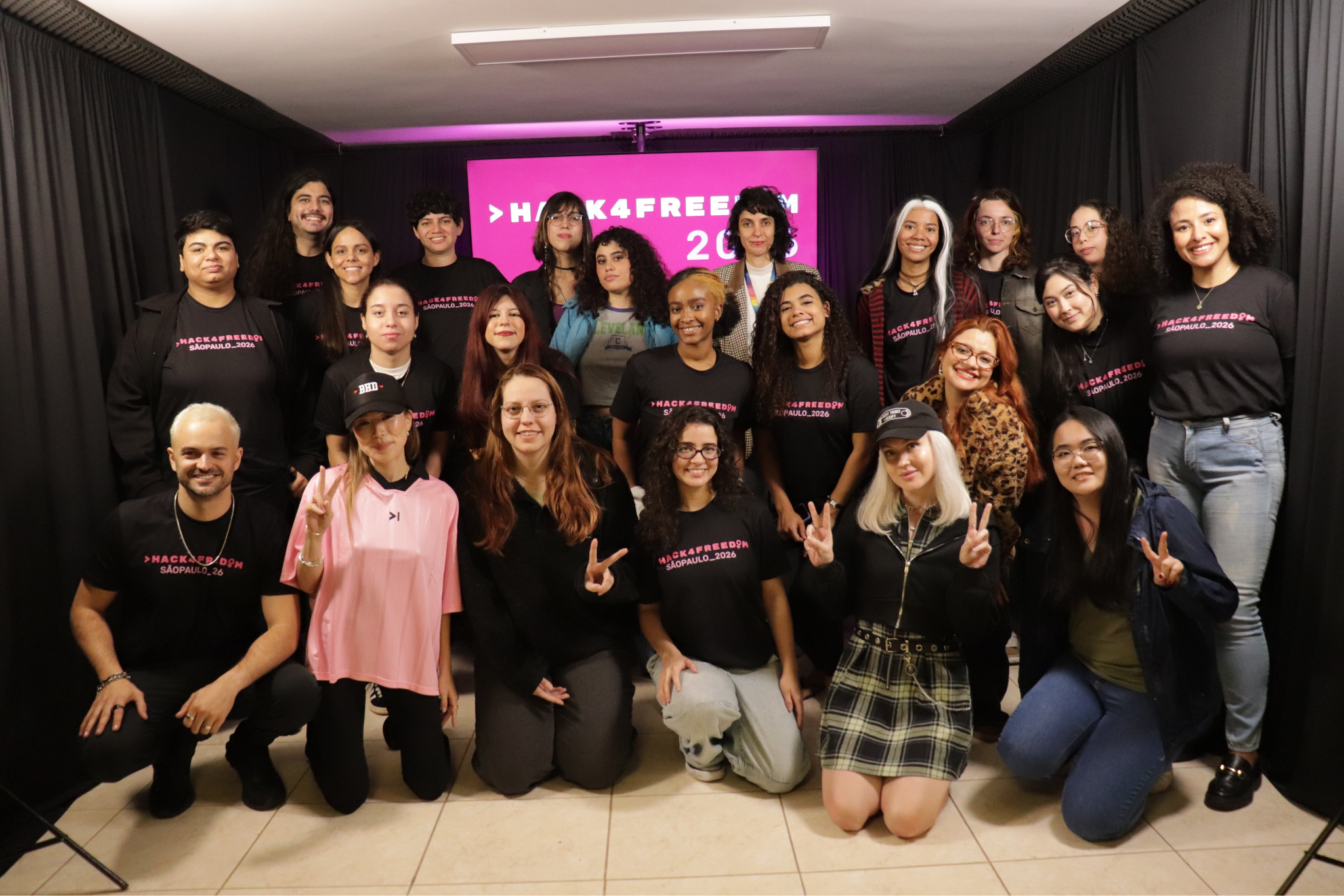
Day 02 · Jul 13 — Building fast on Nostr, and paying with an email address with M.K. Fain and André Neves.
M.K., co-founder and CEO of Soapbox Technology, showed how to combine Shakespeare, OpenCode, and OpenRouter to accelerate Nostr app development. André Neves, creator of the Lightning Address protocol and co-founder at ZBD and Vinteum, walked through how email-style bitcoin payments work, and how AI agents can speed up development while reviewing for vulnerabilities in parallel.
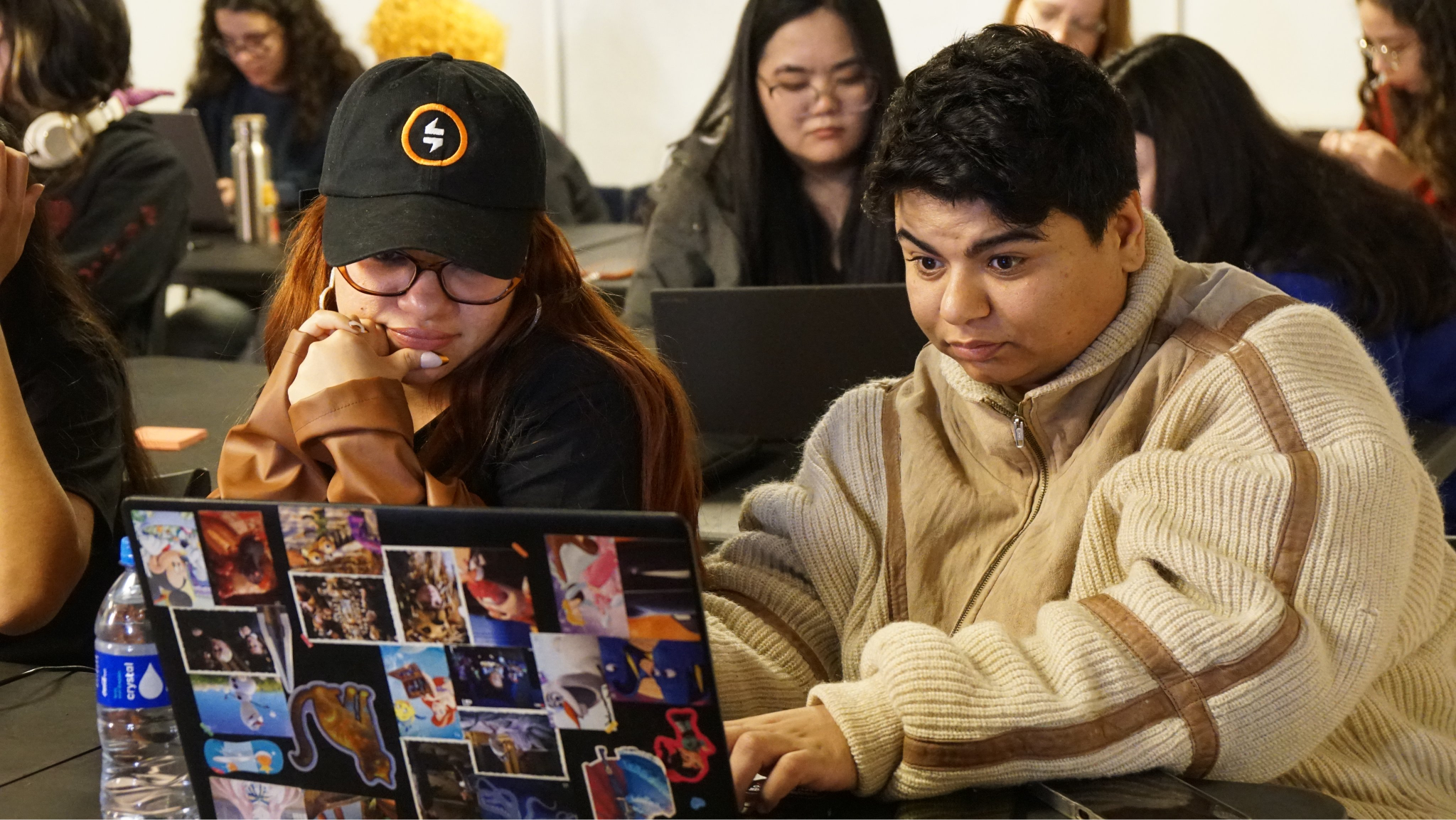
Day 03 · Jul 14 — Lightning, from workshop to production with Jãonoctus & D++ and Bruno Campos.
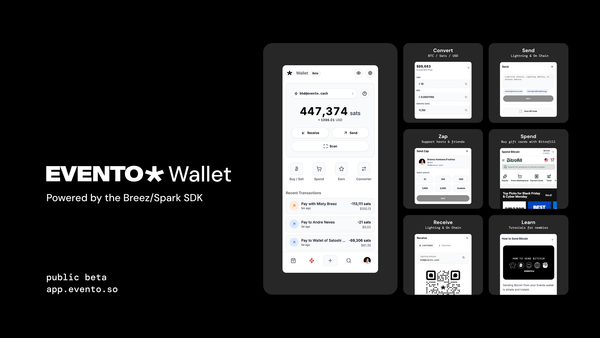
Jãonoctus (ZBD, Developer Advocate at Vinteum) and D++ (bitcoin educator and PLEBNET contributor) ran a hands-on Lightning workshop. Later, Bruno Campos, CEO of Klever, showed how the Breez SDK abstracts bitcoin's complexity to bring non-custodial payments into real applications.
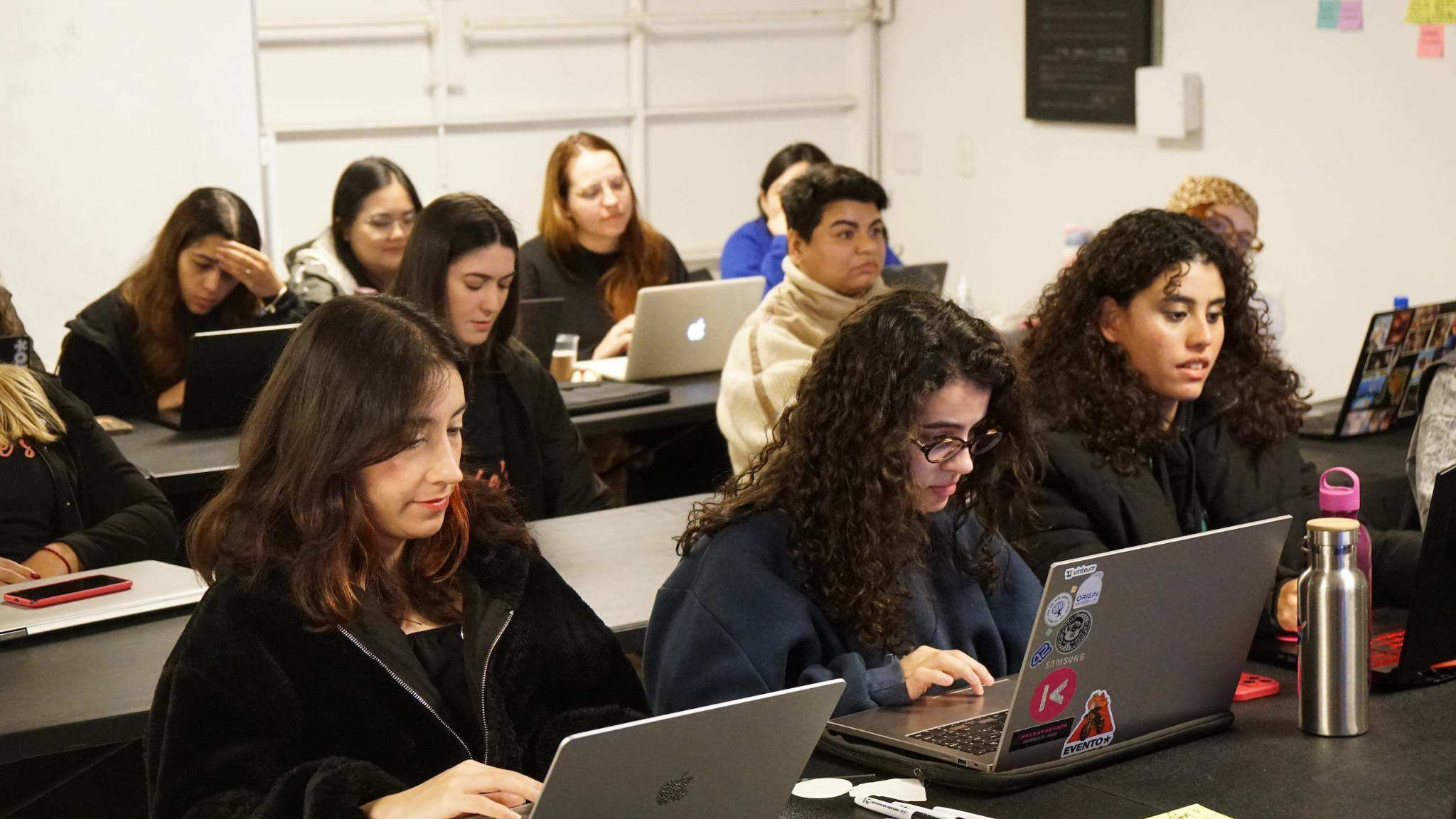
Day 04 · Jul 15 — What's inside a wallet, and how to design for one with Lucca Godoy, Thiago Orikassa, and Emilia Roitman.
Lucca Godoy, CTO of the Mooze wallet, opened up how a bitcoin wallet works under the hood using the BDK library. Thiago Orikassa (Bipa) and Emilia Roitman (Decolar.com) then walked through two paths from idea to product: traditional research-driven design, and an AI-accelerated one for validating hypotheses fast.
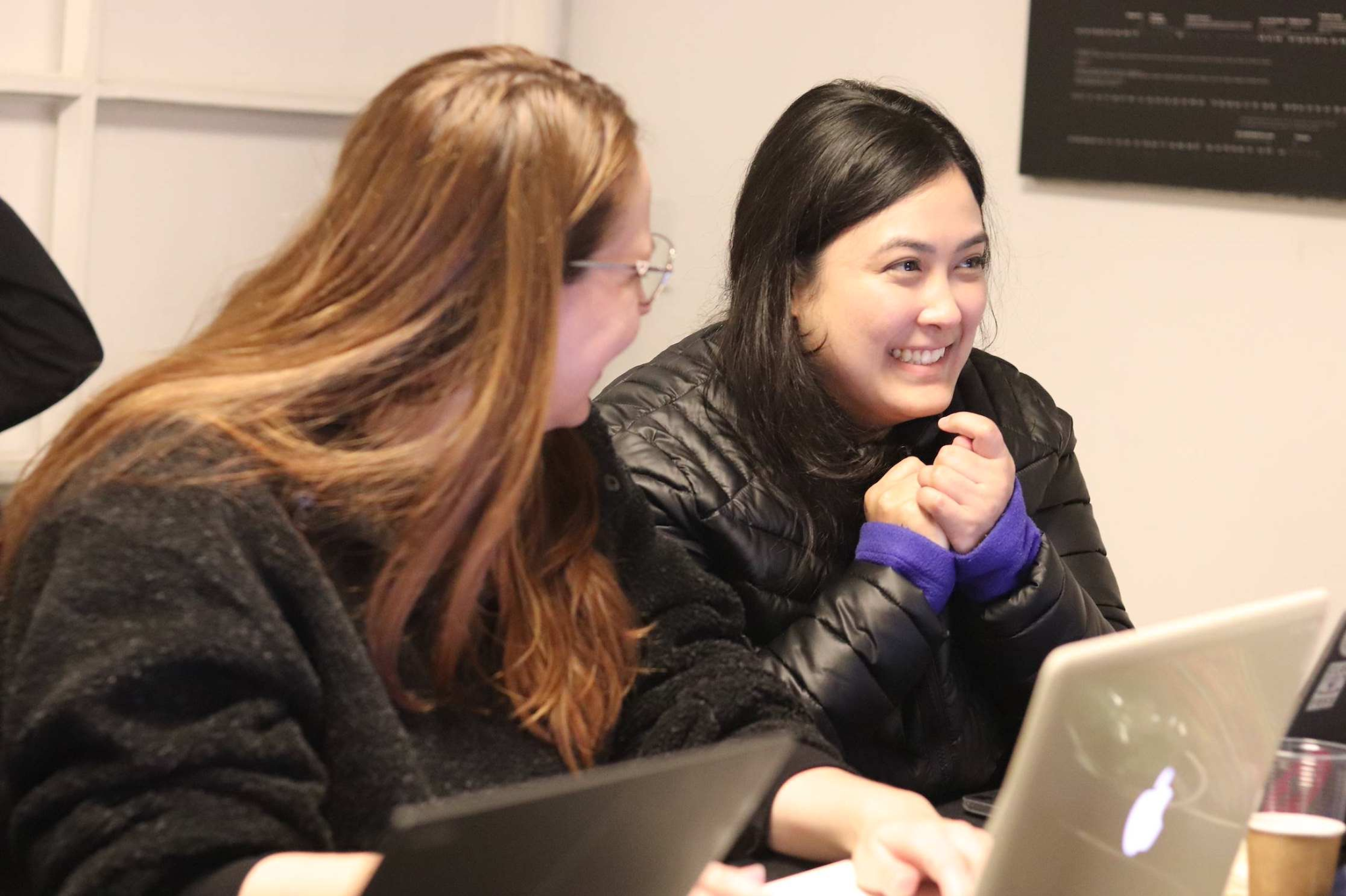
Day 05 · Jul 16 — Why privacy isn't optional with Renata Rodrigues and Dulce Villarreal.
Renata Rodrigues, of Fedi, explained why privacy protects the people who need bitcoin most: activists, journalists, and communities at risk. Dulce Villarreal, founder of Librería de Satoshi, closed the day showing how to turn a raw idea into a clear product proposal — problem, audience, value, and risks — with a little help from AI.
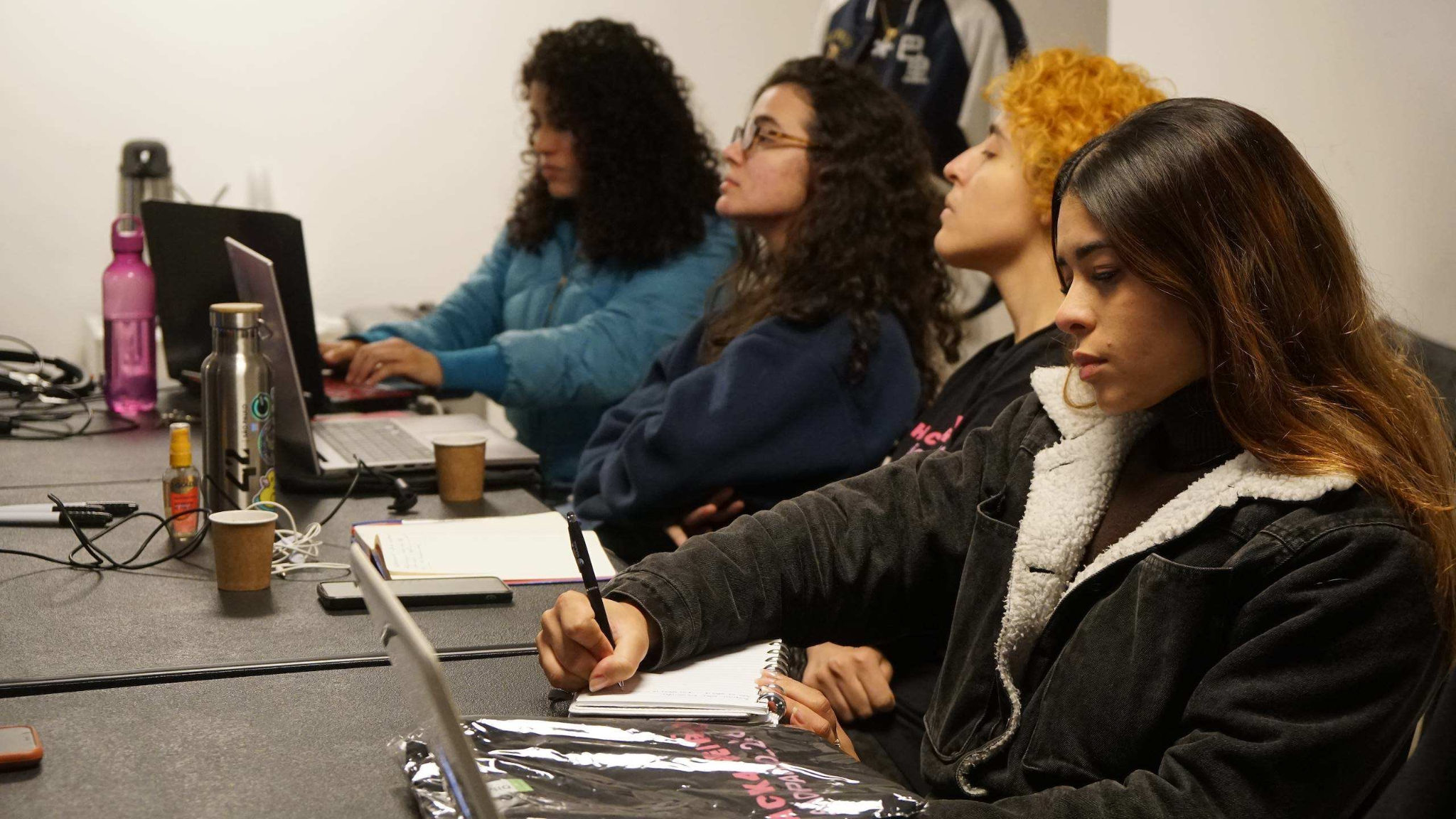
Week Two: From Learners to Builders
With the fundamentals covered, the second week shifted from concepts to conviction: open source careers, real bitcoin businesses, and the human stories behind freedom tech.
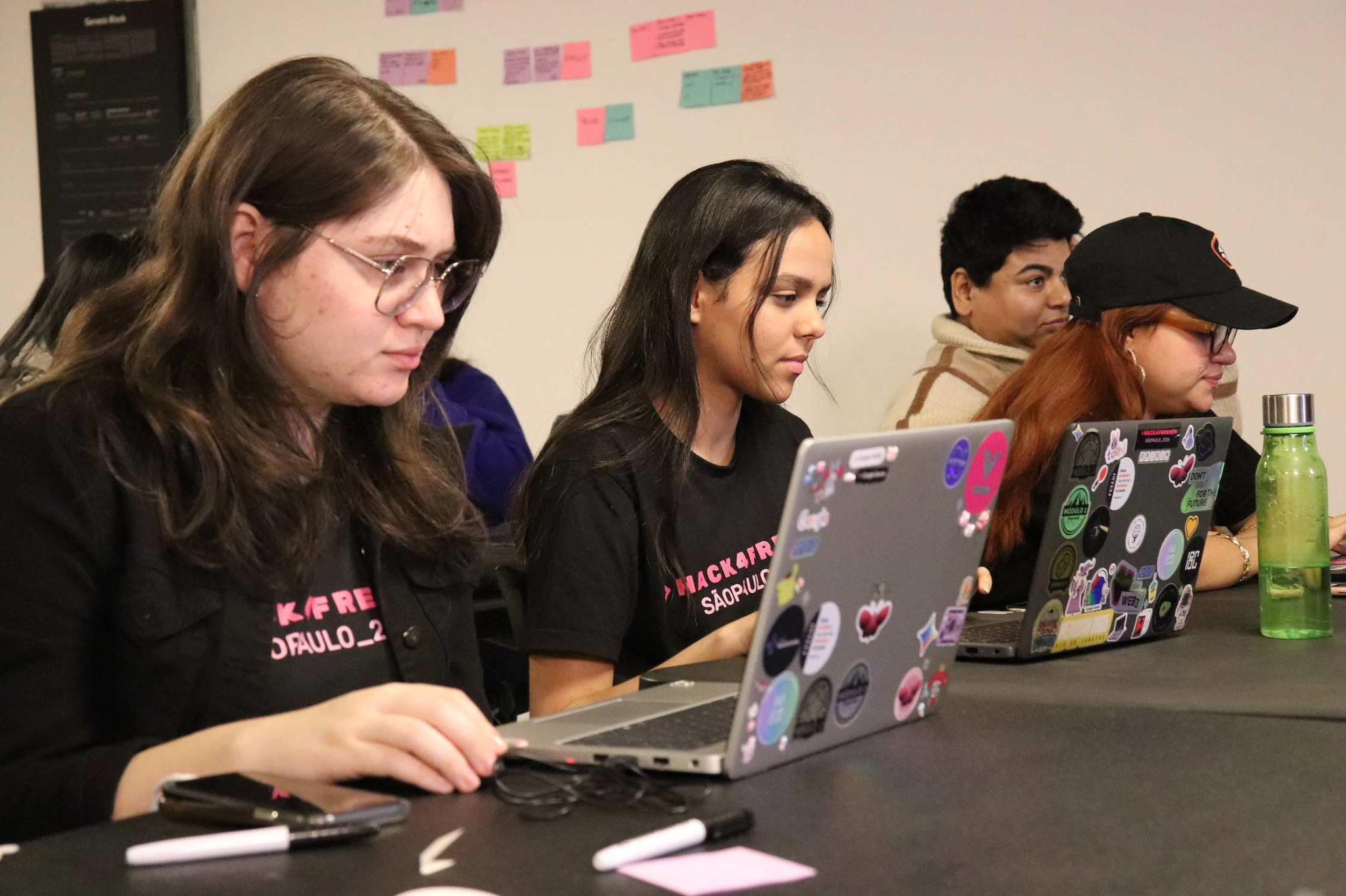
Day 06 · Jul 17 — No gatekeepers, just proof of work with Lorraine Marcel, Sabina Waithira, and Isabella Rugna.
Lorraine Marcel, founder of Bitcoin DADA and DADA Devs, made the case that open source runs on a different currency than traditional careers: no degree, no visa, no permission needed, just a public, verifiable record of what you've shipped. Sabina Waithira, co-founder of the Kenyan bitcoin payments company Tando, shared the lessons behind turning a weekend idea into a two-year-old business: solve a real problem, plug into rails people already trust, and let your users lead. Isabella Rugna, of Bitrefill, closed the day with what it's actually like to live bitcoin-only — the friction points that are worth fixing, and the ones that already work.
Day 07 · Jul 21 — Bitcoin for people, and how to pitch what you build with Kanika Singh and Claire Parkinson.
Kanika Singh, Project Manager at Groundswell Project, shared lessons from remittances and direct giving in vulnerable communities — bitcoin as a tool for solidarity, not just speculation. Claire Parkinson, Chief of Staff at ZBD, then walked the cohort through structuring a pitch: define the problem, prioritize, divide the work, and back every claim with facts.
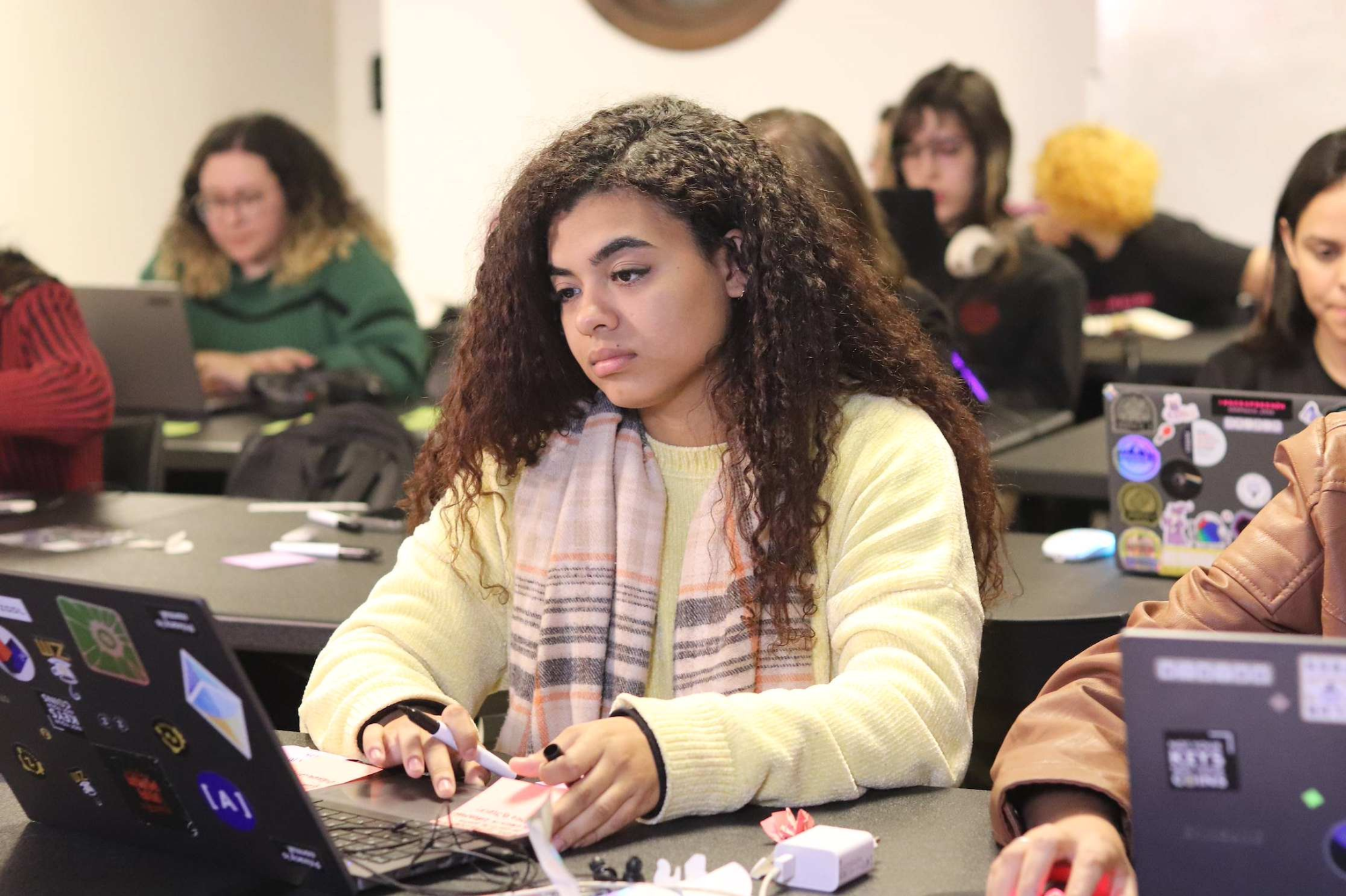
Day 08 · Jul 22 — From contributing to Bitcoin Core to building human infrastructure with Amiti Uttarwar.
Amiti Uttarwar, founder of Waye and the first woman recognized as a Bitcoin Core contributor, traced her path from technical contributions to building the human infrastructure that keeps open-source developers supported over the long run. Her message to the cohort: Bitcoin's protocol needs code, but it needs well-supported people even more.
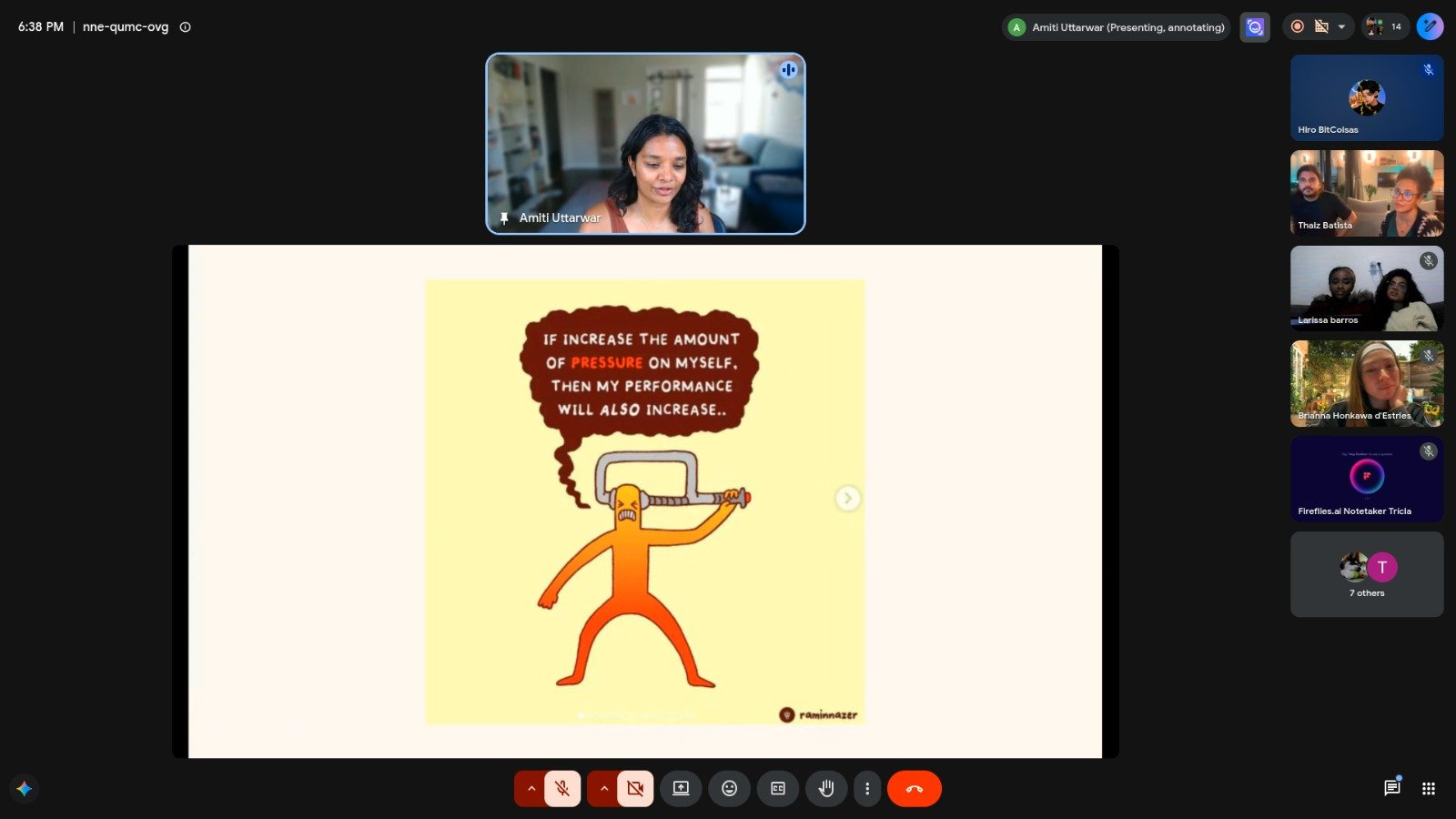
Day 09 · Jul 23 — Fearlessness, protocol, and why this all matters With Anaïse Kanimba, Davidson Souza, Cindy, and Lucas Ferreira.
Anaïse Kanimba, founder of the Africa Bitcoin Institute, turned her family's story of resilience into freedom tech work, helping activists in over 60 countries use bitcoin and secure tools to stay safe. Davidson Souza, maintainer of Floresta and a Vinteum grantee, walked through how protocol developers think: trade-offs, careful review, and minimizing trust. Cindy, a Vinteum Fellow researching bitcoin privacy, shared an honest account of arriving at protocol research from law and pet care — no perfect background required. Lucas Ferreira closed the day with a reminder: open source is a real path to careers, grants, and global collaboration, especially for women ready to build, not just use.
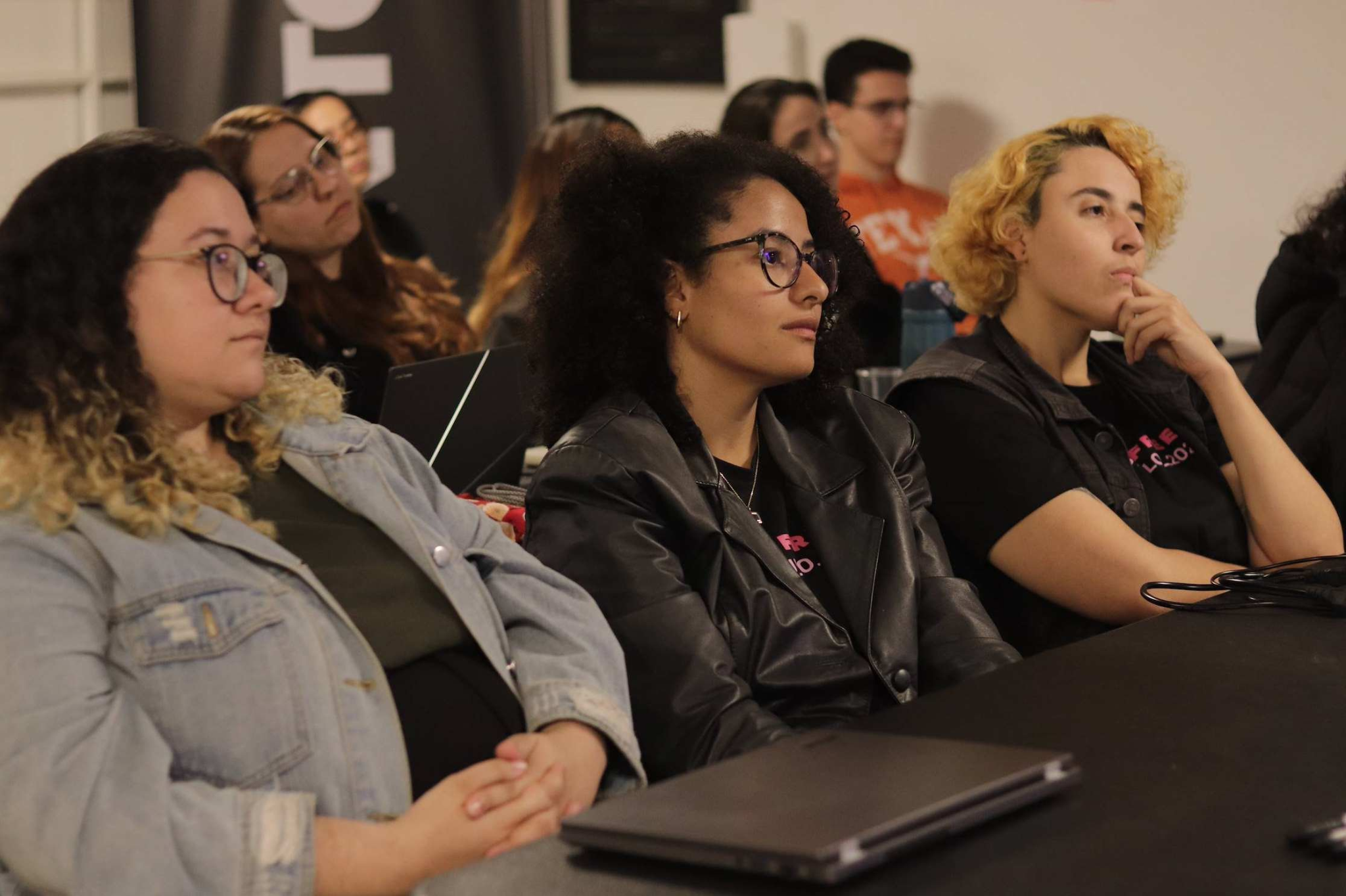
Day 10 · Jul 25 — Demo Day: nine projects, fifteen days
Two weeks of learning, building, and shipping came down to one night. Nine teams presented real, working projects built on bitcoin, Lightning, and Nostr, addressing problems from domestic financial abuse to community energy grids.
🏆 1st Place + Breez SDK Prize — Satra
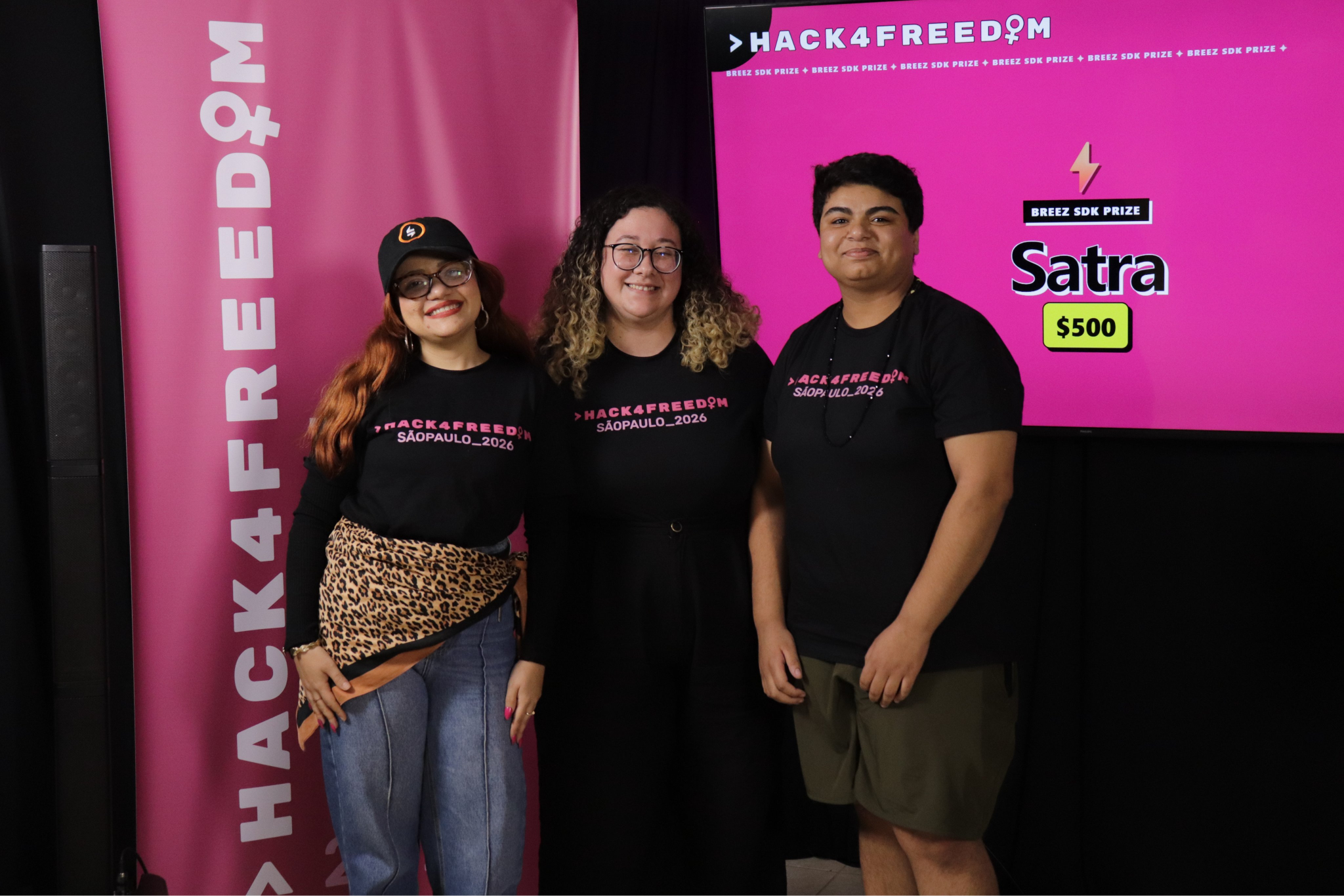
A wallet disguised as a calculator. On the surface, it does math. Underneath, it's a full Lightning wallet, letting women in domestic violence situations keep a hidden financial reserve, safe from anyone monitoring their phone. Built entirely from scratch, hardware and all.
⚡️ See their project on Github: SATRA
🥈 2nd Place — Elas Recebem Hoje
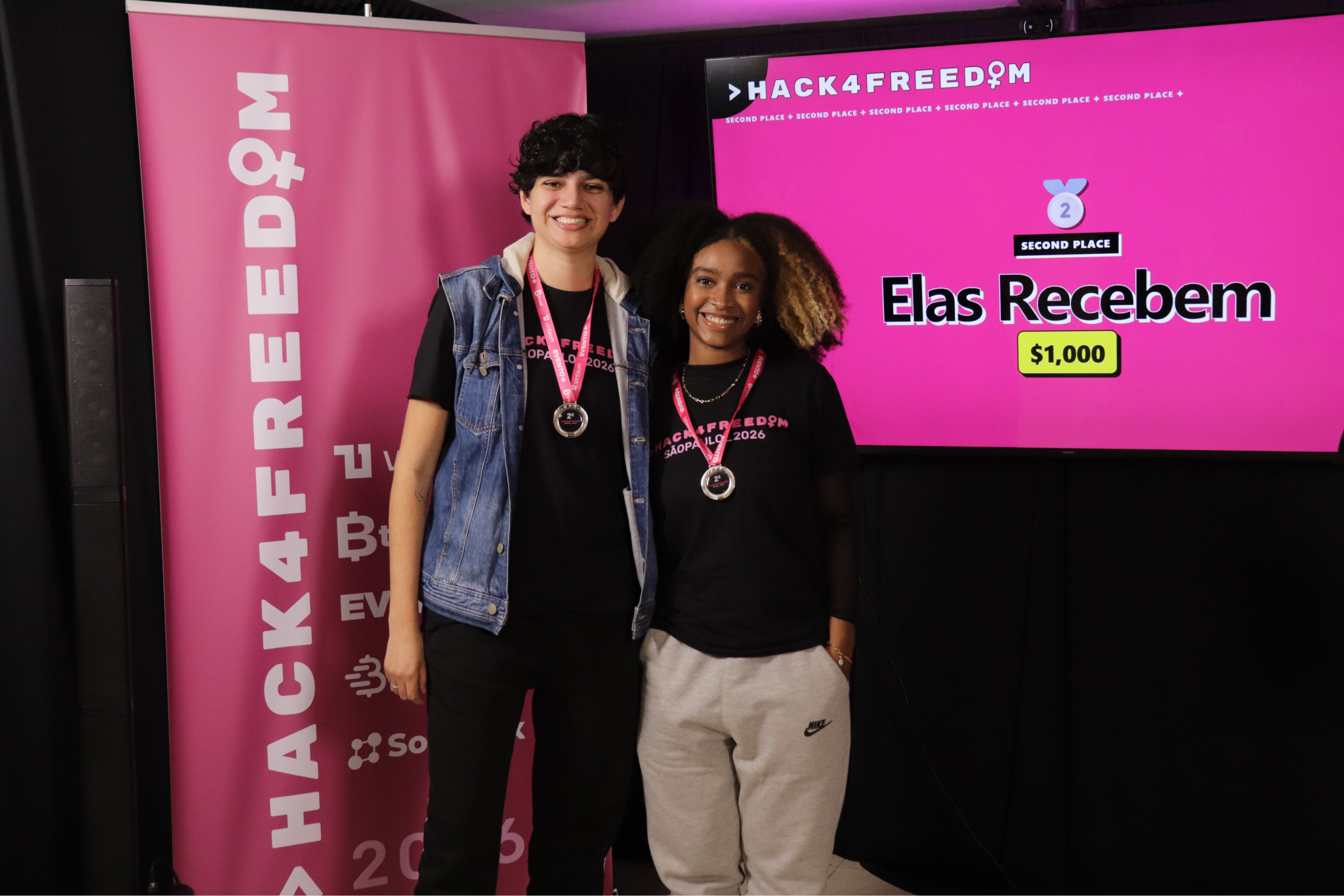
This project lets freelancers turn a confirmed future payment into a bitcoin funding pool, so women don't have to wait weeks to get paid for work already done. The team also created the Lightning Receivables Protocol, a new open standard, to make it work.
⚡️ See their project on Github: Elas Recebem Hoje
🥉 3rd Place — Iris
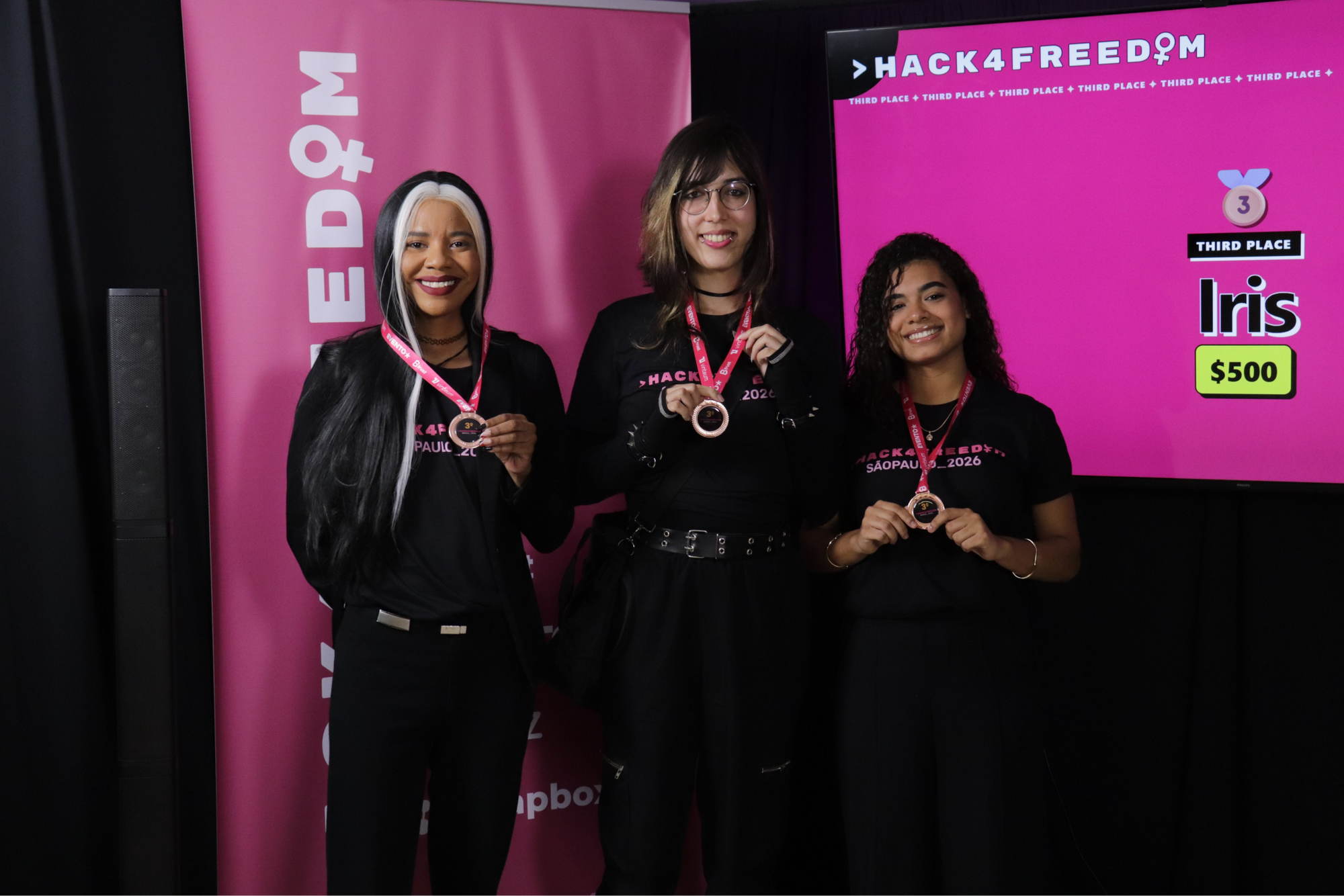
Iris brings the spirit of African SACCOs and Fedimint to Brazil's trans community, pooling money through trusted circles to unlock access to healthcare that's otherwise out of reach. Built on Nostr identities and bitcoin for privacy from day one.
⚡️ See their project on Github: Iris
🎖️ Honorable Mention — SatsMeter
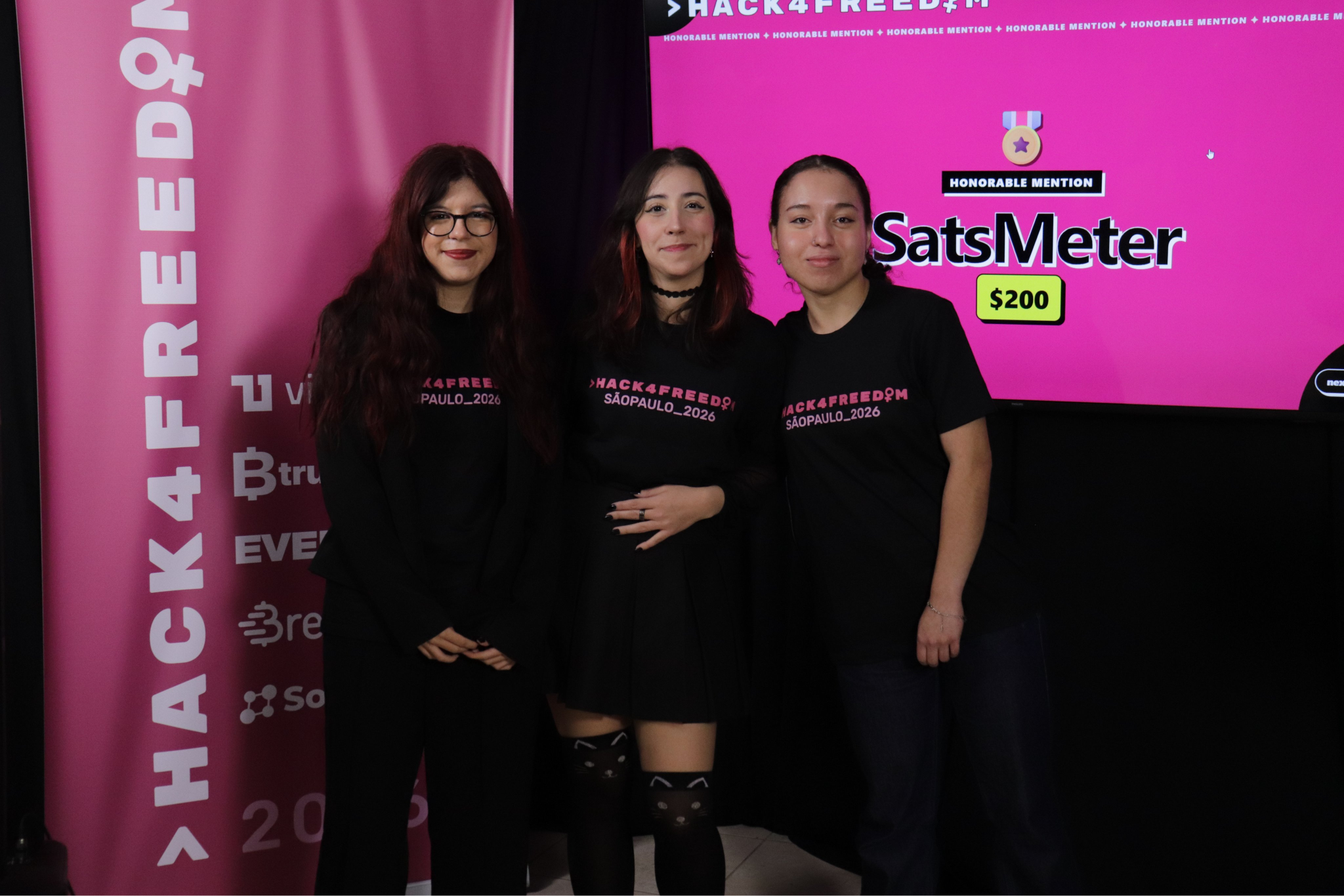
SatsMeter turns community power grids into pay-as-you-go Lightning meters, billing electricity automatically down to the last watt, no bank, no middleman. Firmware, backend, and dashboard, all built from the ground up.
⚡️ See their project on Github: SatsMeter
🏅 Nostr Prize — Arakne
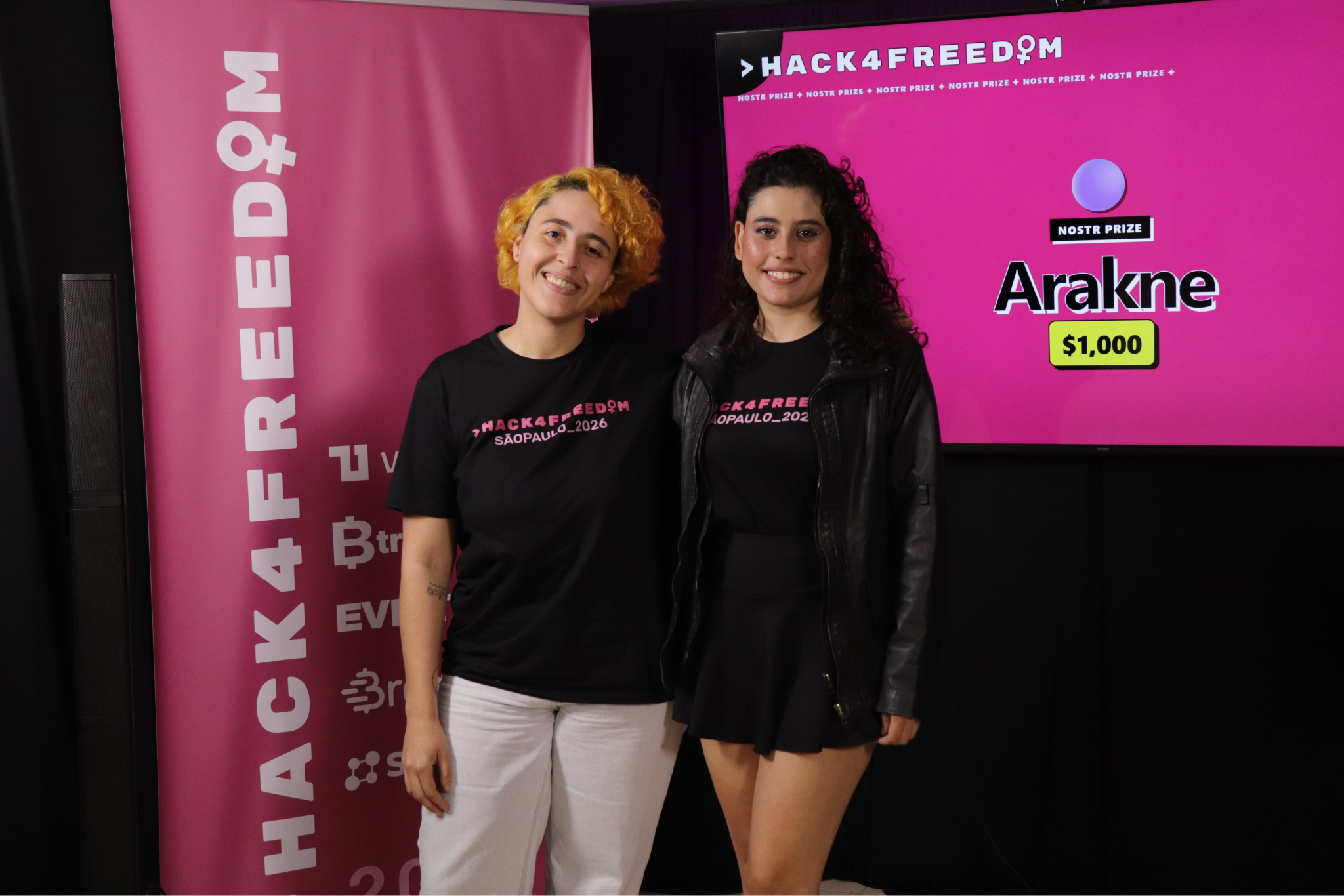
Arakne hides in plain sight as a crochet learning app. Underneath, it's a peer-to-peer microcredit network for women locked out of banking by coercive control, unlocked only through a hidden gesture only she knows.
⚡️ See their project on Github: Arakne
Also shipped:
- SatVantage — The missing layer between buying bitcoin and living on it: teaches through real sats rewards, and steps in before risky financial decisions instead of blocking them.
- Mitsu BTC — A Lightning wallet built for gamer girls, turning everyday skin trading into a quiet source of funding for women's shelters through a small automatic contribution on every transaction.
- Stark — Connects learning, paid digital work, and portable reputation in one flow, so women can build a skill, complete a real task, and get paid in bitcoin, verified through Nostr.
- Bit no Corre — A gamified learning app teaching bitcoin to kids and teens in vulnerable communities, built entirely on the team's own hardware, no shortcuts.
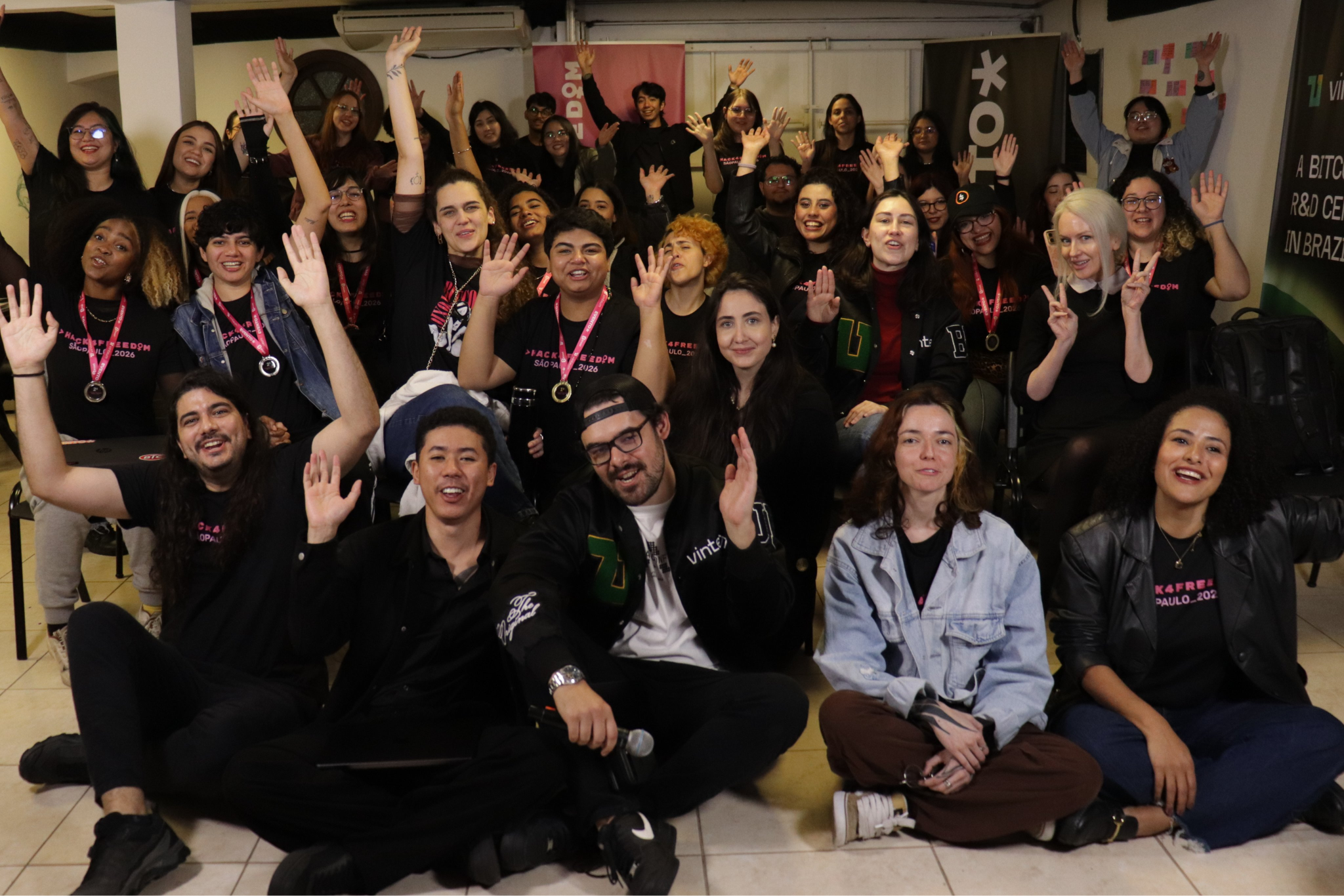
Meet the Mentors
Fifteen days of programming, made possible by more than 20 mentors and speakers who showed up to teach, in person and online.
Brianna Honkawa d'Estries — Founder, Evento and Hack4Freedom. Opened the cohort and set the tone for the two weeks ahead.
Thaiz Batista — Head of Operations, Vinteum. Ran point on the program from Day 1 to Demo Day.
Lucas Ferreira — Co-Founder & Executive Director, Vinteum. Introduced what it means to contribute to open-source bitcoin, and closed the program with the same message.
Viviane Nogueira — Grounded the cohort in bitcoin fundamentals on Day 1.
M.K. Fain — Co-founder & CEO, Soapbox Technology. Showed how to build Nostr apps faster with AI tooling.
André Neves — Creator of the Lightning Address protocol, co-founder at ZBD and Vinteum. Taught email-style bitcoin payments.
Jãonoctus — Payments infrastructure developer at ZBD, Developer Advocate at Vinteum. Co-led the Lightning workshop.
D++ — Bitcoin educator and PLEBNET contributor. Co-led the Lightning workshop.
Bruno Campos — CEO, Klever. Walked through the Breez SDK and non-custodial payments.
Lucca Godoy — CTO, Mooze wallet. Opened up how a bitcoin wallet works using BDK.
Thiago Orikassa — Product Designer, Bipa. Taught product design from idea to prototype.
Emilia Roitman — Senior UX Content Designer, Decolar.com. Co-taught the AI-accelerated design path.
Renata Rodrigues — Fedi, formerly Paxful LATAM. Spoke on privacy, financial freedom, and decentralized networks.
Dulce Villarreal — Product Manager, founder of Librería de Satoshi. Taught the cohort how to frame a product proposal.
Lorraine Marcel — Founder, Bitcoin DADA & DADA Devs. Opened week two with a roadmap from learner to open-source contributor.
Sabina Waithira — Co-founder, Tando. Shared how to turn a Lightning prototype into a real business.
Isabella Rugna — Bitrefill. Spoke on what it's really like to live on bitcoin.
Kanika Singh — Project Manager, Groundswell Project. Spoke on bitcoin for remittances and direct giving.
Claire Parkinson — Chief of Staff, ZBD. Taught the cohort how to structure a pitch.
Amiti Uttarwar — Founder, Waye. Supporting the human side of open-source freedom tech development.
Anaise Kanimba — Founder, Africa Bitcoin Institute. Spoke on fearlessness and resilience in freedom tech work.
Davidson Souza — Maintainer, Floresta. Vinteum grantee. Taught how protocol developers think.
Cindy — Vinteum Fellow researching bitcoin privacy. Shared her path into protocol research.
What's Next
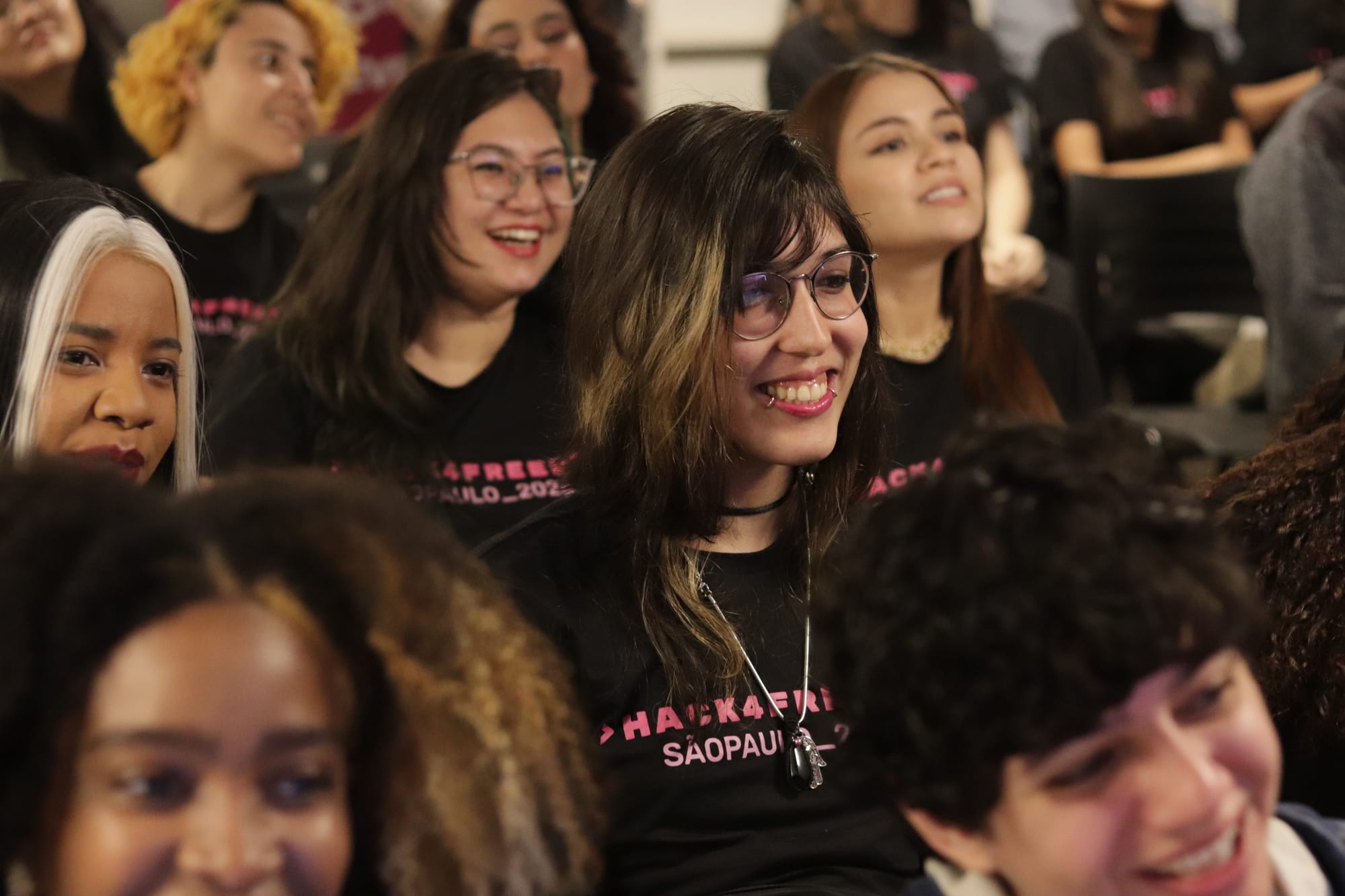
Every one of these projects is open source and public on our GitHub. Every one of these builders started the program with a login and finished it with a shipped product, a pull request history, and a place in a global community of women building on bitcoin.
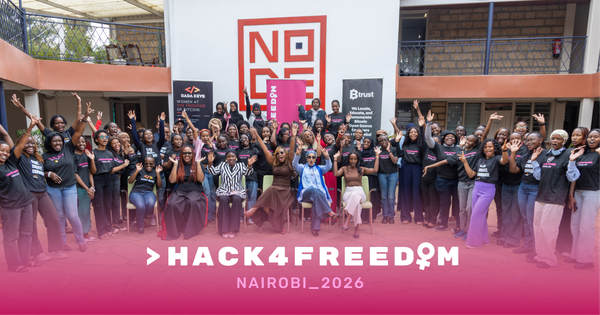
São Paulo is the second stop on the Hack4Freedom 2026 series. The playbook travels with it: two weeks, hybrid format, real mentorship, and a Demo Day that turns theory into proof of work.
None of this happens without the people who fund it, mentor it, and show up for it. A final thank you to everyone who backed this cohort: Btrust, Vinteum, Evento, Soapbox, and Breez.
Hack4Freedom is coming to more cities. Next up, Nairobi, Kenya - September 22 - October 5!