Hack4Freedom Lagos: Building the Next Generation of Freedom Tech Developers

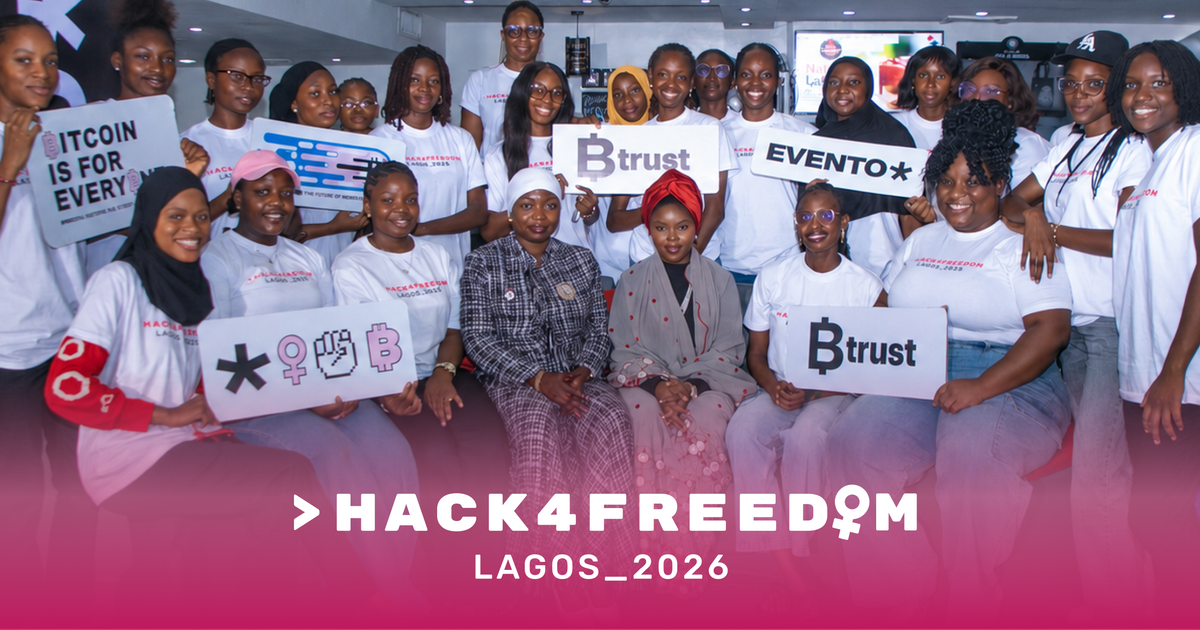
Across the Global South, women face some of the greatest barriers to financial access, from limited control over bank accounts and credit to legal, cultural, and economic systems that restrict their independence. These are also the places where bitcoin and freedom technology can be most powerful. But the people most affected by financial exclusion are still too often absent from building the tools meant to serve them.
That is the gap Hack4Freedom exists to close. Women cannot only be users of open, censorship-resistant money and freedom technology. They need to be builders too.
In Africa, where bitcoin adoption is among the highest in the world, that work is especially urgent. Lagos 2026 was proof that the fix is working.
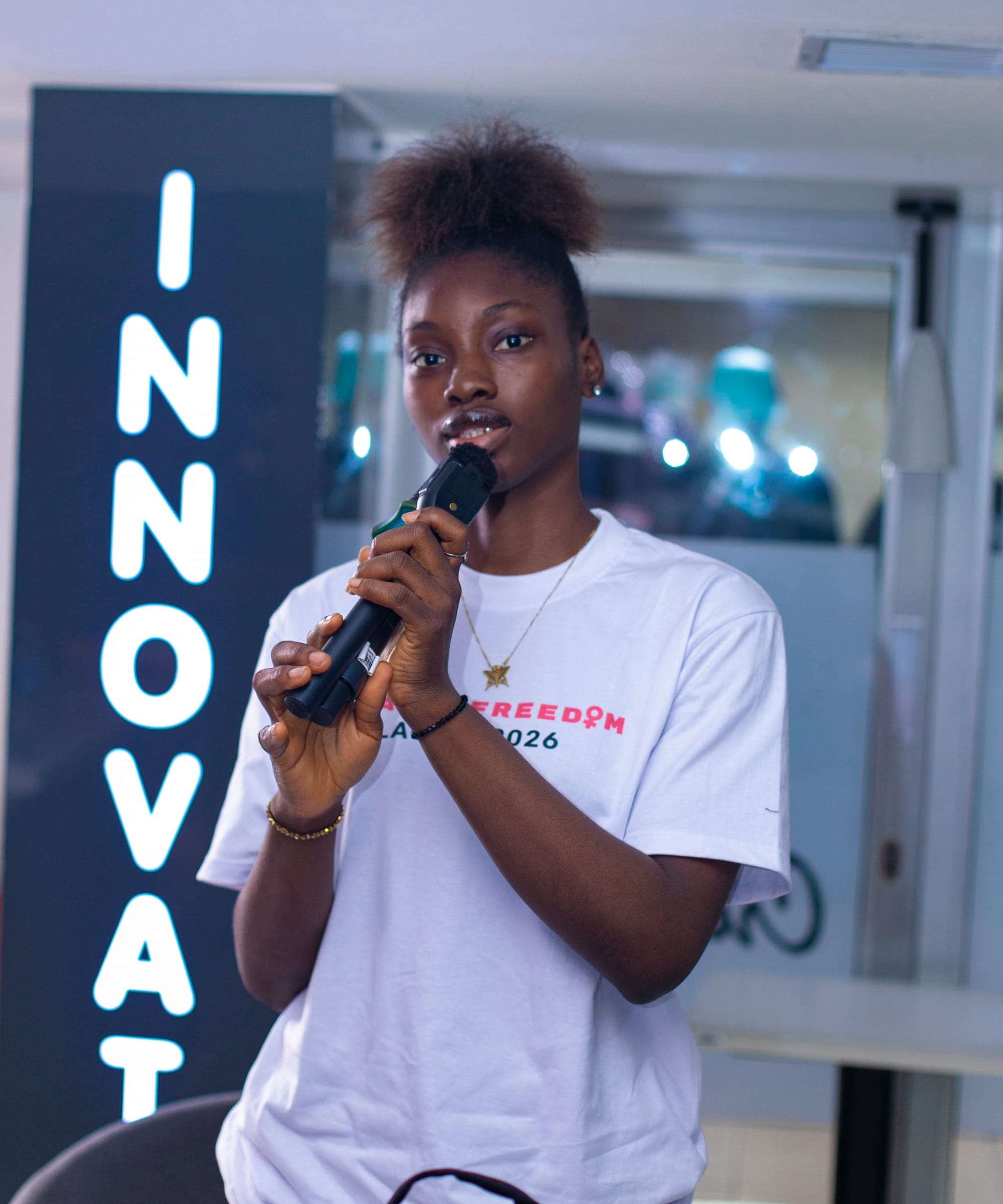
The model is deliberately simple and repeatable: two weeks, hybrid, free, women-only, open-source-first. Week one focuses on fundamentals and protocol deep-dives across bitcoin, Lightning, Nostr, design, security, product thinking, and open-source contribution. Week two moves from learning into building: teams, mentors, code reviews, standups, pitch prep, and public repos. It ends with Demo Day, prizes, and something more important than prizes: women leaving with real projects, real commits, and the confidence to keep contributing.
Hack4Freedom is a pipeline.
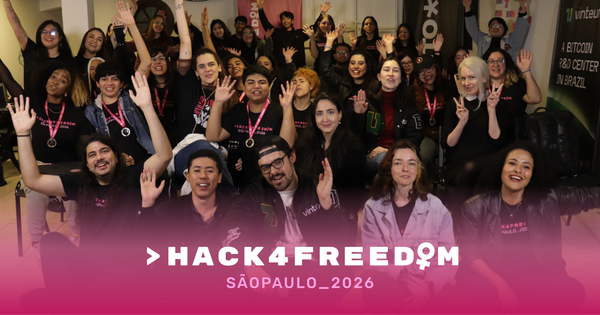
The inaugural 2025 cohort in Kaduna brought together 20 women who shipped 8 open-source prototypes. Lagos 2026 brought together 38 women and produced 13 projects, including GhostKey, a non-custodial bitcoin inheritance tool that won overall; SatQuest, a gamified bitcoin learning platform that took second place; Bitscy, a bitcoin-native marketplace for women artisans that took third; Zappr, a multilingual Nostr client that won the Nostr track; and ZapCart, a Lightning point-of-sale tool that won the Breez track. Next is São Paulo, July 12 to 26, in partnership with Vinteum, with more Global South cities to come.
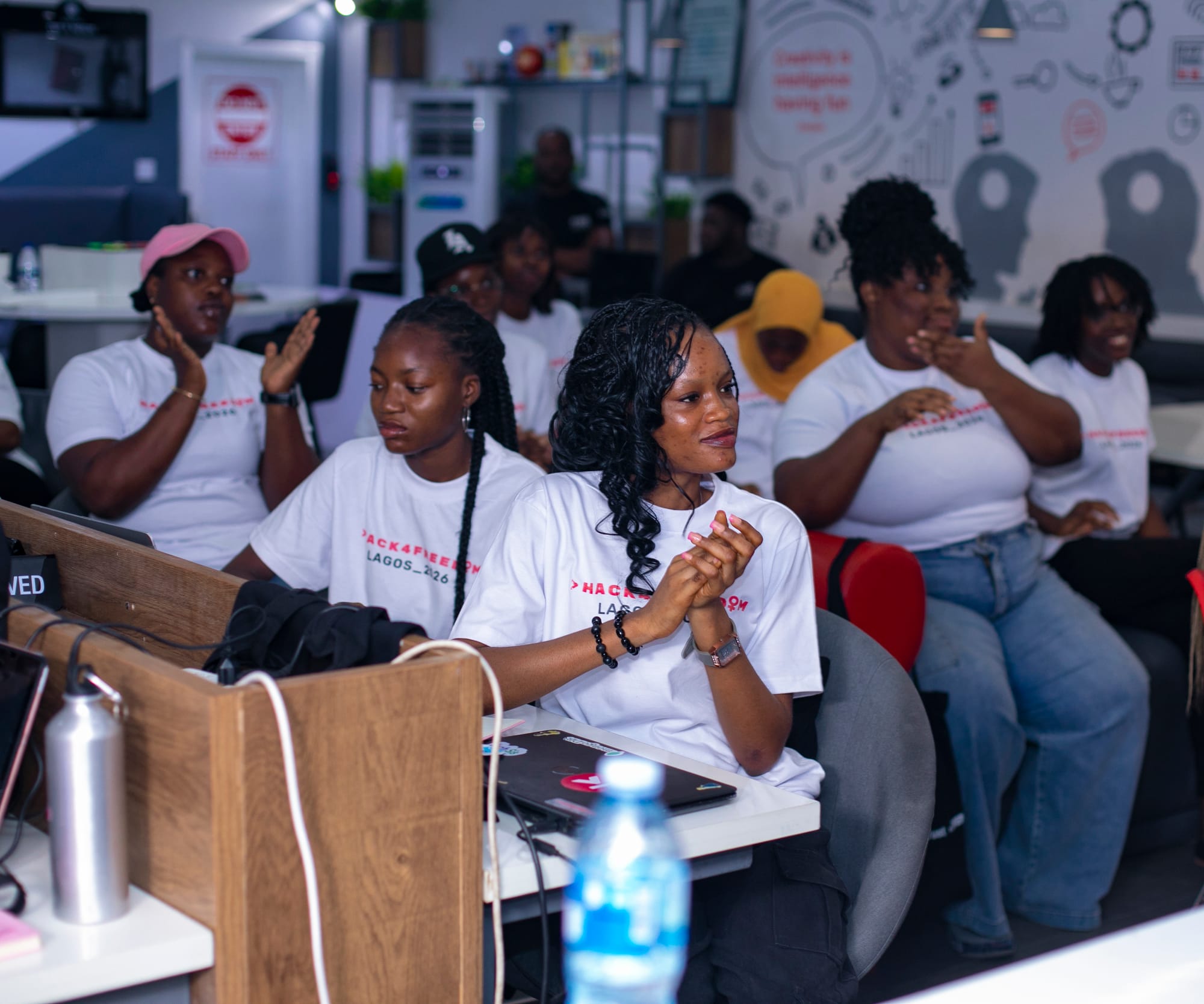
“Hack4Freedom pushed us to build something real instead of just an idea we kept talking about. We're a team of three women, and it gave us the structure, the mentorship, and honestly the deadline pressure we needed to actually ship a working product in two weeks. The bigger impact was that it changed how we saw the problem we were solving. African women creators being locked out of global payments was something we knew about, but the hackathon gave us the push to treat it as something worth building a real solution for, not just complaining about. We started as teammates and finished genuinely believing Bitscy should exist beyond the hackathon.” - Team Bitscy, 3rd Place Winners
Thank You to Our Sponsors
Hack4Freedom Lagos was made possible by the sponsors who believed this program should exist and backed that belief with real support: Btrust, Evento, Soapbox, and Breez. Their support helped make the program free for participants and gave the cohort access to the people, tools, mentorship, and infrastructure needed to move from learning into building.
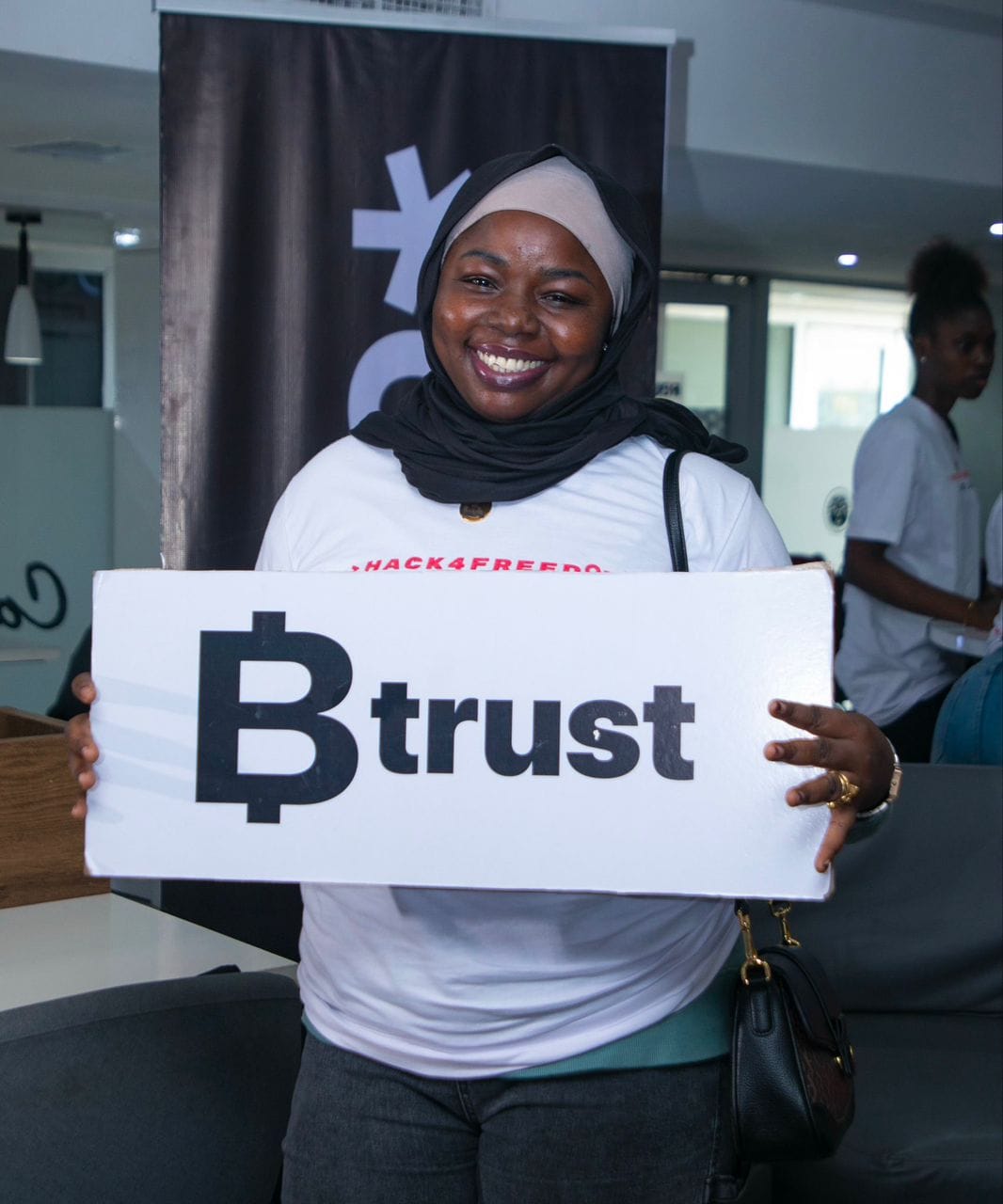
A special thank you to Btrust, our main sponsor, for believing in Hack4Freedom from the beginning. Btrust has supported this mission since the first cohort in Kaduna and continues to show up for the long-term work of decentralizing bitcoin development by investing in African women builders. That kind of early, consistent belief is what makes a project like this possible.
Kickoff Day: Why We Build
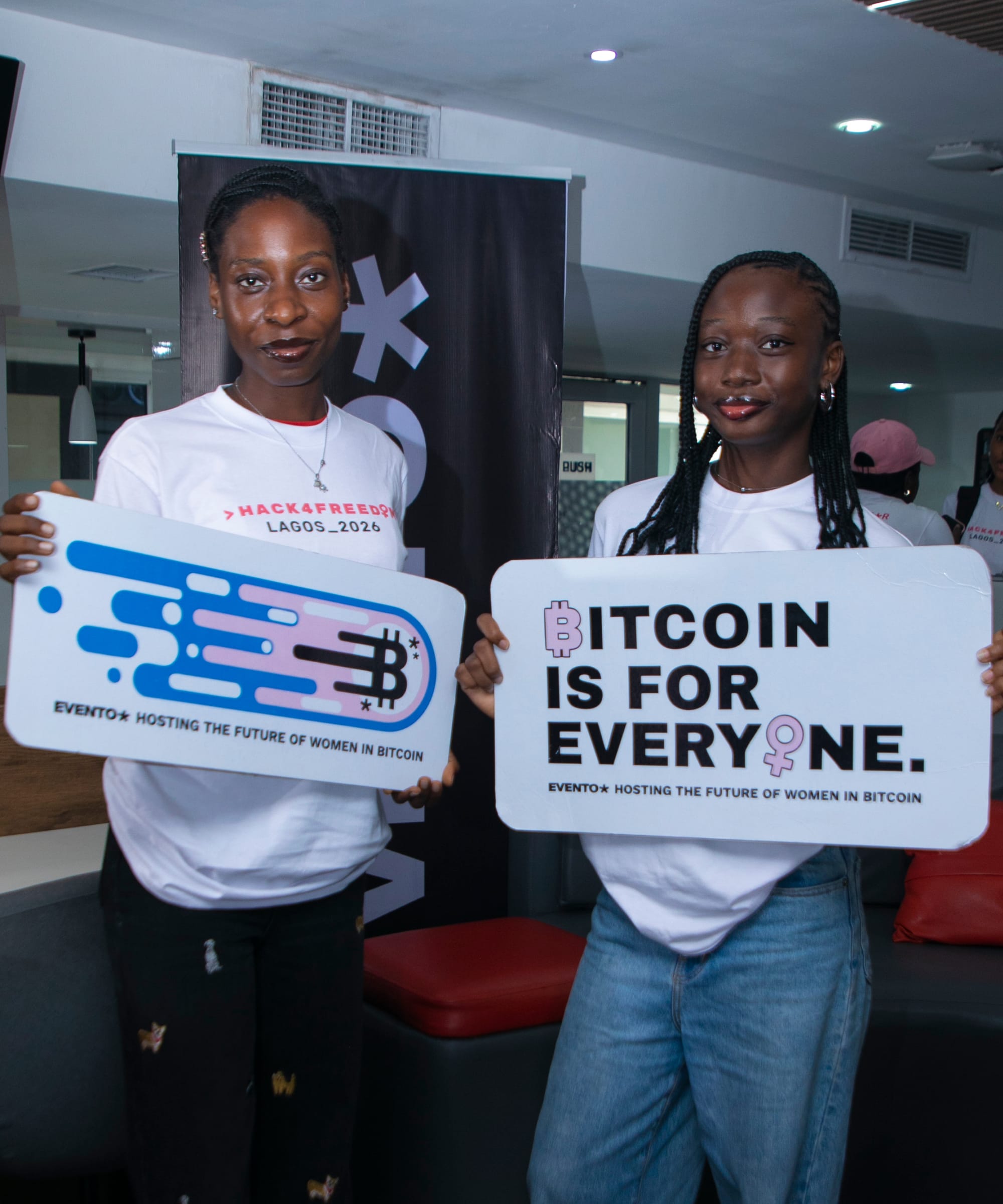
Hack4Freedom Lagos opened with a simple premise: the future of bitcoin and freedom technology should be built by the people who need it most.
On kickoff day, participants were introduced to the program, the open-source-first expectations, the challenge ahead, and the people guiding the cohort locally. For many, this was their first time entering a technical bitcoin program designed specifically for women. The energy in the room reflected that. There was curiosity, nerves, ambition, and a clear sense that this was not just another tech event.
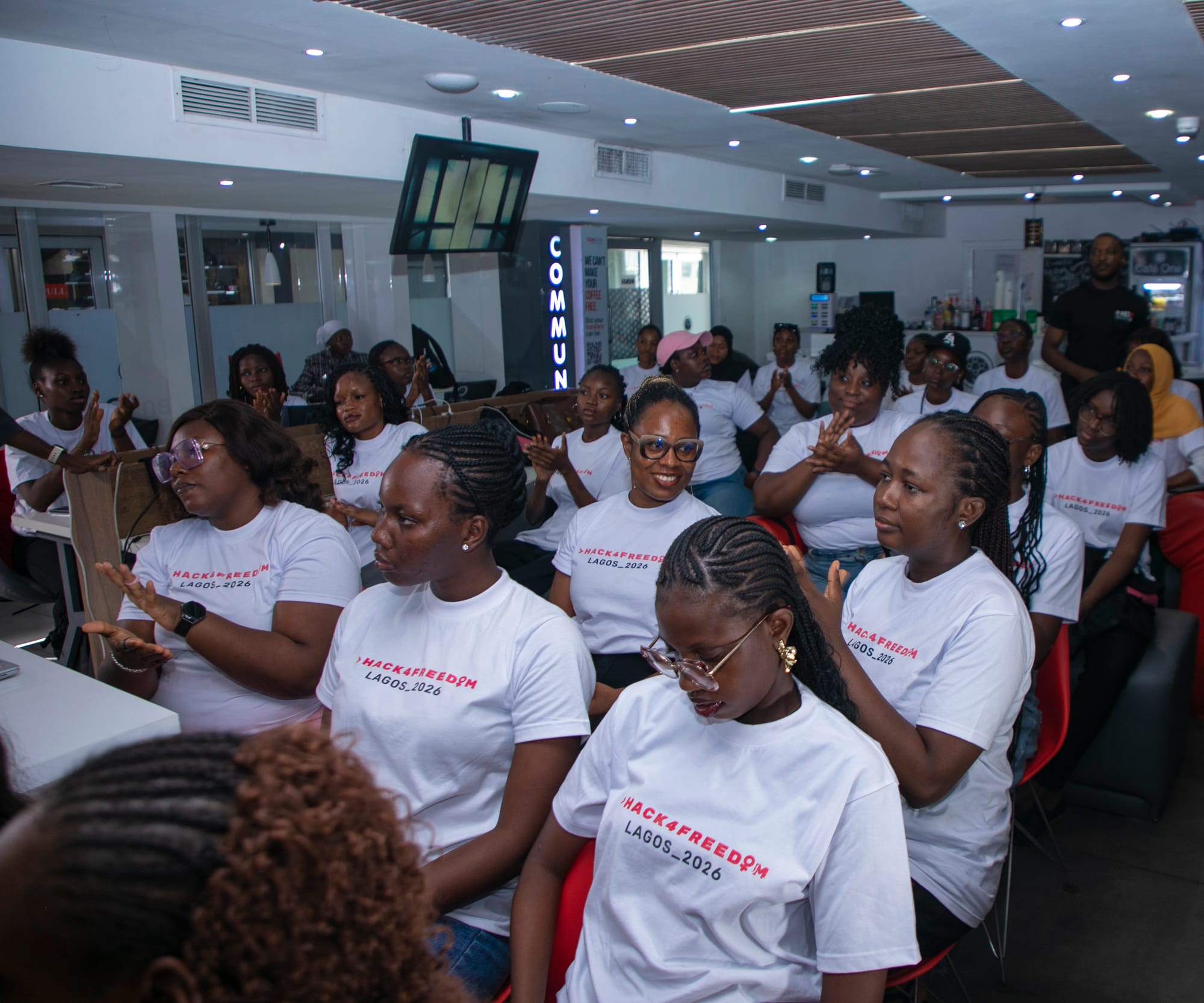
Kickoff day brought together four voices to frame the program: Sekinah Ibrahim, Brianna Honkawa d’Estries, Halima Abba, and Stephanie Titcombe. Each speaker grounded the cohort in a different part of the mission: local leadership, the broader Hack4Freedom vision, the courage to start before feeling ready, and the role of open source as a real career path.
Sekinah Ibrahim, Director of Hack4Freedom
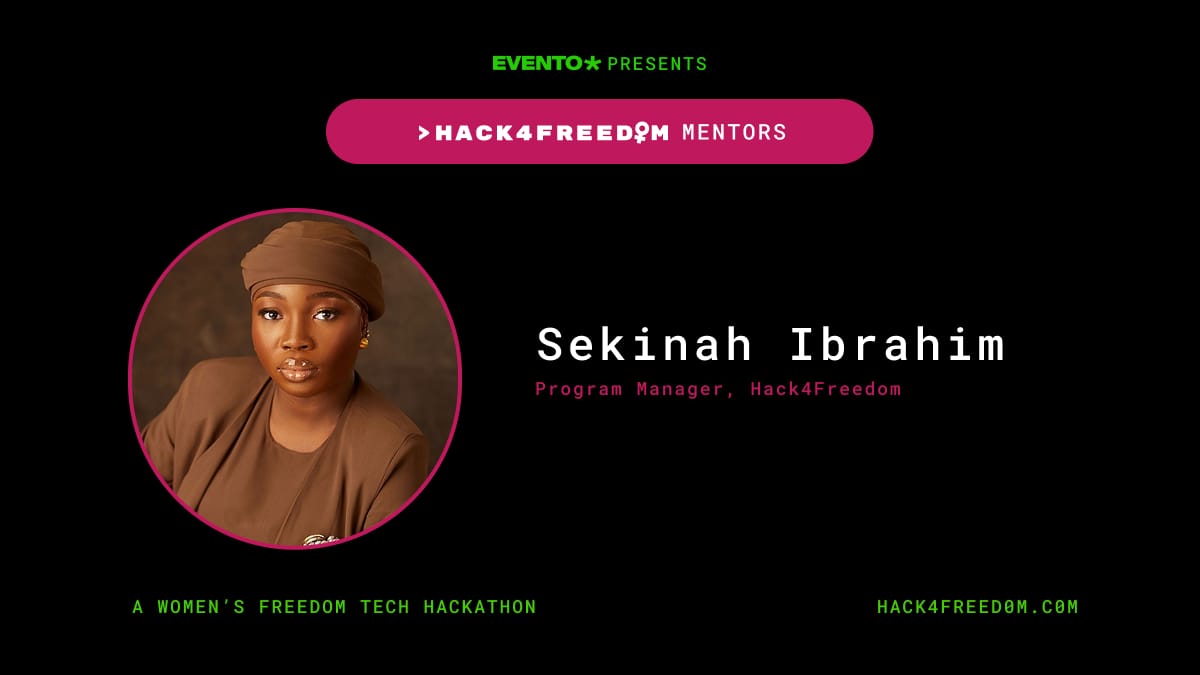
Sekinah Ibrahim opened the program by sharing her own journey of showing up to a technical stakeholders meeting as the only woman in the room, and how that discomfort became the starting point of growth.
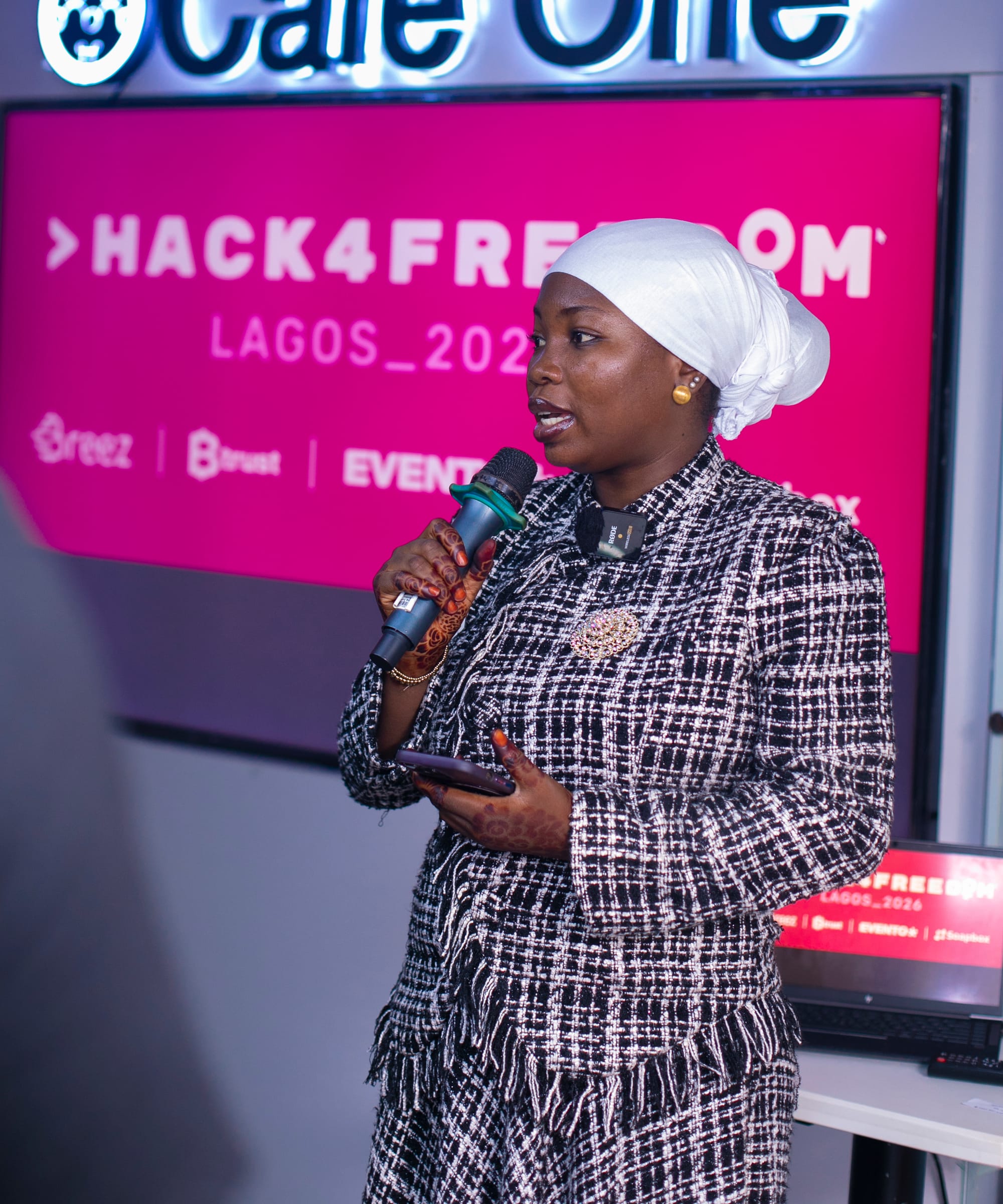
“We are using bitcoin, Lightning, Nostr, and open source to solve the problems we face in our local communities as women, and you will not remain the same person you are right now after these two weeks.”
Brianna Honkawa d’Estries, Founder, Hack4Freedom & Evento
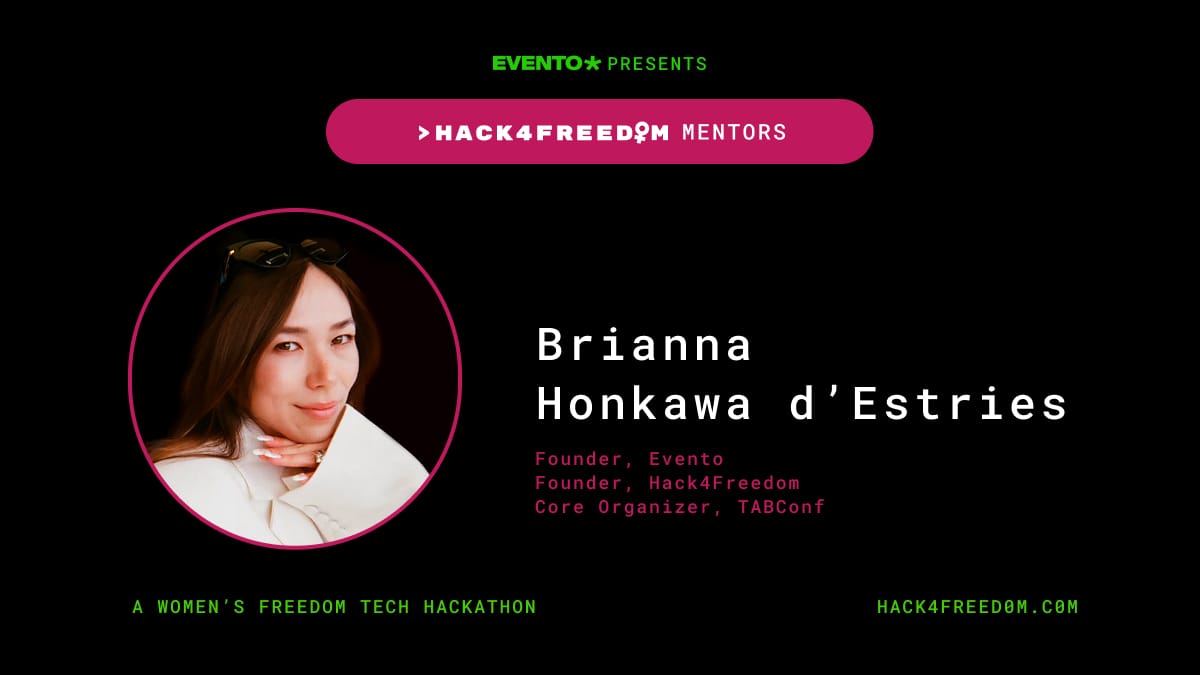
Brianna Honkawa d’Estries opened by honoring Sekinah’s work in bringing Hack4Freedom from Kaduna to Lagos, then reminded the cohort that every woman in the room deserved to be there. Her message was direct: Hack4Freedom exists because women should not have to wait for permission to become builders.
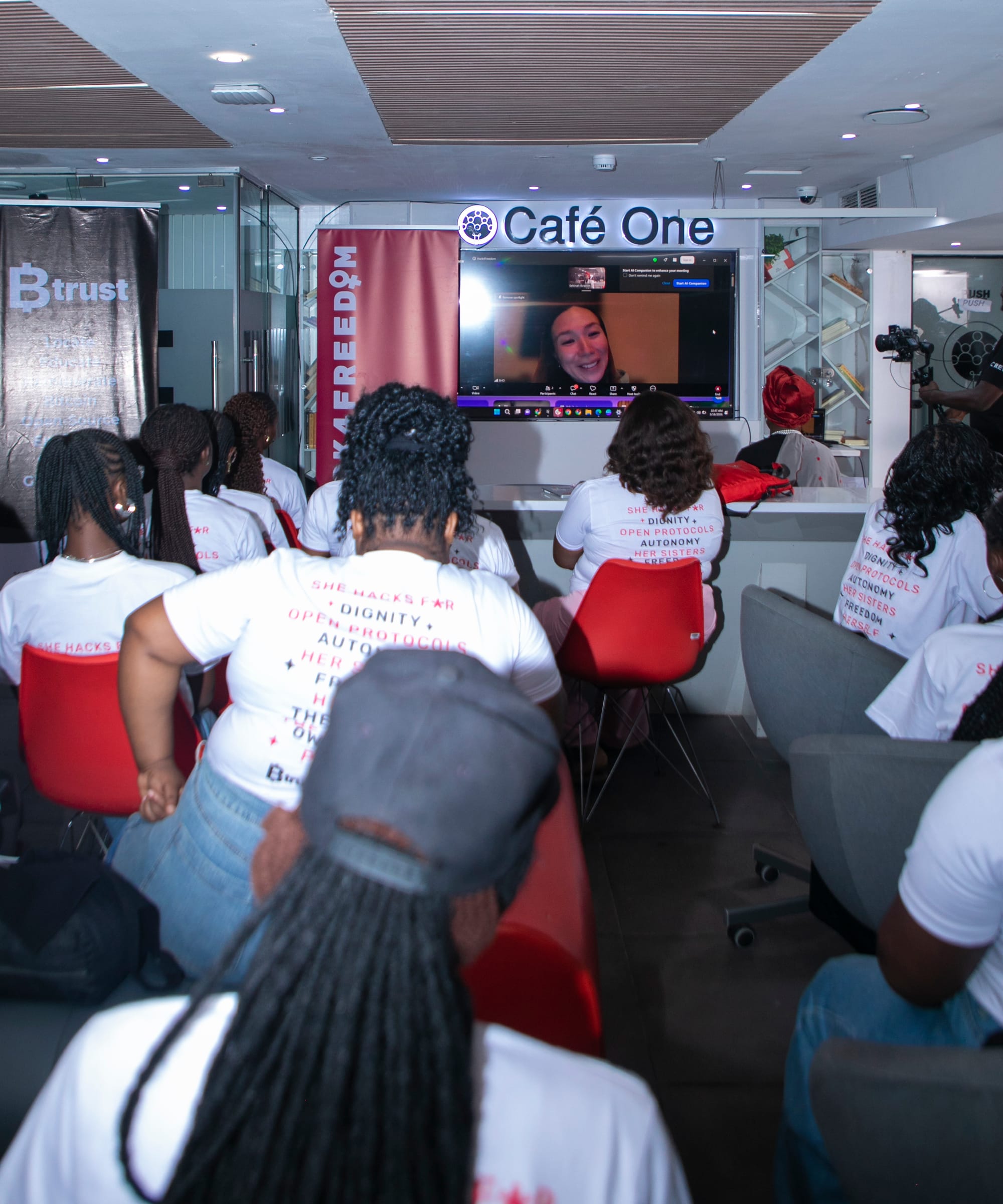
“We’re not going to change the world by playing it safe. We’re going to change the world by taking matters into our own hands.”
Halima Abba, Founder, What’s Haute with Halima
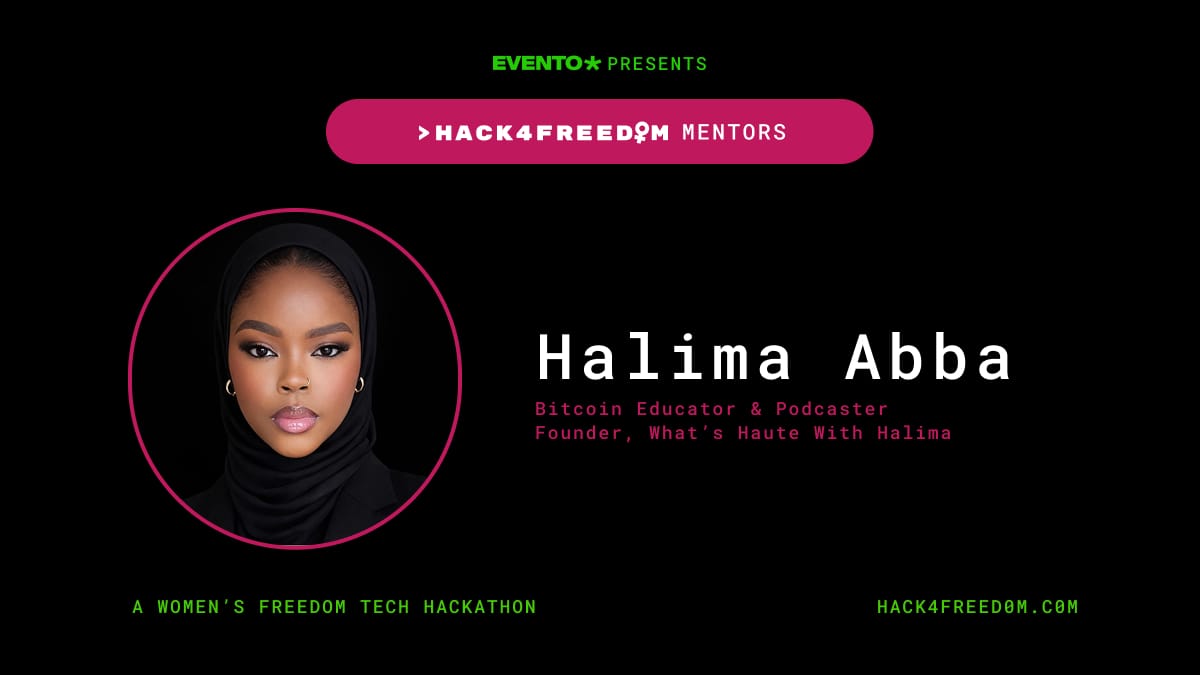
Halima Abba, bitcoin educator, podcaster, and founder of What’s Haute with Halima, gave the cohort three pieces of practical advice:
- Do not wait to feel ready. She told them that readiness is a myth. The women who would succeed in the hackathon were not the ones who knew the most on Day 1, but the ones who asked questions, broke things, and kept showing up.
- Bitcoin can be anything you want it to be. She encouraged them to let go of rigid definitions of what bitcoin is "supposed" to be used for. A savings tool? Yes. A payment rail? Yes. A way to coordinate collective action? Yes. She wanted them to stretch their imaginations beyond the obvious.
- Build for someone you know. She advised each hacker to picture a specific woman in their life – a mother, a sister, a neighbor, a market woman – and build the solution that would solve that woman's most urgent problem. This, she said, would keep their work grounded and meaningful.
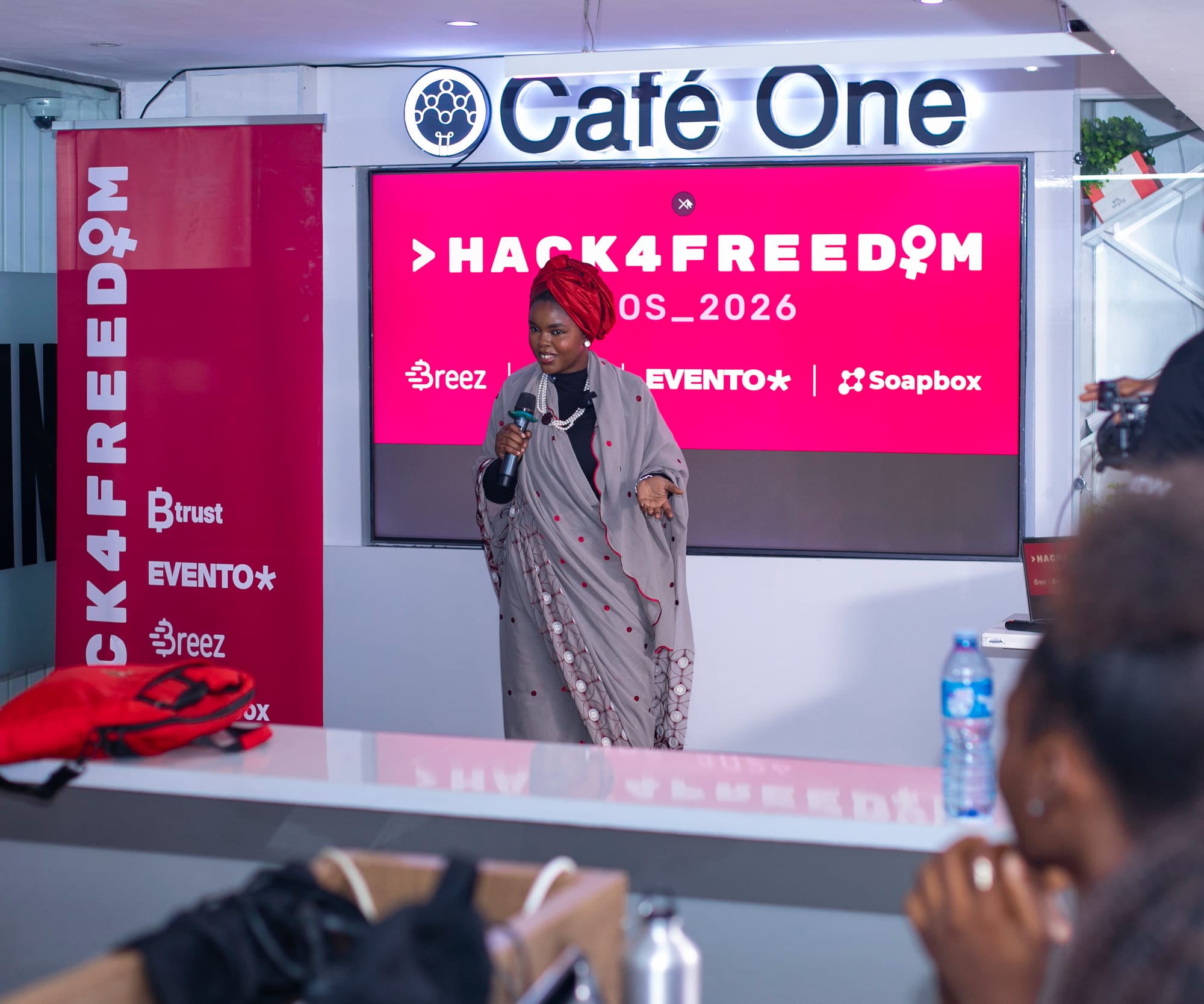
“What happens when you bring women builders together for freedom tech? Life-changing solutions will be built. You have the same opportunity as anyone else in the world through bitcoin. Bitcoin is anything you want it to be.”
Stephanie Titcombe, Head of Program and Operations, Btrust
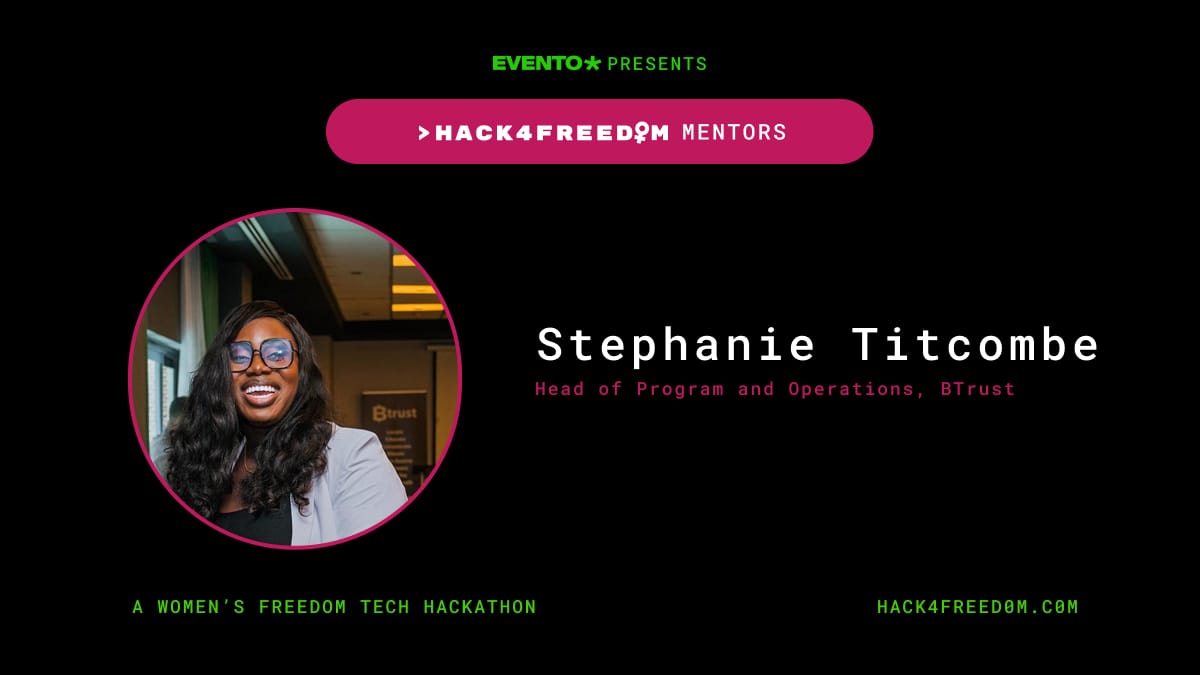
Stephanie Titcombe shared six lessons from her journey into bitcoin and technology:
- Say yes before you feel ready
- Build things nobody asked you to build
- Biggest opportunities come through people and community
- Consistency beats intensity
- Curiosity is a superpower
- Open source is a real career path for African women developers
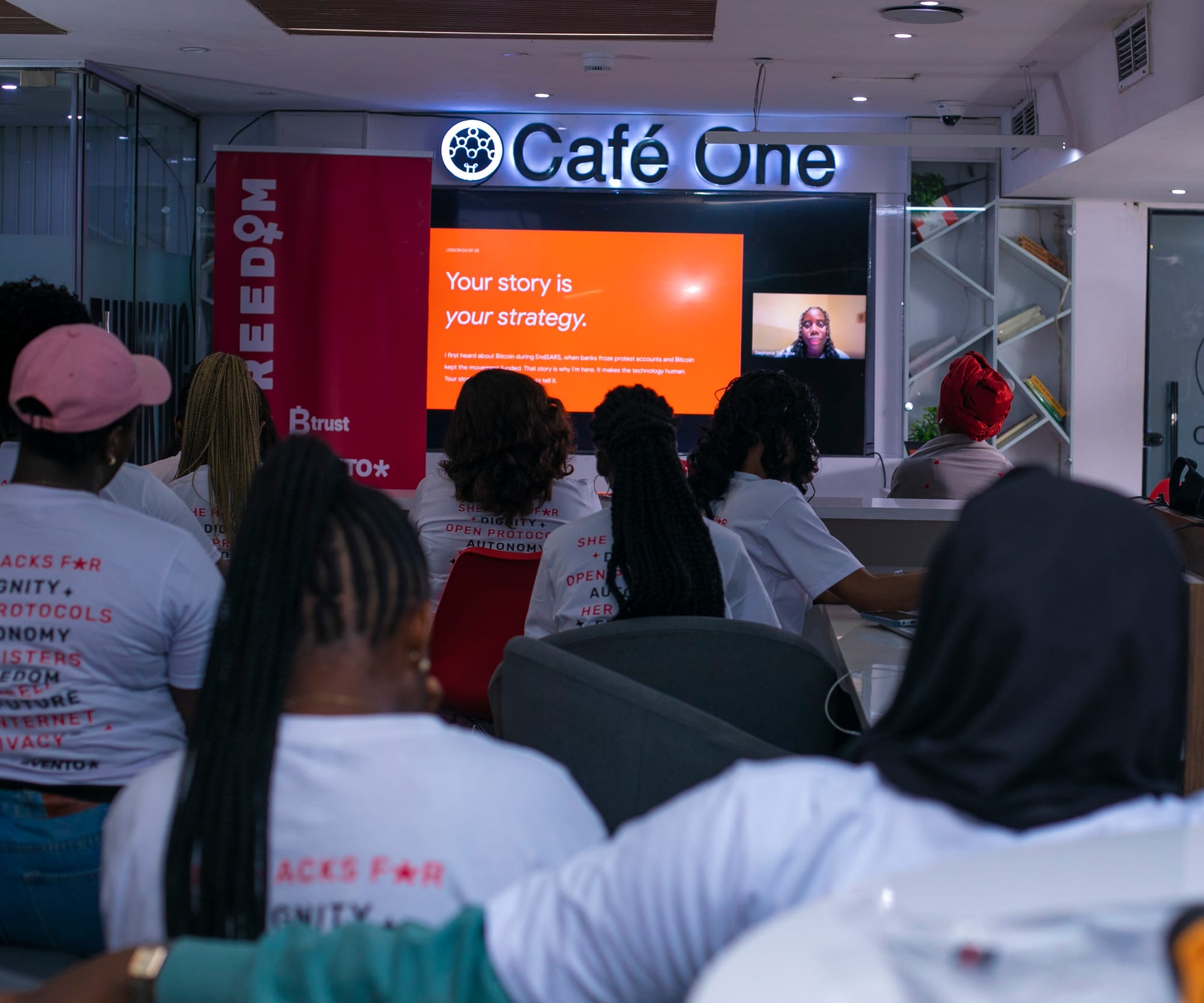
Stephanie explained that open-source contribution is not just a hobby. Small first contributions like documentation, testing, and “good first issues” can grow into grants, full-time roles, and leadership opportunities.
"Say yes before you are ready."
The Program: Sessions, Skills, and Builder Foundations
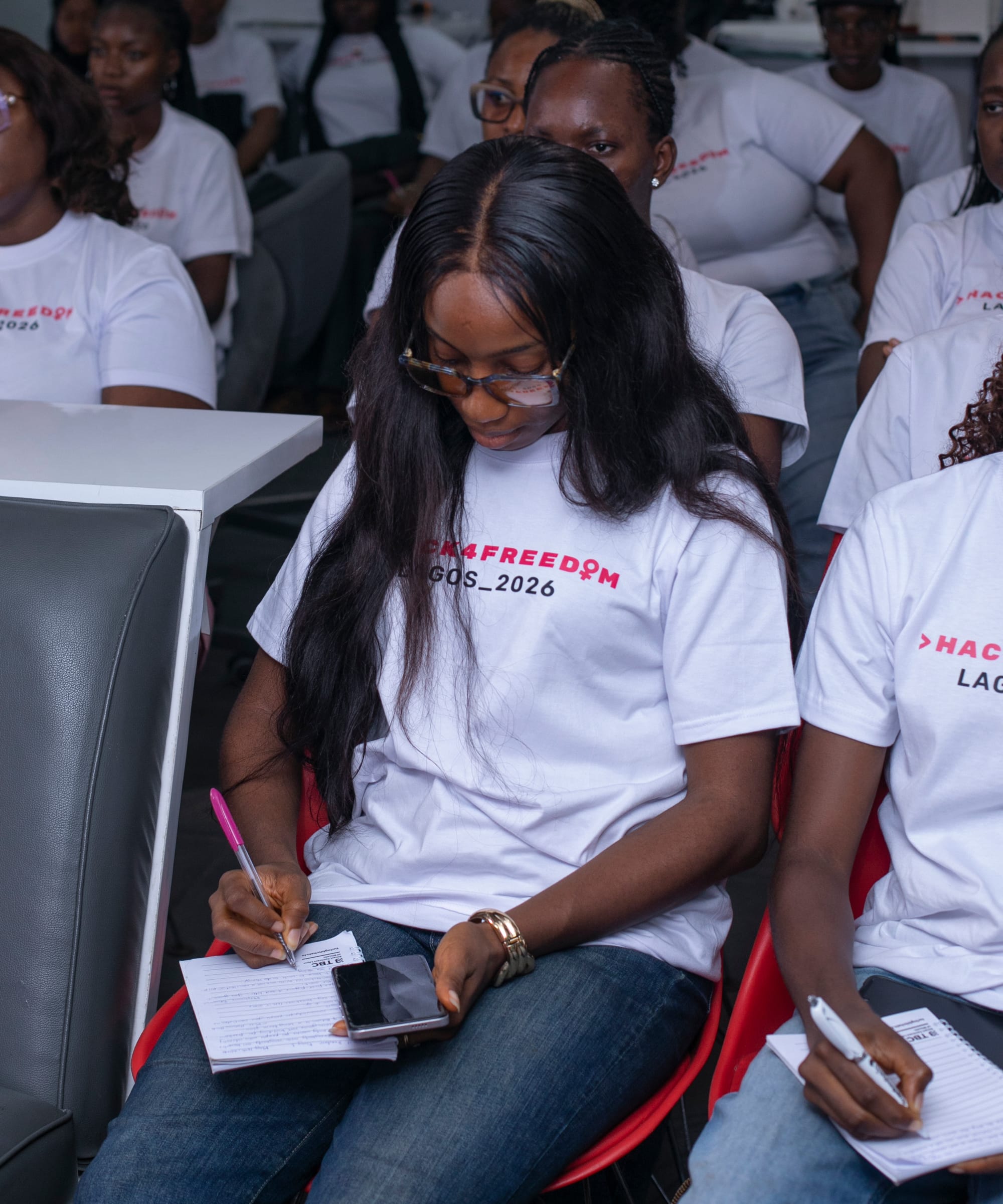
Before teams moved into project work, Hack4Freedom gave participants a practical foundation in the tools, ideas, and communities shaping bitcoin and freedom technology. The program was designed to make the stack feel usable, not abstract: product thinking, bitcoin, Lightning, Nostr, payments, design, security, open-source contribution, AI, and real-world implementation.
Across the bootcamp, 25 builders, designers, educators, founders, and open-source contributors led sessions that helped participants understand both what they could build and how to begin contributing. Those sessions became the foundation for team formation, public repos, working prototypes, and the projects presented on Demo Day.
They learned directly from:
- Stephanie Titcombe – Head of Program and Operations, Btrust
- Halima Abba – Founder, What's Haute with Halima
- EM – Head of Tech, Africa Bitcoiners
- Rita Anene – Software Engineer, Btrust Grantee
- Mary Kate Fain – Founder, Soapbox & 4WPub
- André Neves – Co-Founder, ZBD and Vinteum
- Satoshee – Lead Designer, Africa Bitcoiners
- Mubarak Aminu – Co-Founder, Tapnob
- Lorraine Marcel – Founder, BTC DADA
- Mogashni Naidoo – Co-Founder, Bitcoin Design Community
- Tuedon Tuoyo – Software Engineer, Bitcoin Dev Project
- Satsie – Co-Organizer, Boston BitDevs & Educator, Bitcoin Dev Project
- Sharon Nkatha – Backend and Bitcoin Developer, BTC DADA
- Jesse de Wit – Lightning Network Developer, Breez
- Eunice Jacob Gigi – Backend Developer, ipayBTC
- Aaliyah Junaid – Full-Stack Engineer, Hack4Freedom Alumna
- Wandia Mugo – Head of Operations, BTC DADA
- Adeyemi Matthew – Bitcoin Product Designer, Bitdesigners Africa
- Janet Maingi – Co-Founder, Gridless
- D++ – Bitcoin Educator, Software Engineer, and Lightning Evangelist
- Anaïse Kanimba – Director, Africa Bitcoin Institute
- Claire Parkinson – Chief of Staff, ZBD
- Kelvin Isievwore – Engineering Lead, Btrust
- Sabina Waithira – Co-Founder, Tando
- Arowolo Kehinde Olamilekan – Bitcoin Backend Developer
Rita Anene, Software Developer and Btrust Grantee
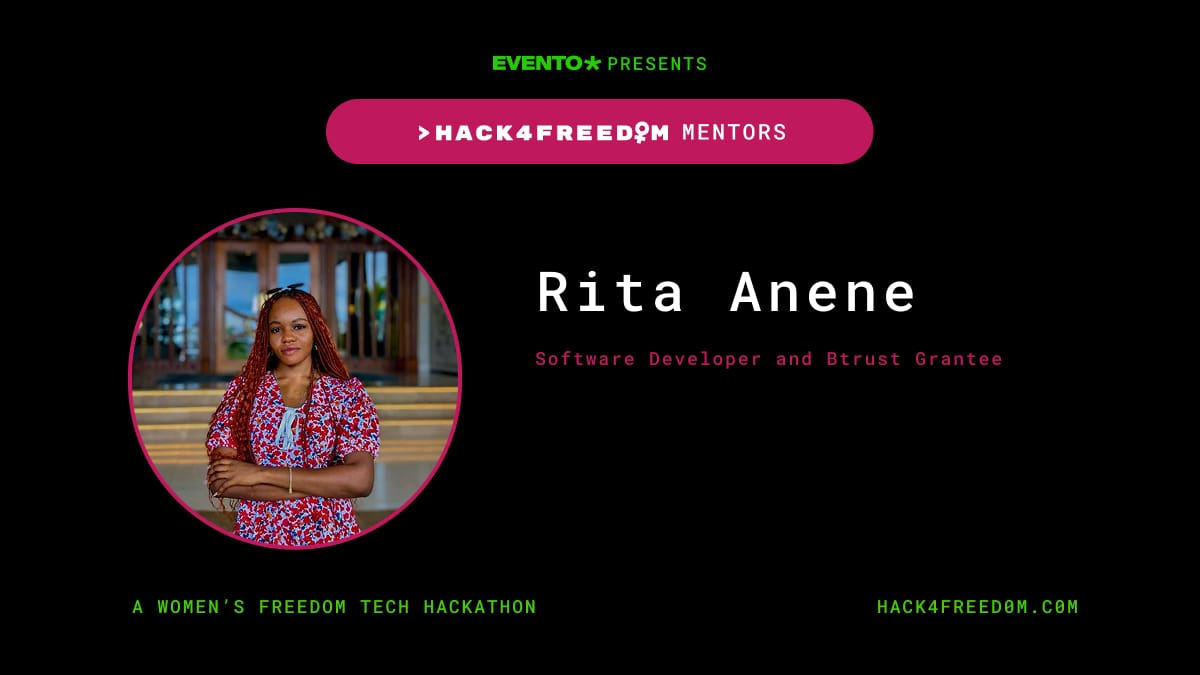
Rita led a two-day technical workshop after kickoff, giving participants a deeper look at how Lightning payments work under the hood.
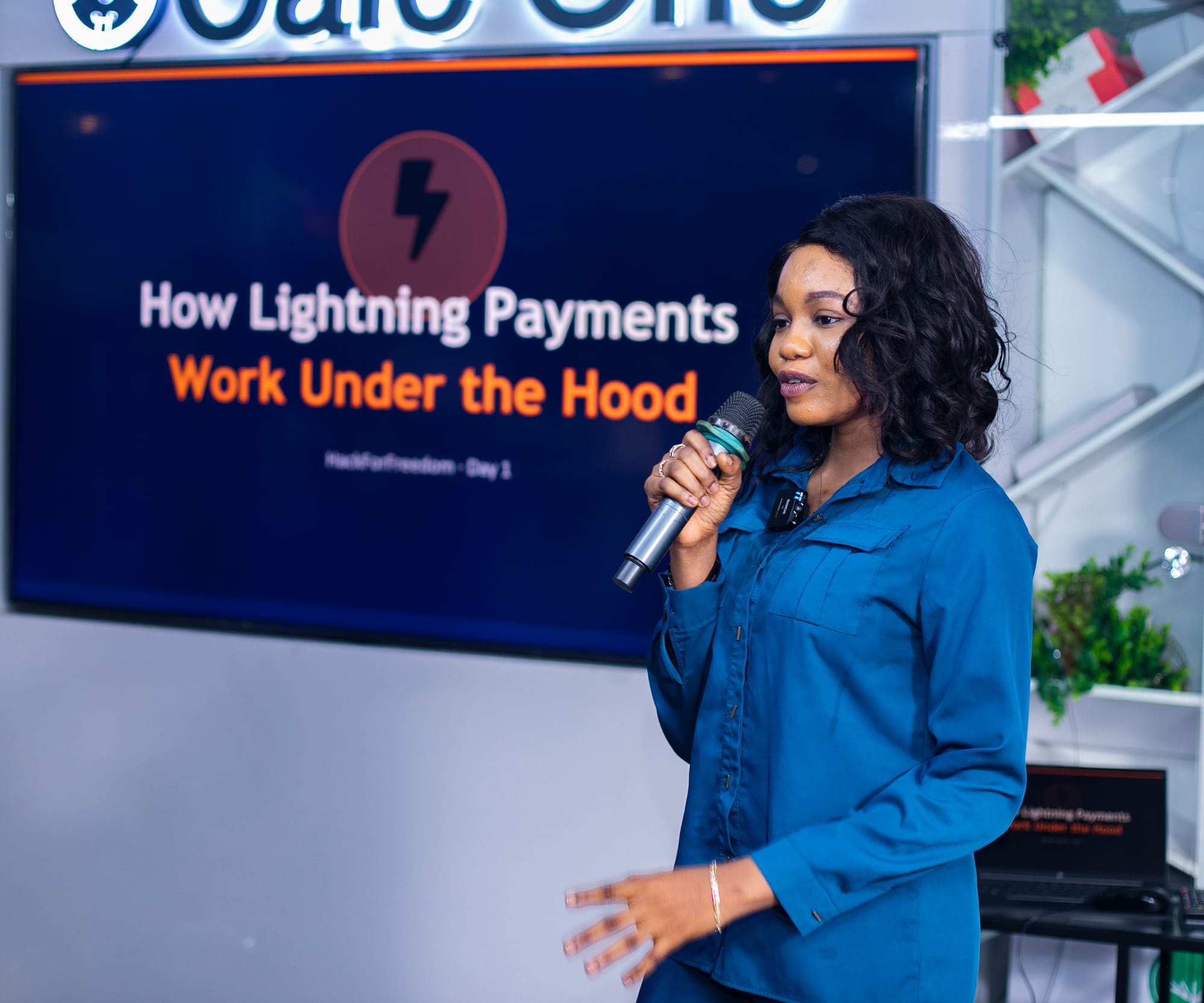
She covered payment channels, HTLCs, BOLT11 invoices, and pathfinding, helping the hackers understand the mechanics behind instant, low-cost bitcoin payments before they began building with Lightning tools.
Em, Head of Technology, Africa Bitcoiners
Em, Head of Technology at Africa Bitcoiners, pushed the cohort to begin with real user problems instead of forcing technology into places it does not belong.
She walked participants through what it means to build usable products in the bitcoin and freedom tech ecosystem, especially in environments shaped by mobile-first access, unreliable power, limited data, and real constraints.
Her message was direct:
“Start with the problem, not the technology.”
Mary Kate Fain, Founder of Soapbox and 4WPub
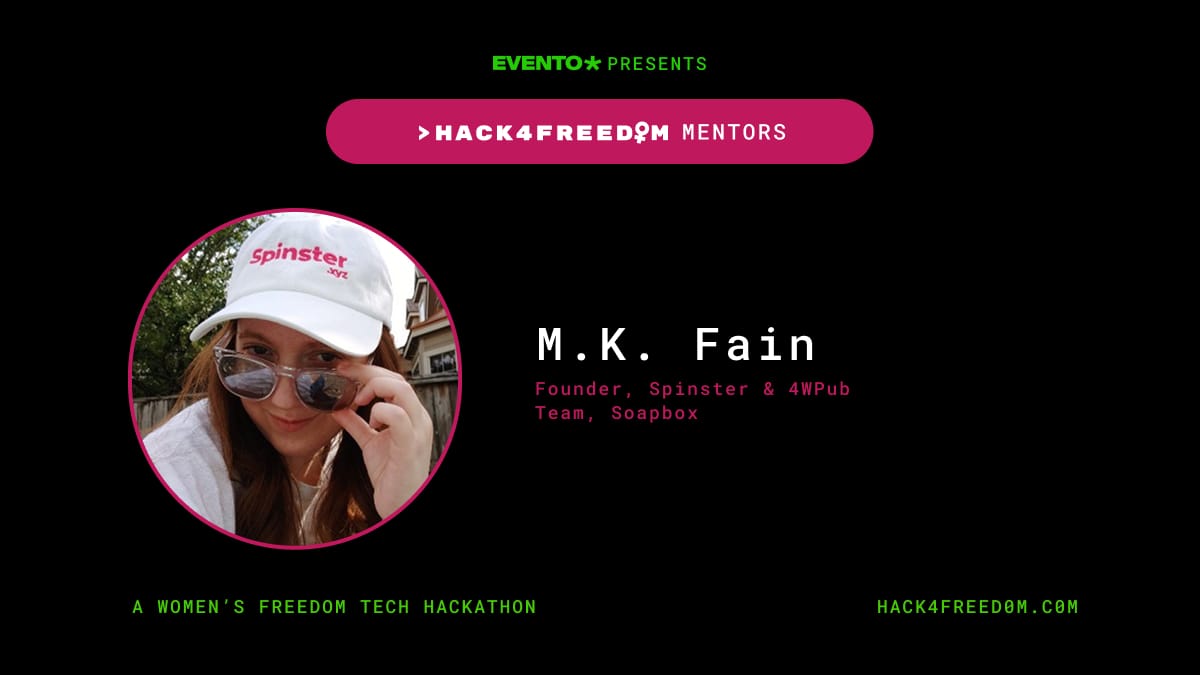
Mary Kate introduced the hackers to building Nostr applications with AI-assisted development tools.
Her session covered Shakespeare, an AI web builder that syncs with Git, OpenCode, a terminal-based AI development tool, and OpenRouter for model access.
By the end of the session, participants had a clearer picture of how open social protocols can support user-controlled identity, decentralized publishing, and applications that are not dependent on closed platforms.
André Neves, Co-Founder of ZBD and Vinteum
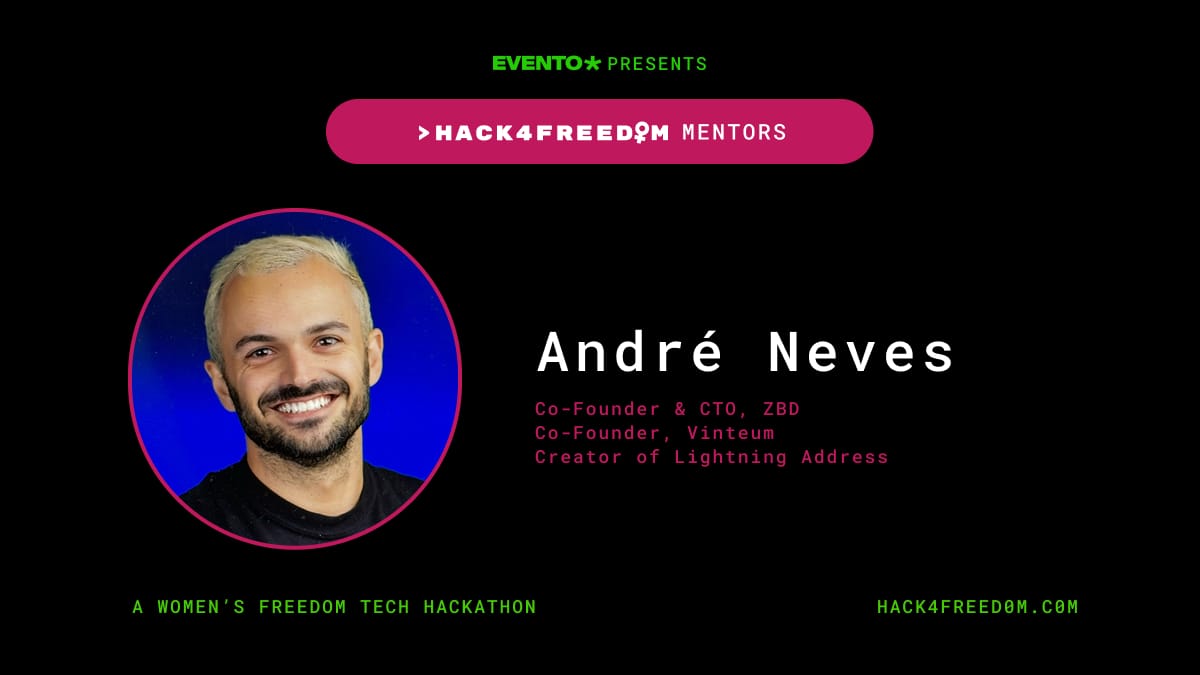
André broke down the Lightning Address protocol and showed how bitcoin payments can work through simple email-style addresses instead of complex QR codes.
He also demonstrated how AI agents can support development workflows by working in parallel to update codebases and review vulnerabilities.
Satoshee, Lead Designer, Africa Bitcoiners
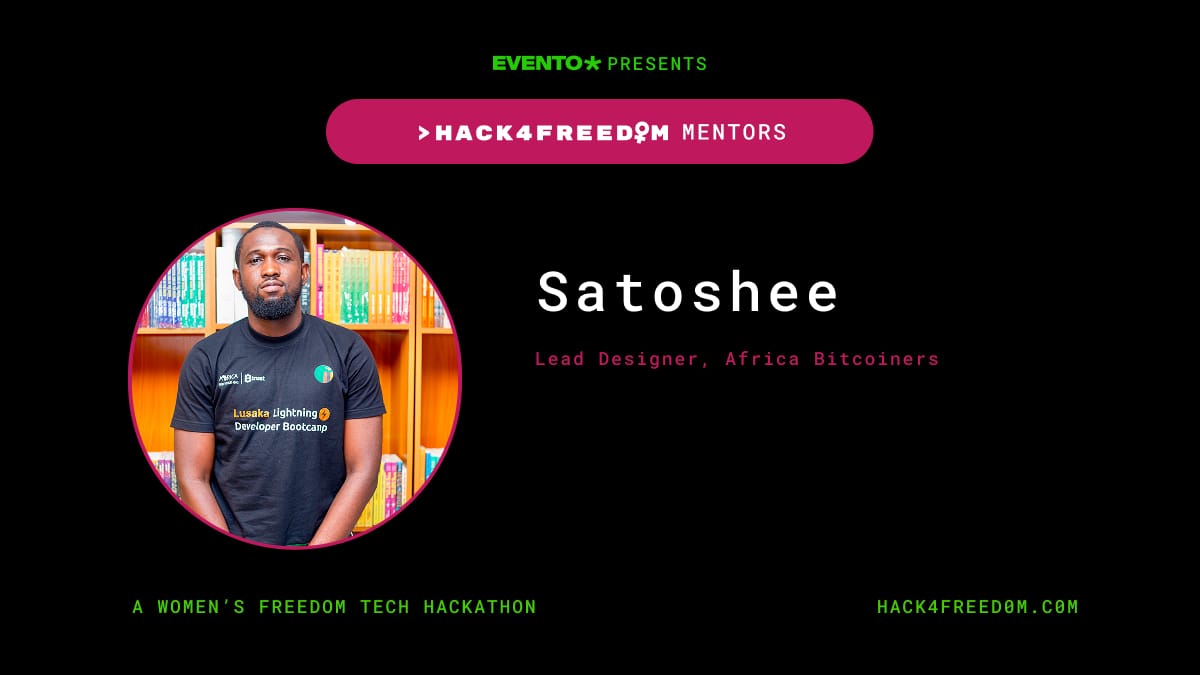
Satoshee led a design-focused session on bitcoin’s monetary design and why designers play a critical role in adoption.
He explained how inflation affects everyday savings, clarified that bitcoin is pseudonymous rather than anonymous, and showed how mood boarding and conceptual thinking can help teams build clearer, more trustworthy Bitcoin products.
Mubarak Muhammad Aminu, Co-Founder of Tapnob
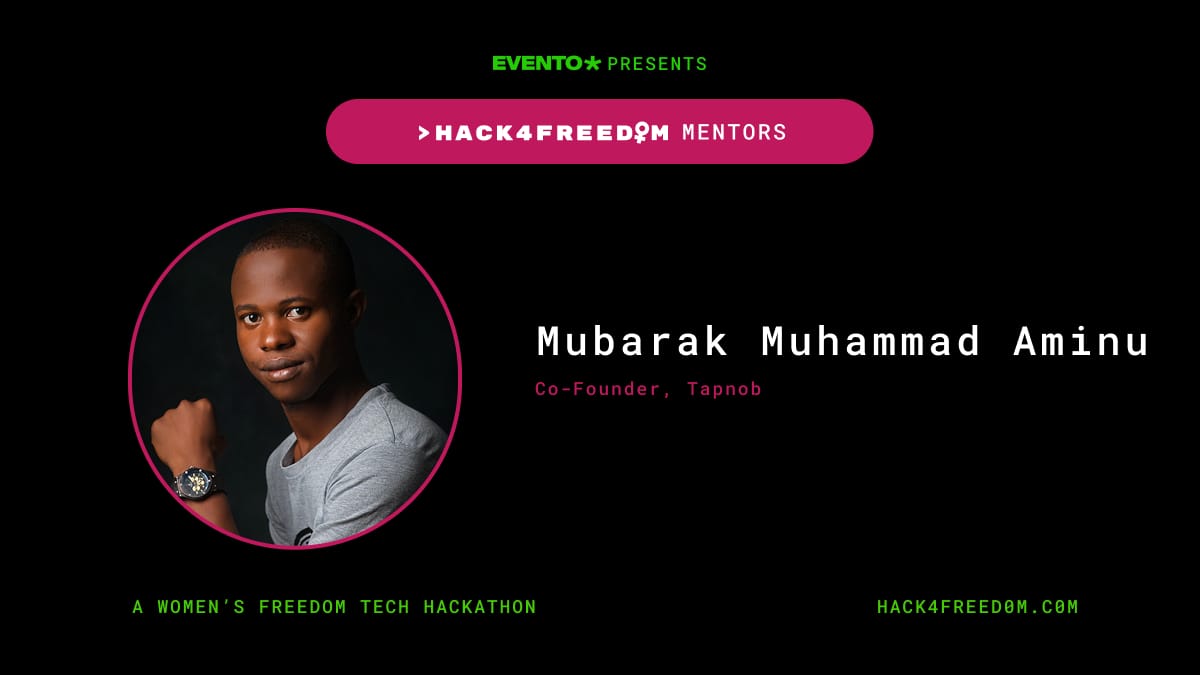
Mubarak led a session on bitcoin engineering and the practical choices involved in building on bitcoin.
He walked participants through why bitcoin is different from other networks, what makes the engineering stack unique, and how developers can think about SDKs, tooling, and real-world integration.
The session connected technical infrastructure to practical product decisions, giving teams a stronger foundation for building bitcoin-native applications.
Deep knowledge, real applications, and practical examples helped turn the protocol from an abstract concept into something the hackers could build with.
Mogashni Naidoo, Co-Founder, Bitcoin Design Community
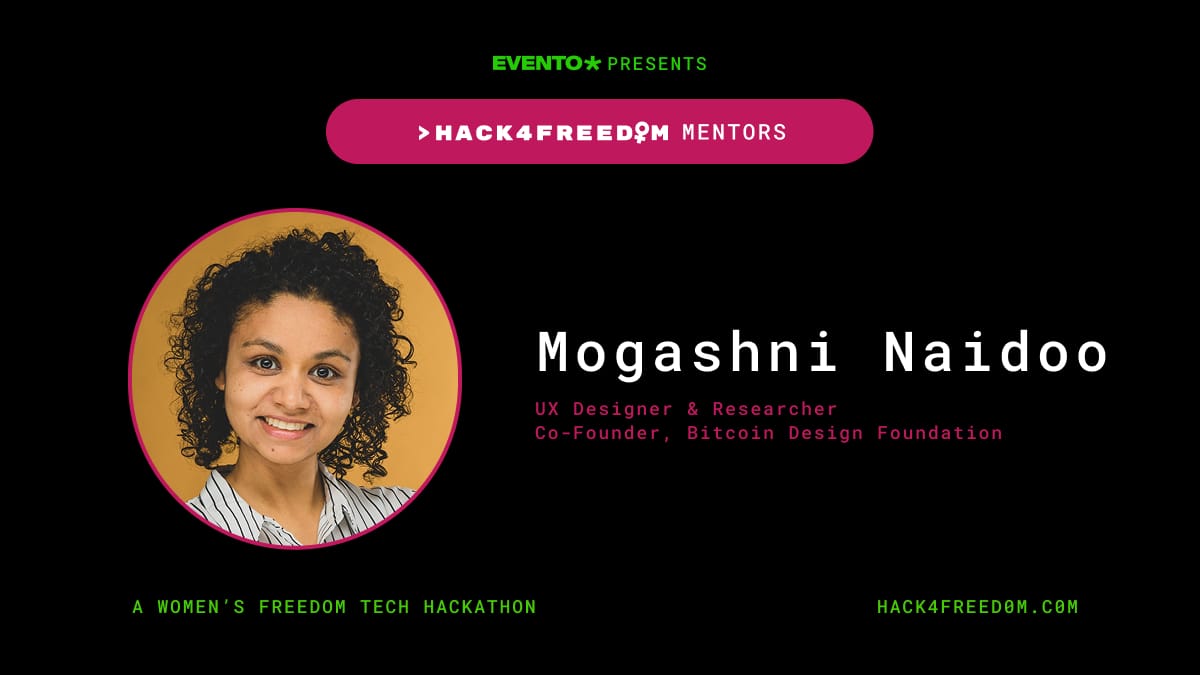
Mogashni led a session on user testing, AI, and faster feedback loops for building better bitcoin products.
She emphasized that teams should build for real users instead of assumptions, use AI tools to generate interview scripts and analyze transcripts faster, and apply the Jobs to Be Done framework to understand what users are actually struggling with.
Tuedon Tuoyo, Software Engineer, Bitcoin Dev Project
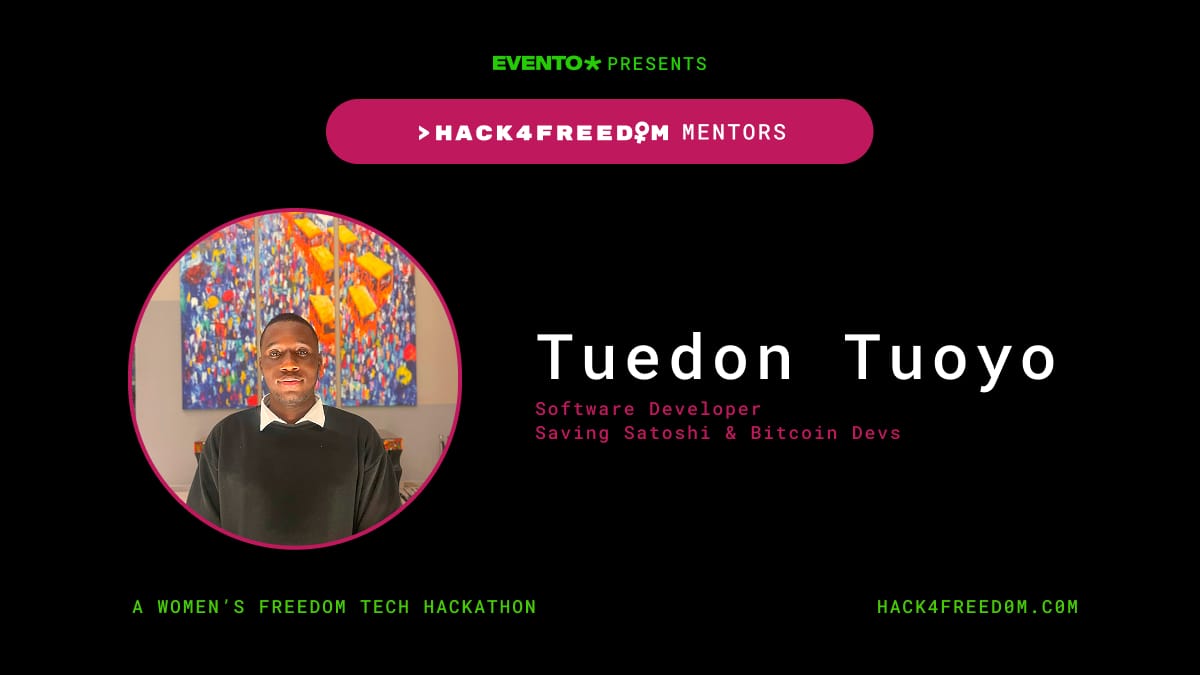
Tuedon led a hands-on session on the structure of bitcoin transactions.
She walked participants through decoding raw bitcoin transaction hex, understanding the fields inside a transaction, and reading real examples line by line.
It was the kind of practical, low-level technical session that helps participants move from watching bitcoin work to understanding how it works.
Satsie, Co-Organizer of Boston BitDevs and Open Source Developer and Educator, Bitcoin Dev Project
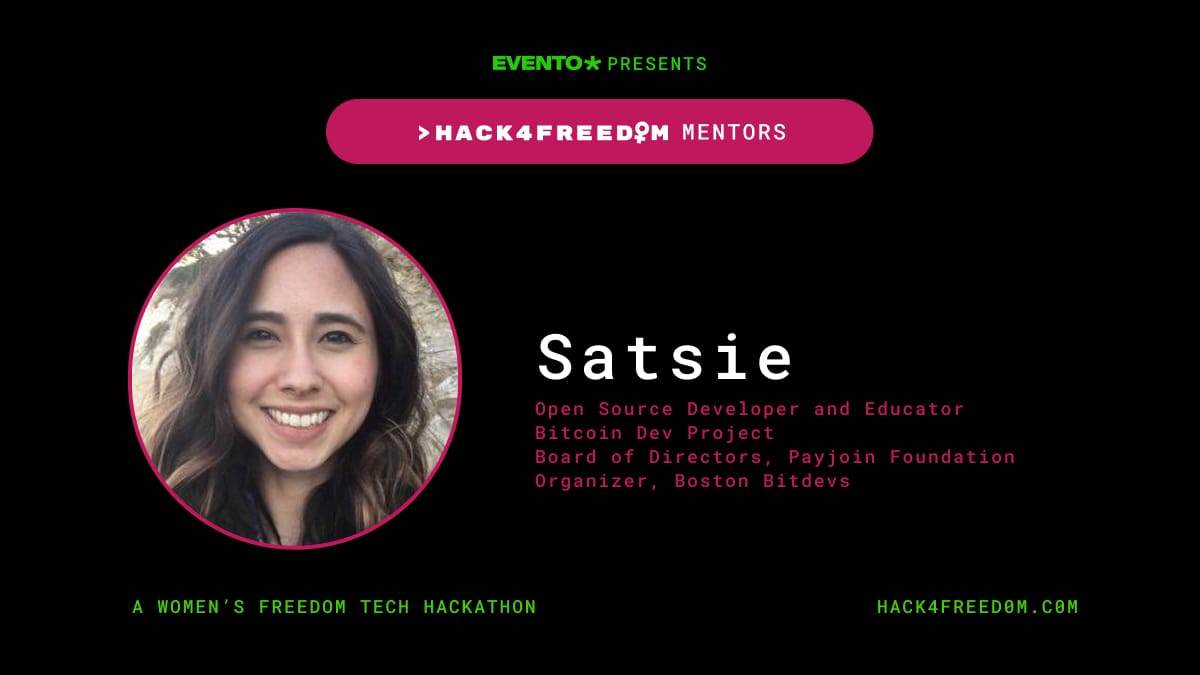
Satsie led a session on quantum resistance and bitcoin security.
She explained why ECDSA signatures are vulnerable to Shor’s algorithm, how hash-based Lamport signatures can resist quantum attacks, and why transaction pinning and proof-of-work make attacks expensive.
The session gave participants a future-facing view of bitcoin security and the kinds of technical questions open-source contributors are already working through.
Sharon Nkatha, Backend and Bitcoin Developer and BTC Dada Alumna
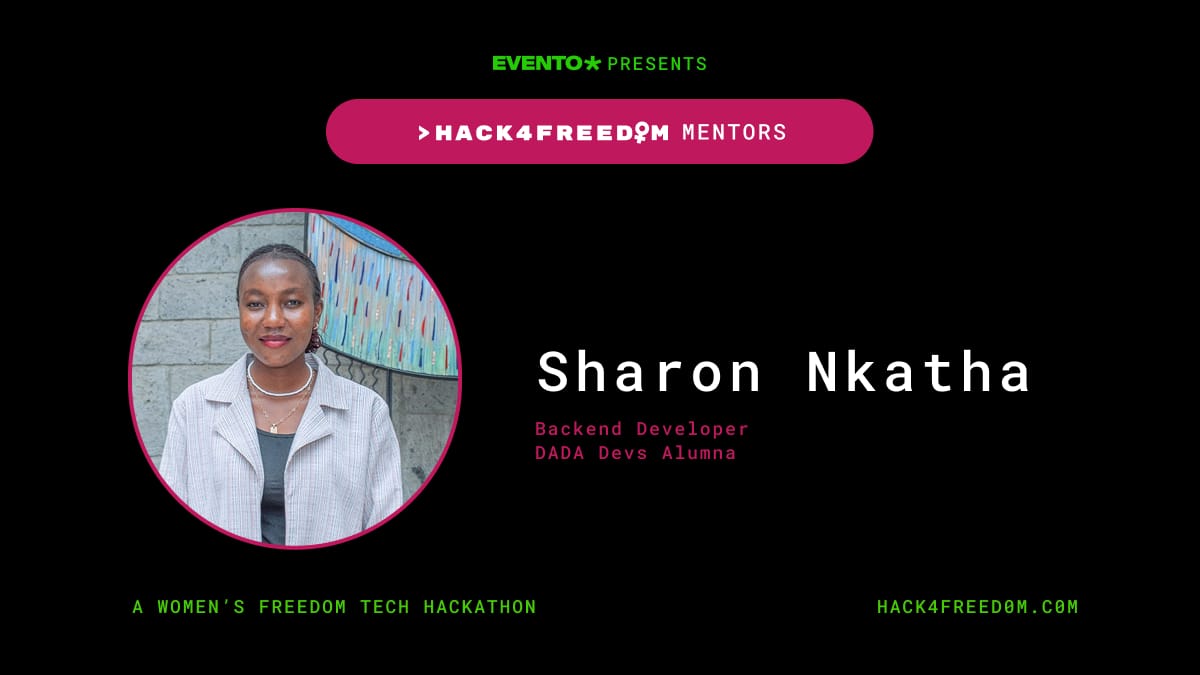
Sharon led a practical session on making a first open-source contribution.
She showed participants how to fork a repository, make a pull request, respond to reviews, and understand why even small contributions matter.
Her message was simple: you do not need to be a senior engineer to contribute. You just need to start.
Jesse de Wit, Lightning Network Developer, Breez
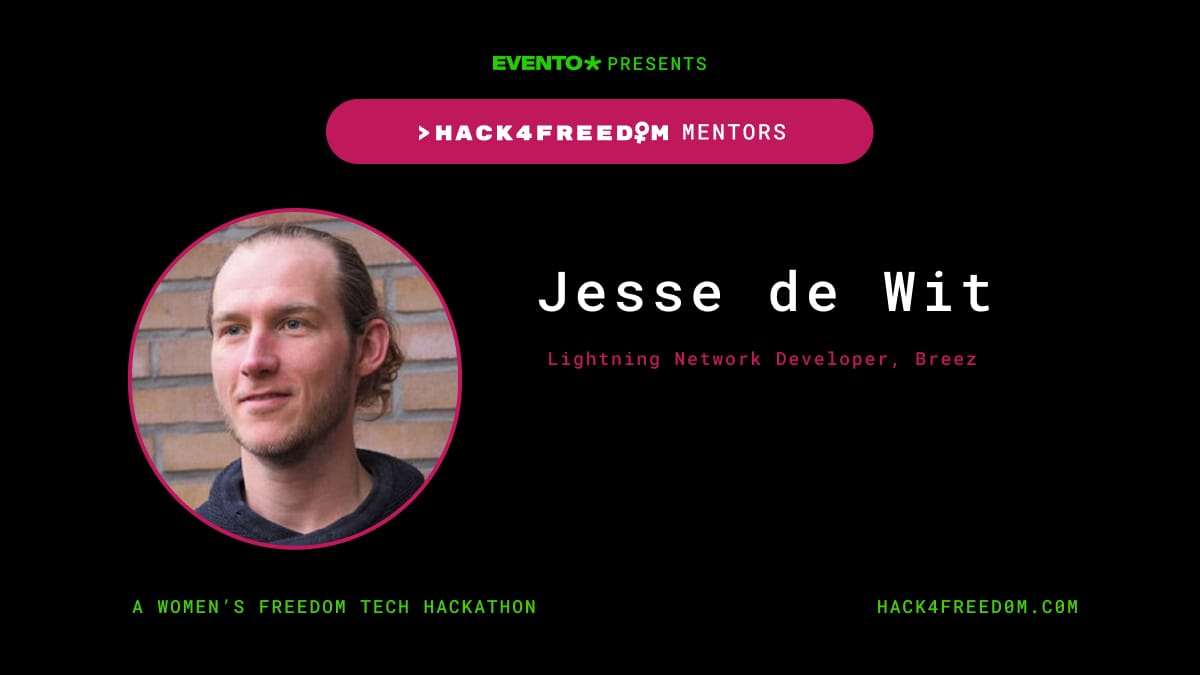
Jesse led a deep dive into the Breez SDK, a non-custodial bitcoin payment layer.
He covered fast transaction flows, simple APIs that abstract away bitcoin complexity, self-custody, and the importance of reviewing AI-assisted code carefully.
The session helped teams understand how to make bitcoin payments easier to build into real applications.
Eunice Jacob Gigi, Backend Developer, IpayBTC
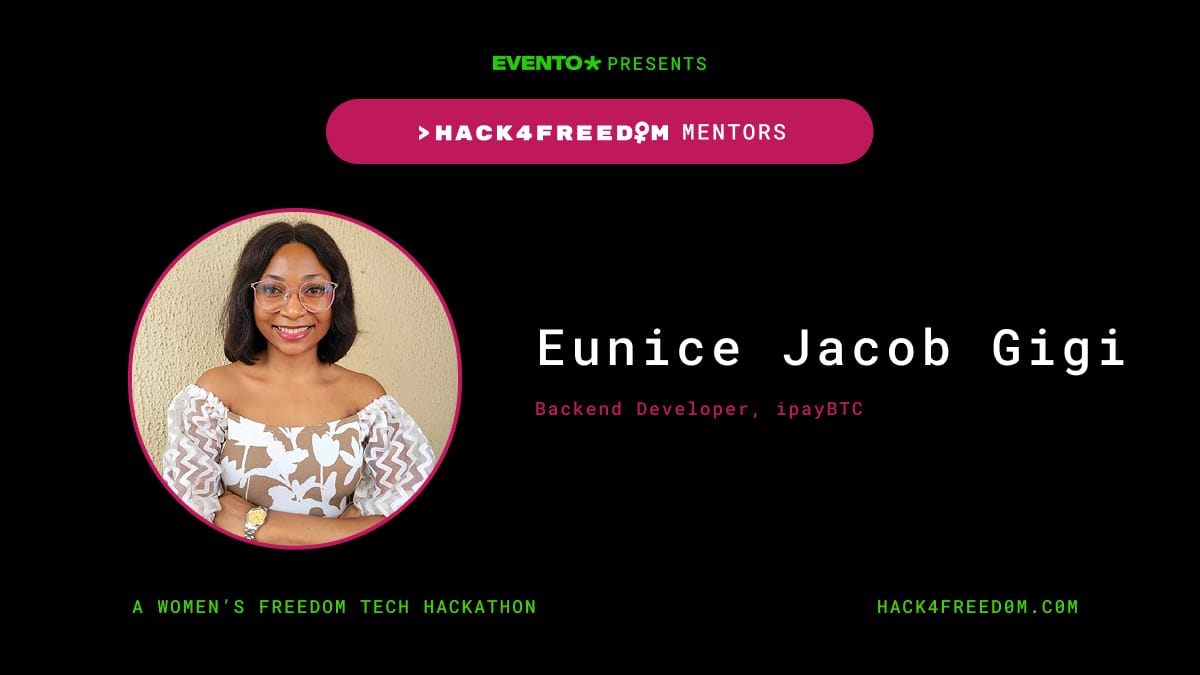
Eunice led a session on Lightning Network infrastructure built for African use cases.
She covered instant cross-border payments, channel liquidity, multi-hop payments, the Blynk API, and a live demo of a microlending app powered by Lightning.
Kelvin Isievwore, Engineering Lead, Btrust
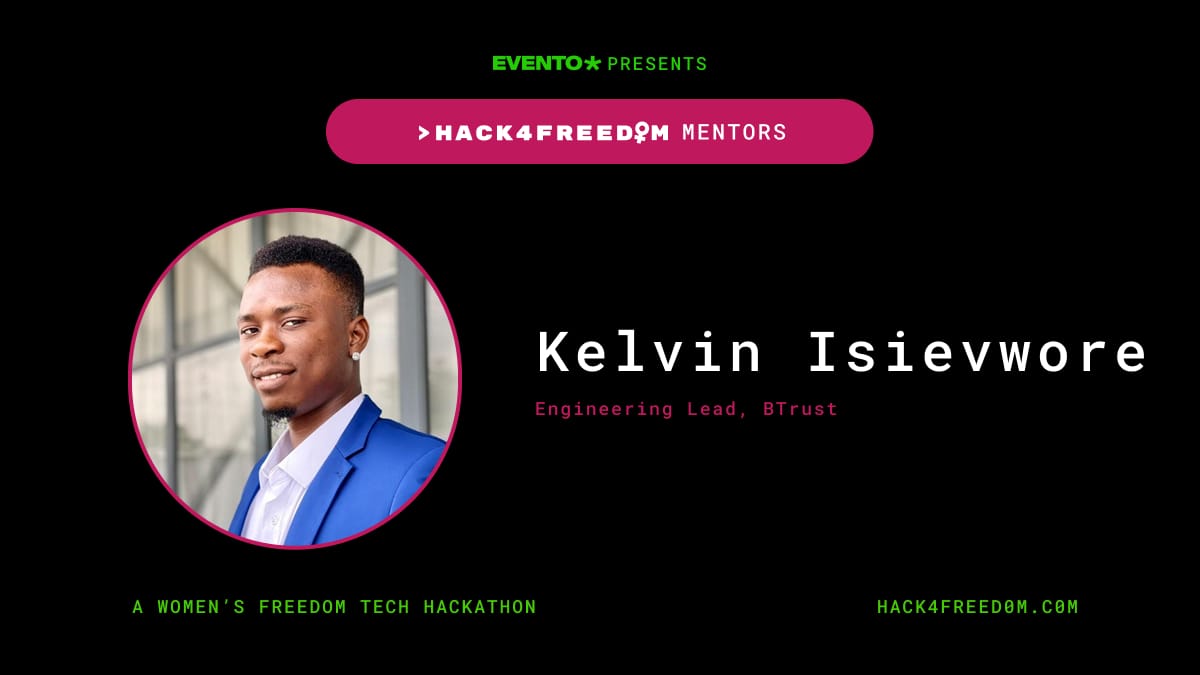
Kelvin led a masterclass on open-source contribution workflows.
He walked participants through the full cycle of forking, branching, committing, opening pull requests, responding to reviews, and merging code. He also clarified the difference between Git and GitHub and explained why CI/CD checks matter.
His message was that open source is a public portfolio. Every contribution becomes part of a builder’s visible body of work.
Aaliyah Junaid, Full-Stack Engineer, Hack4Freedom Alumna, and Bitcoin Contributor
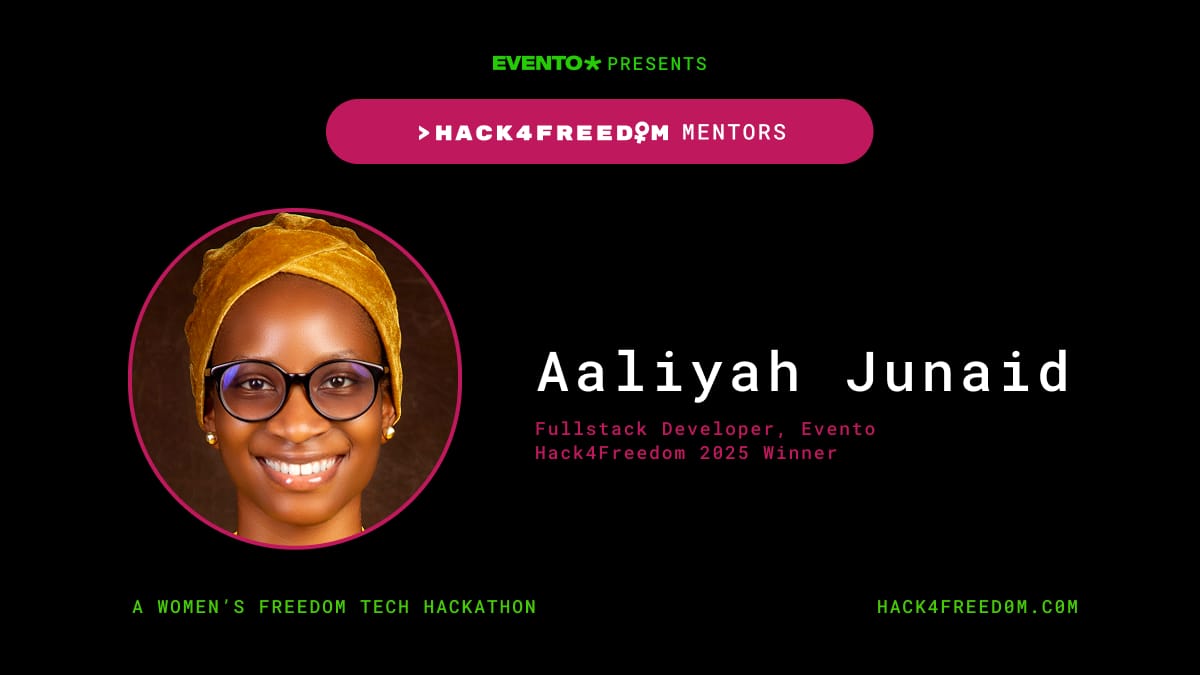
Aaliyah returned as a Hack4Freedom alumna & 1st place winner from Kaduna to share practical advice on how to approach the hackathon and build a strong proof of concept.
She encouraged teams to focus on one core feature, use mentors as shortcuts to solve problems faster, and build publicly by sharing screenshots, diagrams, and progress updates.
Her session framed the hackathon as more than a competition. It was a launchpad for a bitcoin career.
Adeyemi Matthew, Bitcoin Product Designer, Bitdesigners Africa
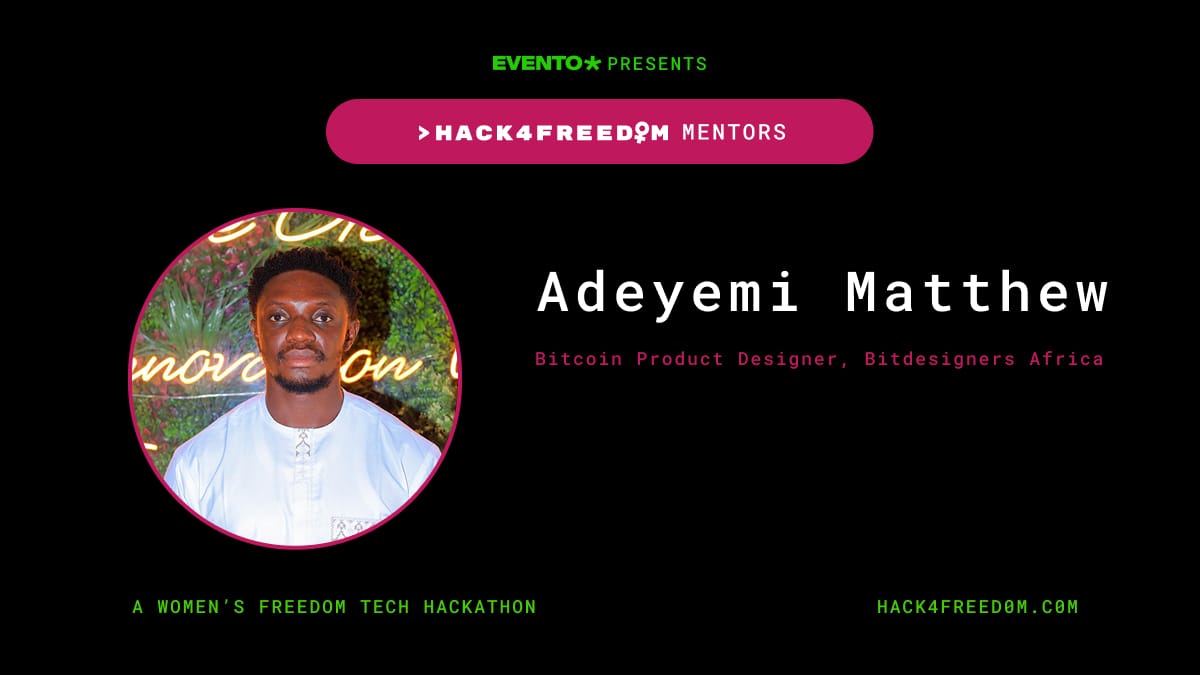
Adeyemi led a session on the design barriers that often prevent people from adopting bitcoin tools.
He covered common user fears around seed phrases, addresses, fees, and transaction confusion, then introduced design principles like plain language, protective defaults, progressive disclosure, recovery, and transparency.
His session made the case that human-centered design is not optional in bitcoin. It is part of safety, adoption, and trust.
Lorraine Marcel, Founder, BTC DADA
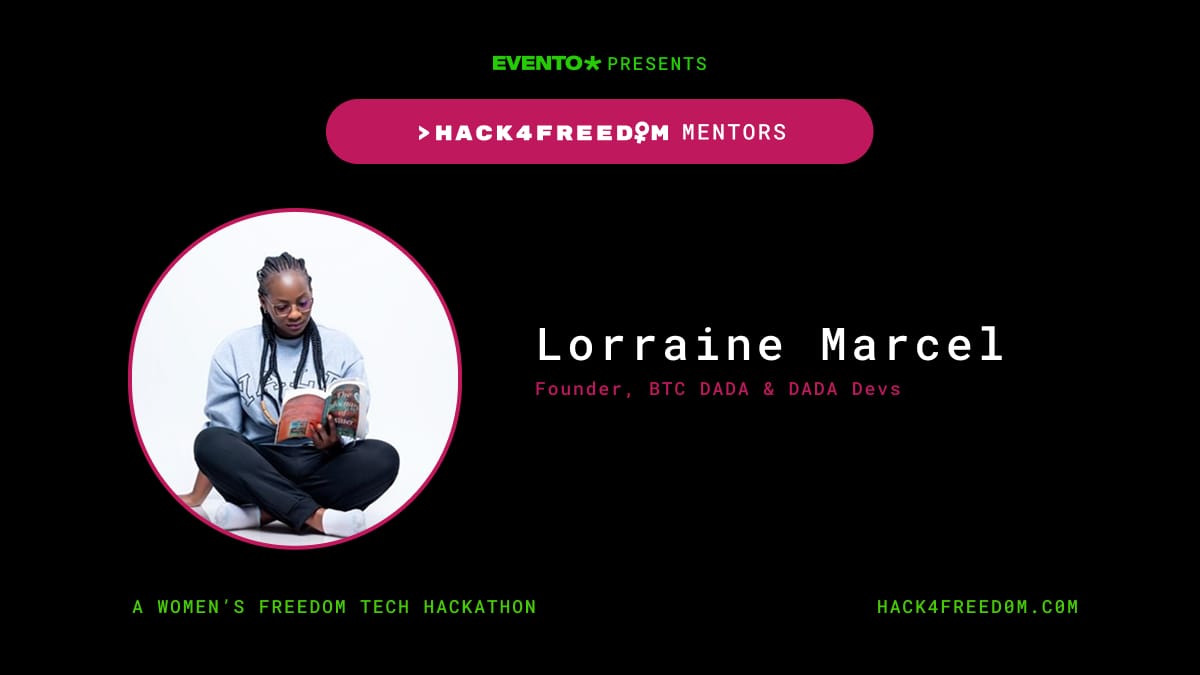
Lorraine led a session on financial freedom, ownership, and why African women must build bitcoin tools, not just use them.
She connected financial freedom to ownership, dignity, domestic safety, and generational wealth, while urging participants to shift from consumers to builders of bitcoin infrastructure.
Her message: do not just fill seats. Build the table.
Sabina Waithira Gitau, Co-Founder, Tando
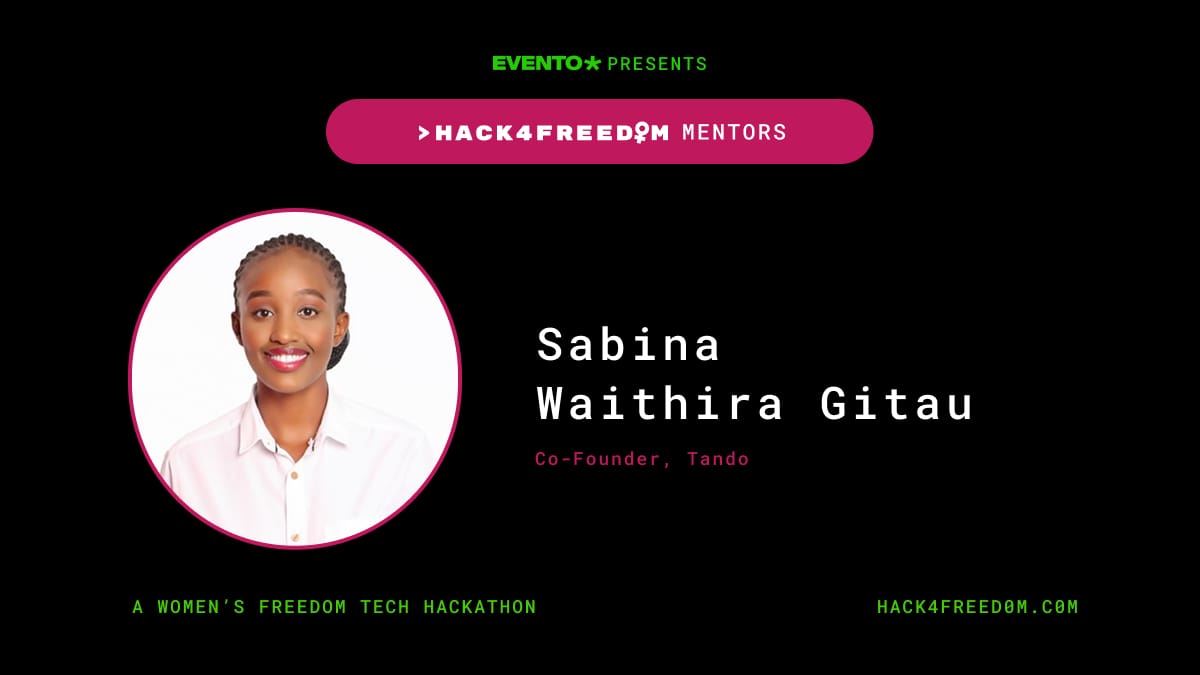
Sabina led a session on building real bitcoin products for real African users.
She explained how Tando solved a practical problem in Kenya by making bitcoin spendable through familiar rails, integrating Lightning with M-PESA, and hiding unnecessary complexity from merchants and users.
Her core advice was to build for your neighbor, not for Silicon Valley.
Claire Parkinson, Chief of Staff, ZBD
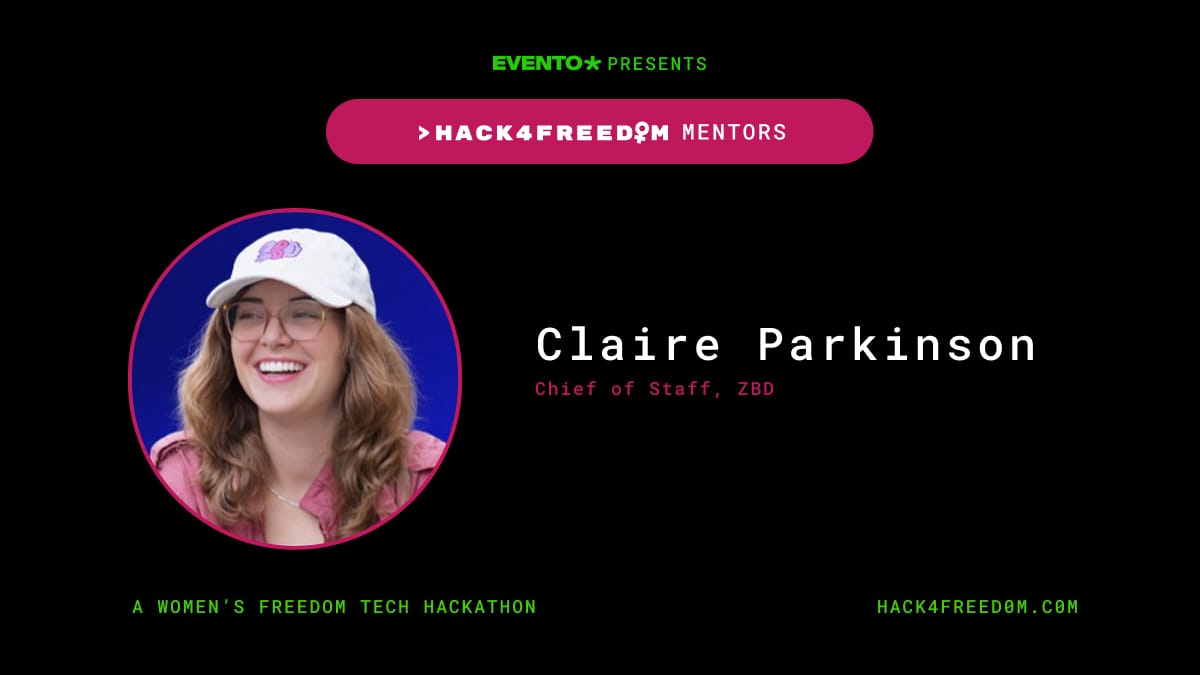
Claire led a session on setting clear goals from day one.
She walked teams through the core questions every project needs to answer before writing a single line of code: What problem are we solving? What does success look like? What is a must-have versus a nice-to-have?
Her guidance helped teams connect planning to execution and make better product decisions under time pressure.
Anaïse Kanimba, Director, Africa Bitcoin Institute
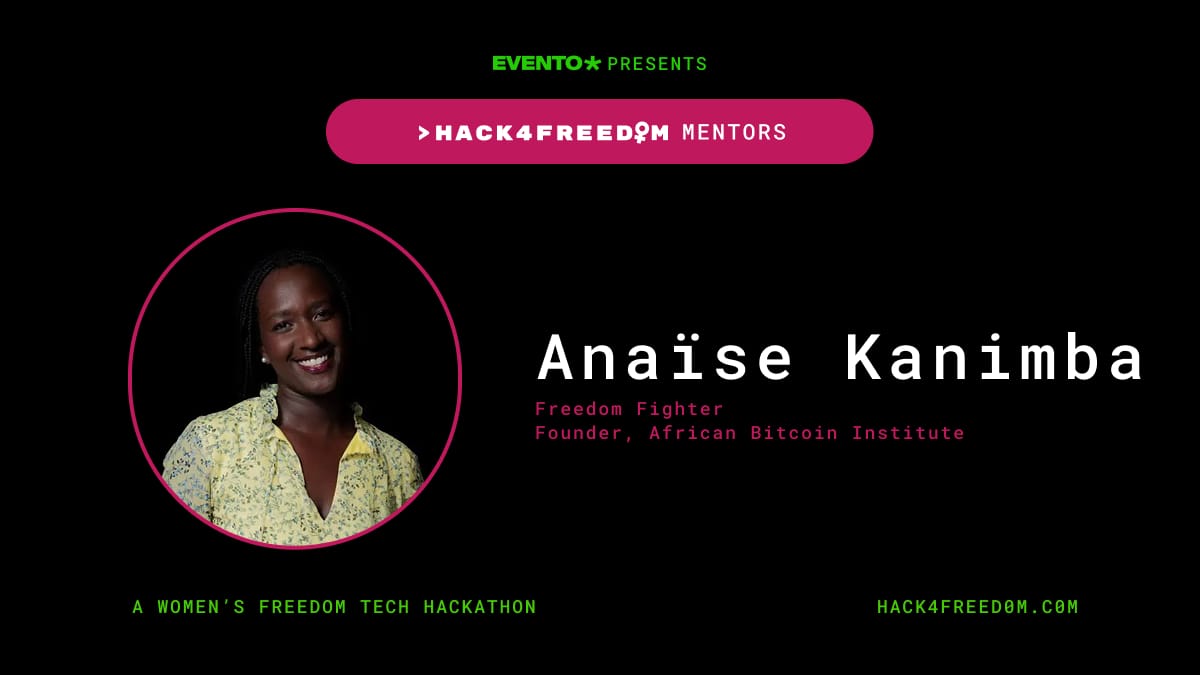
Anaïse explained that financial freedom is not abstract for activists. For many, it is survival.
She connected bitcoin to the realities faced by activists: frozen accounts, government surveillance, banking exclusion, high remittance costs, and limited access to financial tools. She also introduced Fedi as a practical example of freedom technology, combining federated wallets, encrypted group communication, and user-friendly recovery in a way that can support people operating under pressure.
Freedom technology isn't a luxury. It's a lifeline.
D++, Bitcoin Educator, Software Engineer, and Lightning Evangelist
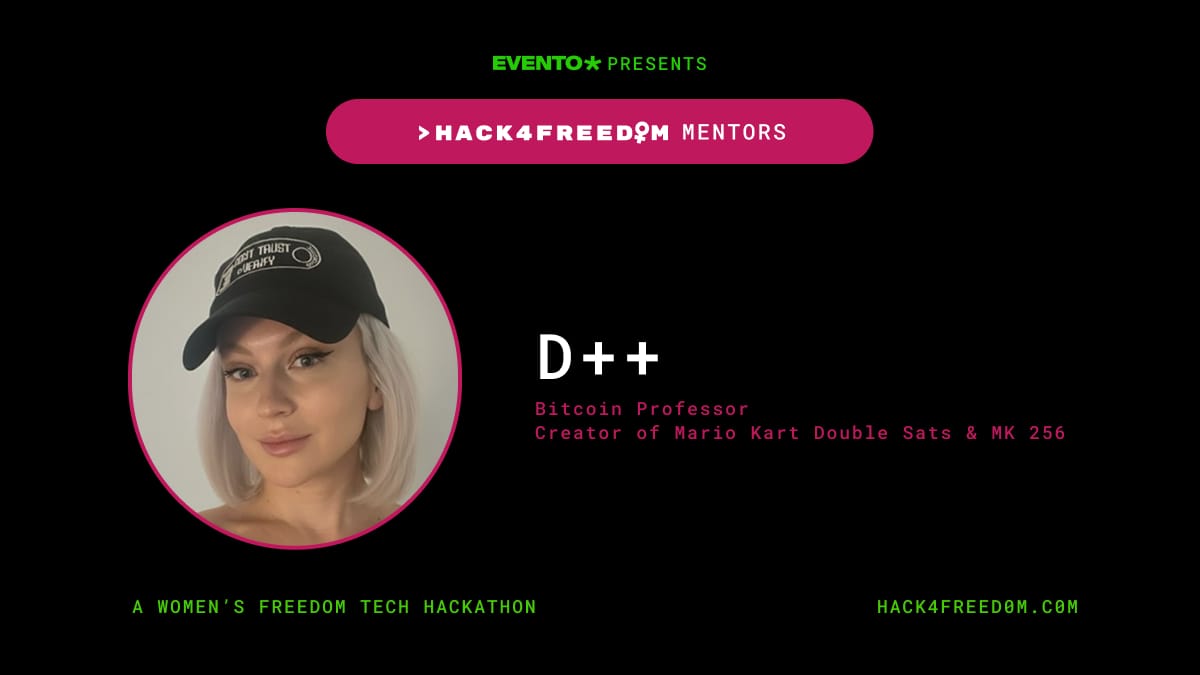
D++ led a session on bitcoin-powered games, Lightning education, and how play can make bitcoin feel intuitive instead of intimidating.
Gamification + bitcoin = education that actually works.
She used MK64++ as a case study in playful bitcoin onboarding: players earn sats while racing, Lightning Addresses make instant micropayments possible during gameplay, and the experience helps people trust bitcoin by using it before they overthink it.
Wandia Mugo, Head of Operations, BTC DADA
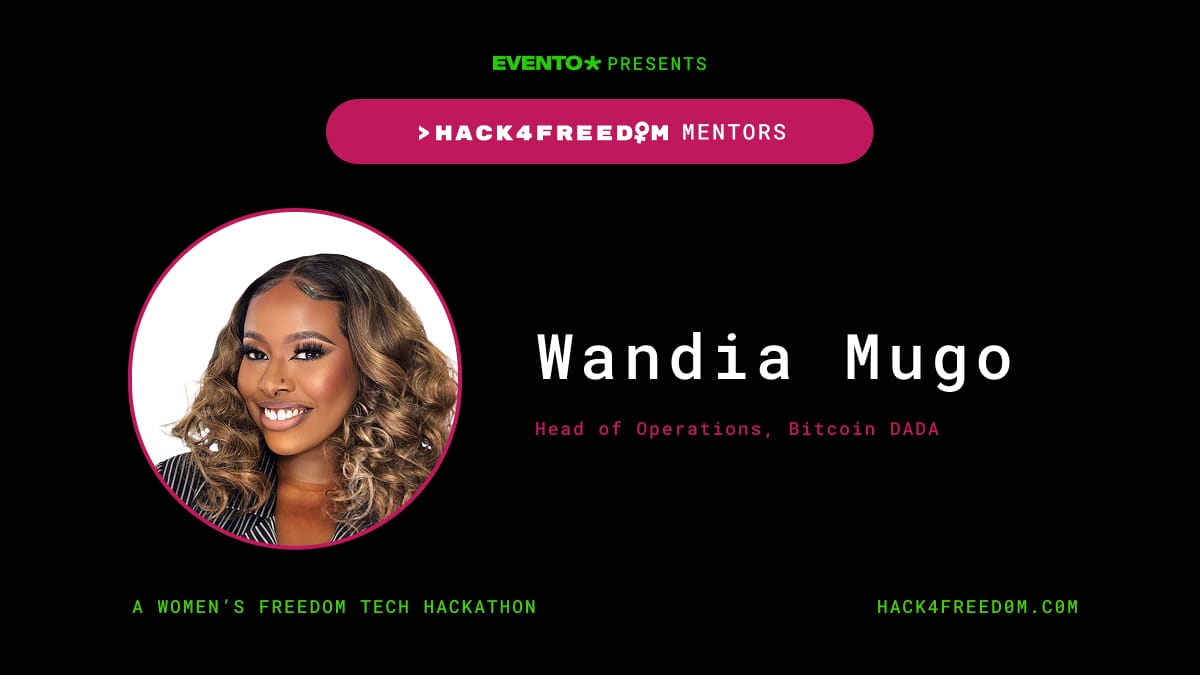
Wandia led a session on AI for bitcoin development and the importance of building with African languages and local data in mind.
Wandia explained how little AI infrastructure exists for African languages, noting that Swahili represents only a tiny fraction of training data while English dominates. With more than 2,000 African languages and fewer than 30 NLP benchmarks, many tools still fail to understand local language, context, and meaning.
Her session challenged participants to build bitcoin and AI tools for African users with African data, instead of relying only on models and assumptions built elsewhere.
Janet Maingi, Co-Founder, Gridless
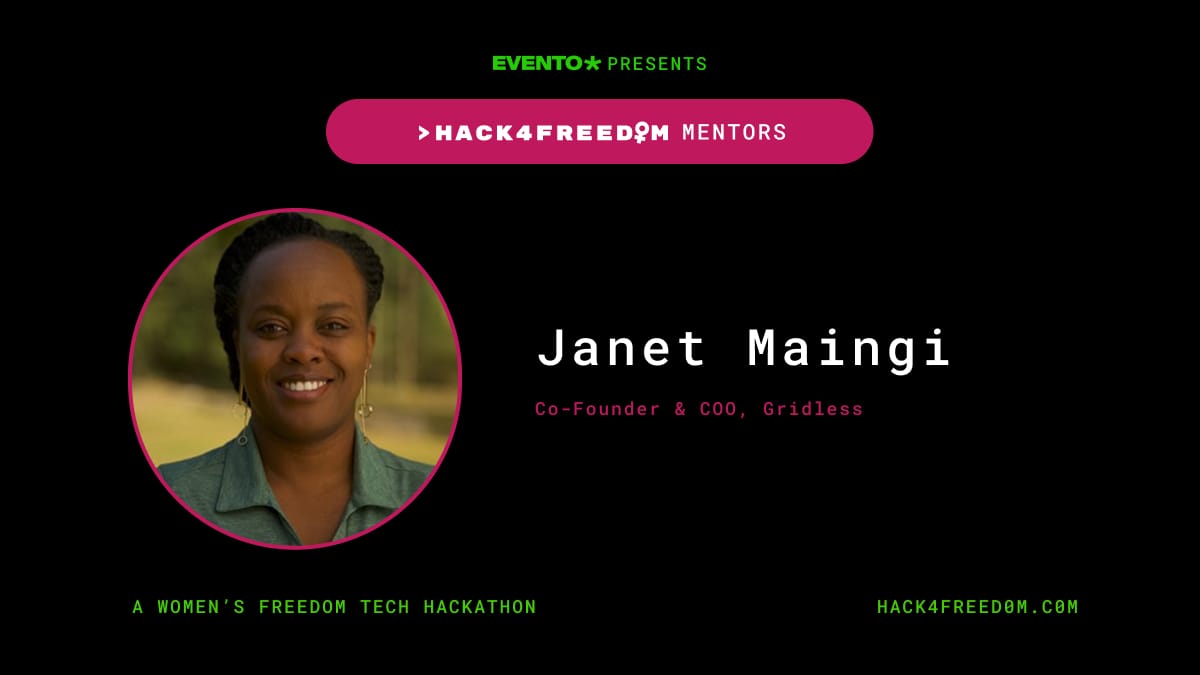
Janet led a session on building in uncertainty and why Africa needs its own playbook for frontier industries.
Janet reminded the cohort that frontier industries do not come with a finished roadmap. Builders have to learn while moving, make decisions with incomplete information, and design for the specific realities of the communities they serve.
Arowolo Kehinde Olamilekan, Bitcoin Backend Developer and BOSS Alum
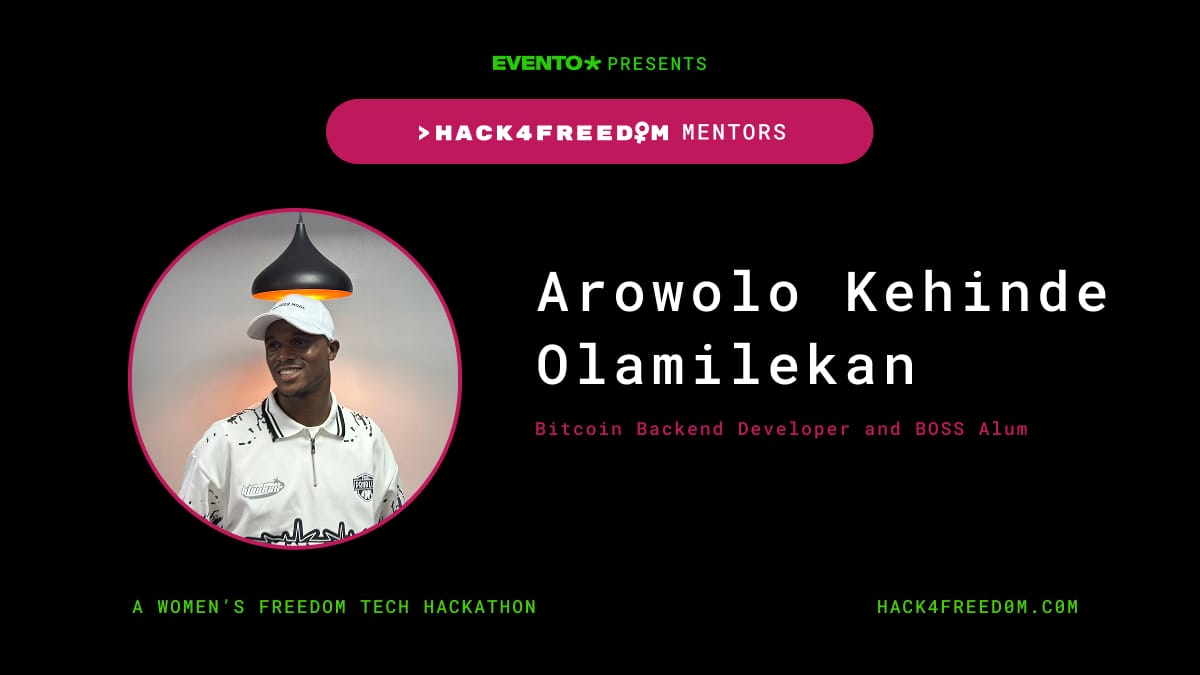
Arowolo led a practical session on moving from consumer to contributor.
He reframed open source as more than code. Documentation, testing, bug reports, translations, design feedback, and thoughtful reviews all count as contributions. He encouraged participants to start with projects they already care about, look for beginner-friendly issues, and treat feedback as part of the process rather than a personal rejection.
You don't need permission. You don't need perfection. You just need to show up.
Demo Day: Five Hours of Builders Taking the Stage
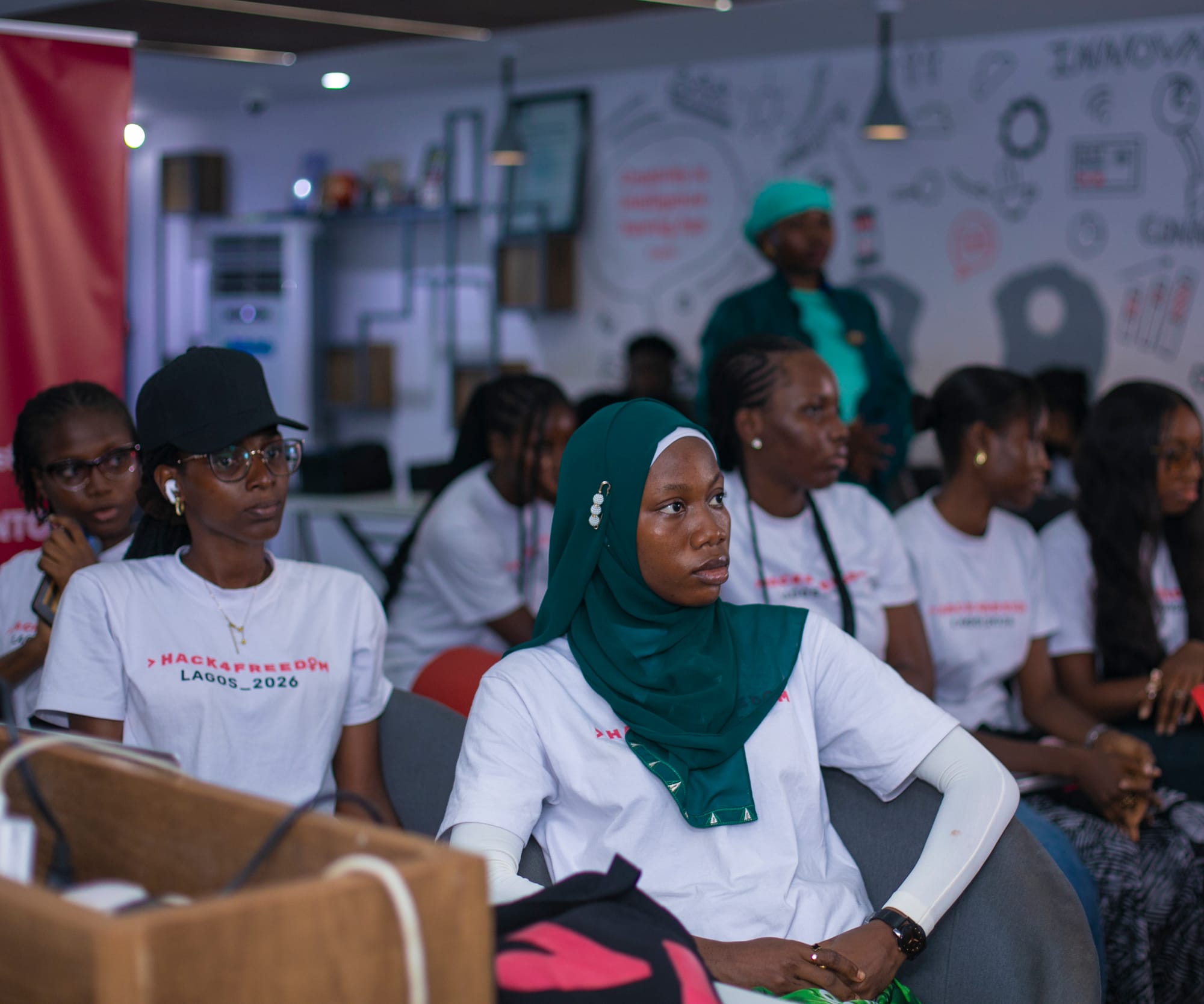
Hack4Freedom Lagos ended with a five-hour Demo Day where teams presented their projects to a panel of judges, mentors, sponsors, and community members.
The judges brought expertise across bitcoin engineering, open-source development, product, design, operations, education, and African bitcoin adoption.
Projects were evaluated on need and problem clarity, problem-solving approach, innovation and originality, societal impact and relevance, team capacity to execute, feasibility, and scalability.
Judges included Stephanie Titcombe, Head of Operations and Program at Btrust; Kelvin Isievwore, Engineering Lead at Btrust; Em, Head of Technology at Africa Bitcoiners; Jesse de Wit, Lightning Network Developer at Breez; and Mary Kate Fain, Founder of Soapbox.
By the end of Demo Day, the growth in confidence was clear. Teams were not only presenting ideas. They were explaining architecture, defending product decisions, answering questions, and showing working prototypes built in public.
Check out all of the open-source projects on our GitHub: https://github.com/hack-4-freedom/lagos-2026/tree/main/projects
The Winning Projects
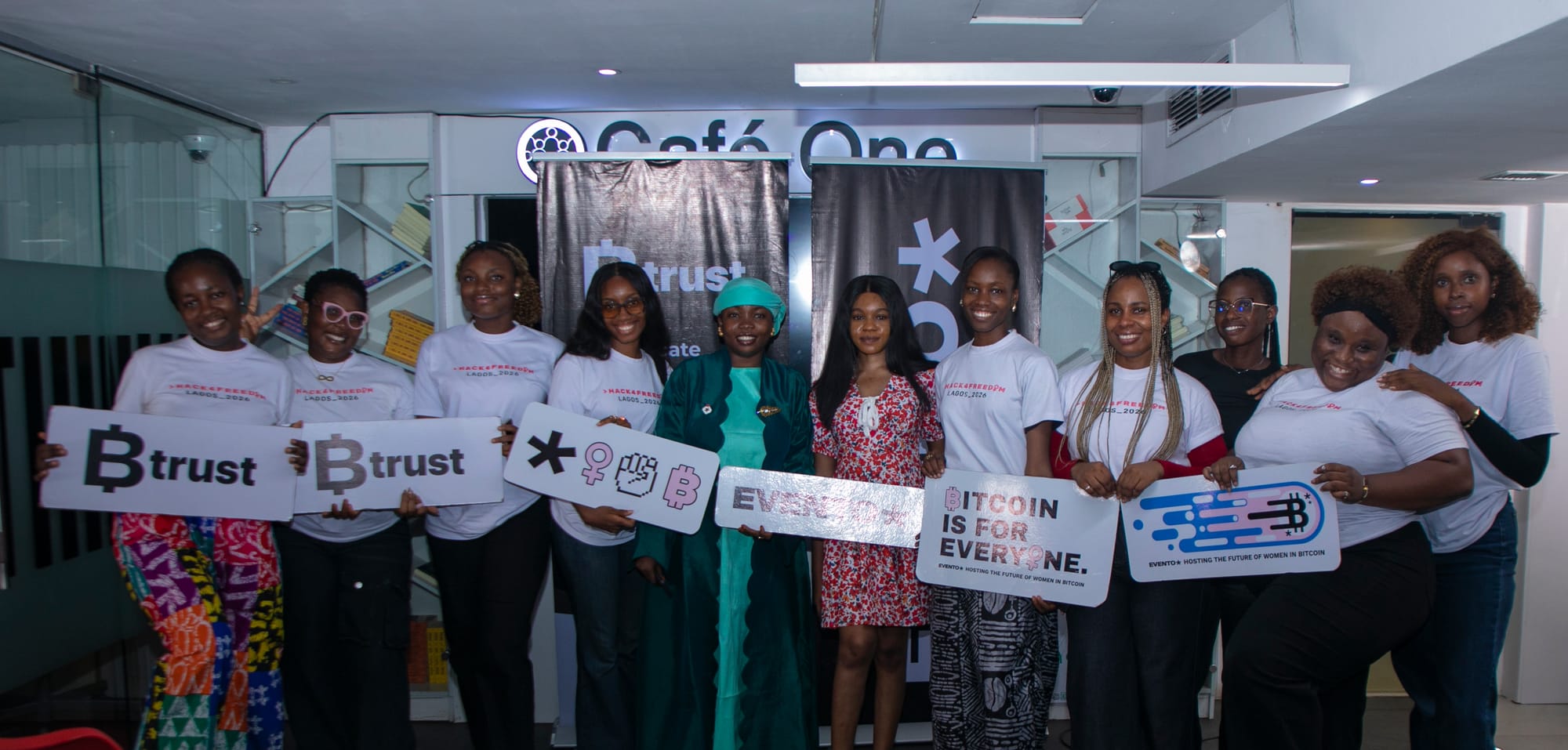
The winning projects showed what happens when the program’s sessions turn into working software. Teams took the ideas they explored throughout the bootcamp: inheritance, bitcoin education, merchant payments, social commerce, open identity, savings, healthcare verification, and financial access, and turned them into prototypes built for real users in their communities.
1st Place: GhostKey
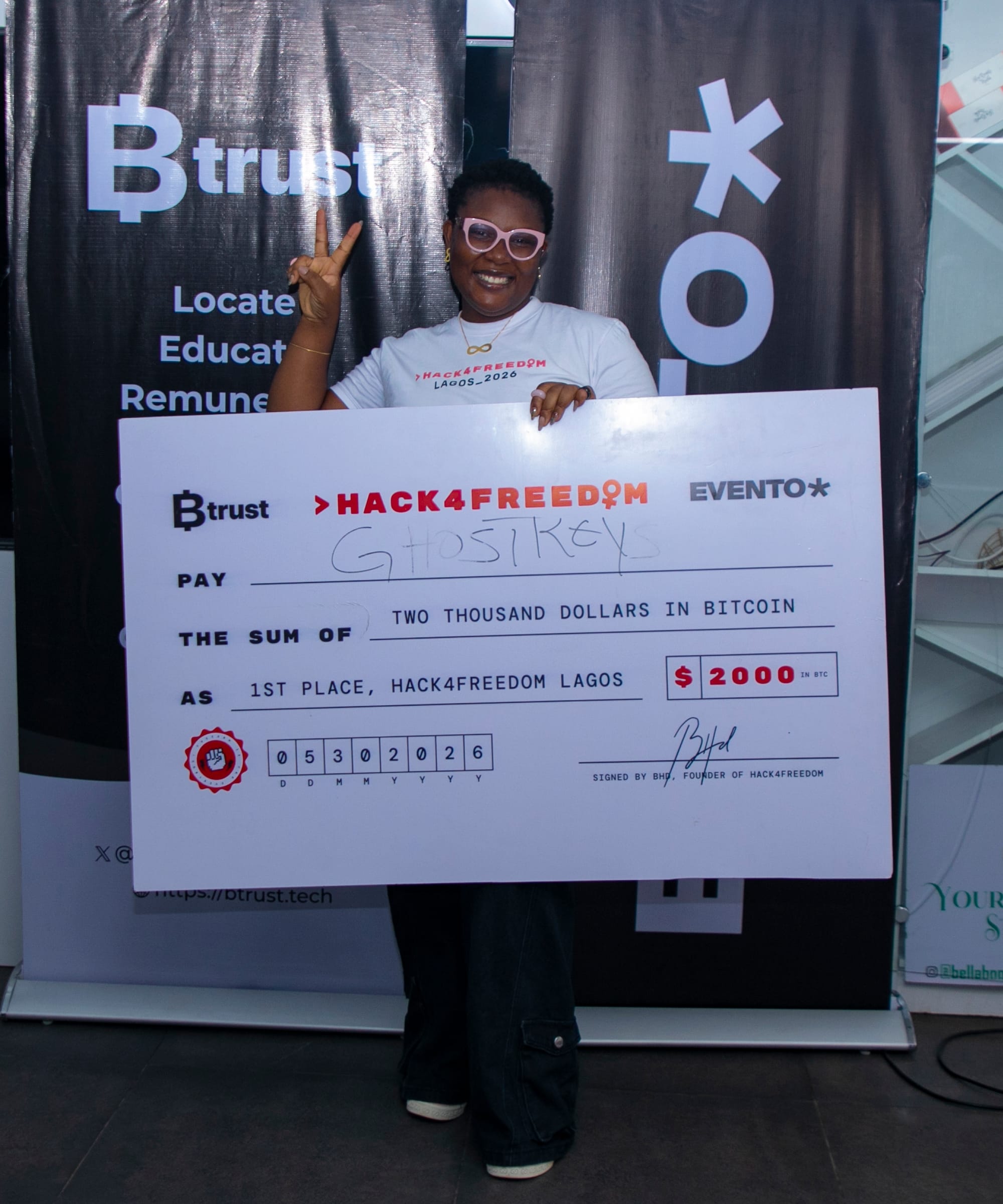
Team: Jolade Okunlade
GitHub: https://github.com/Jolah1/ghostKey
Live app: https://ghostkeyapp.vercel.app
GhostKey is a non-custodial bitcoin inheritance tool built around a dead man’s switch. It lets a bitcoin holder name an heir, set a check-in period, and keep control of their funds during their lifetime. If the owner stops checking in, the heir receives a claim link and can collect the bitcoin directly.
The project uses Taproot scripts and relative timelocks to encode inheritance rules on bitcoin itself. The server never holds keys. Even if GhostKey disappeared, the heir could still claim using the pre-signed transaction path.
Technology: Rust backend, BDK, Miniscript, Taproot, Esplora, Axum, SQLite, React, TypeScript, Vite, Tailwind, fly.io, and Vercel.
2nd Place: SatQuest
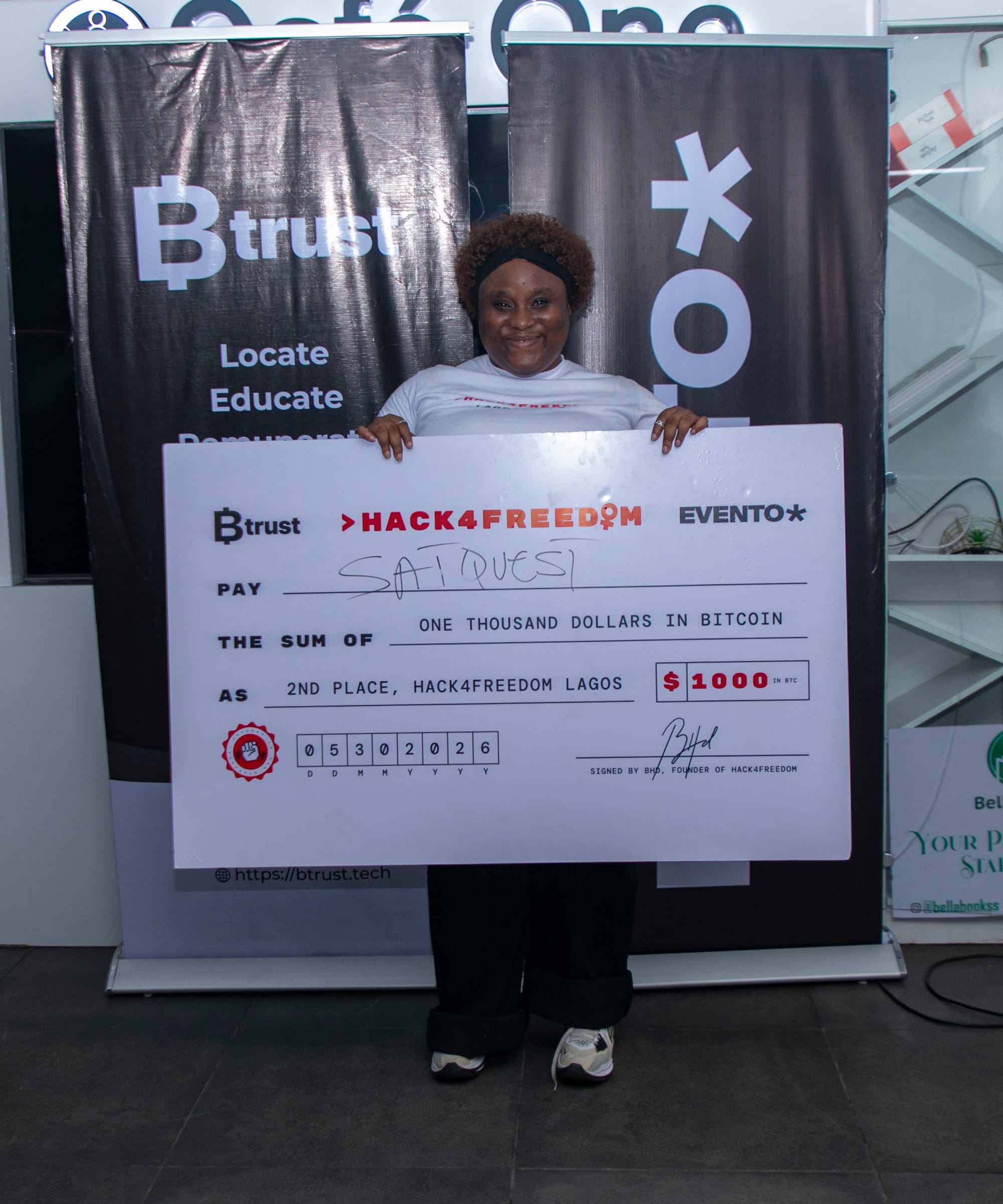
Team: Stephanie Ademuyiwa (@aizuanjeme)
GitHub: https://github.com/aizuanjeme/satquest
Live test link: https://mainsatquest.netlify.app
Live test game link: https://satquests.netlify.app/
SatQuest is a mobile-first PWA that teaches bitcoin and Lightning through gameplay. Players choose an avatar, create a username, and progress through 26 levels that mix Match-the-Pair puzzles with timed Word Hunt challenges. Every completed level earns real sats.
The project is built with a Nigerian lens. Its learning scenarios include market savings, remittances, frozen accounts, and everyday financial realities that make bitcoin easier to understand. The goal is to make bitcoin education fun, early, and practical, especially for young people and first-time learners.
Technology: Vite, React, CSS Modules, NestJS, PostgreSQL, TypeORM, Breez SDK Spark, BIP-39 wallet recovery, deferred sats rewards, and a global leaderboard.
3rd Place: Bitscy
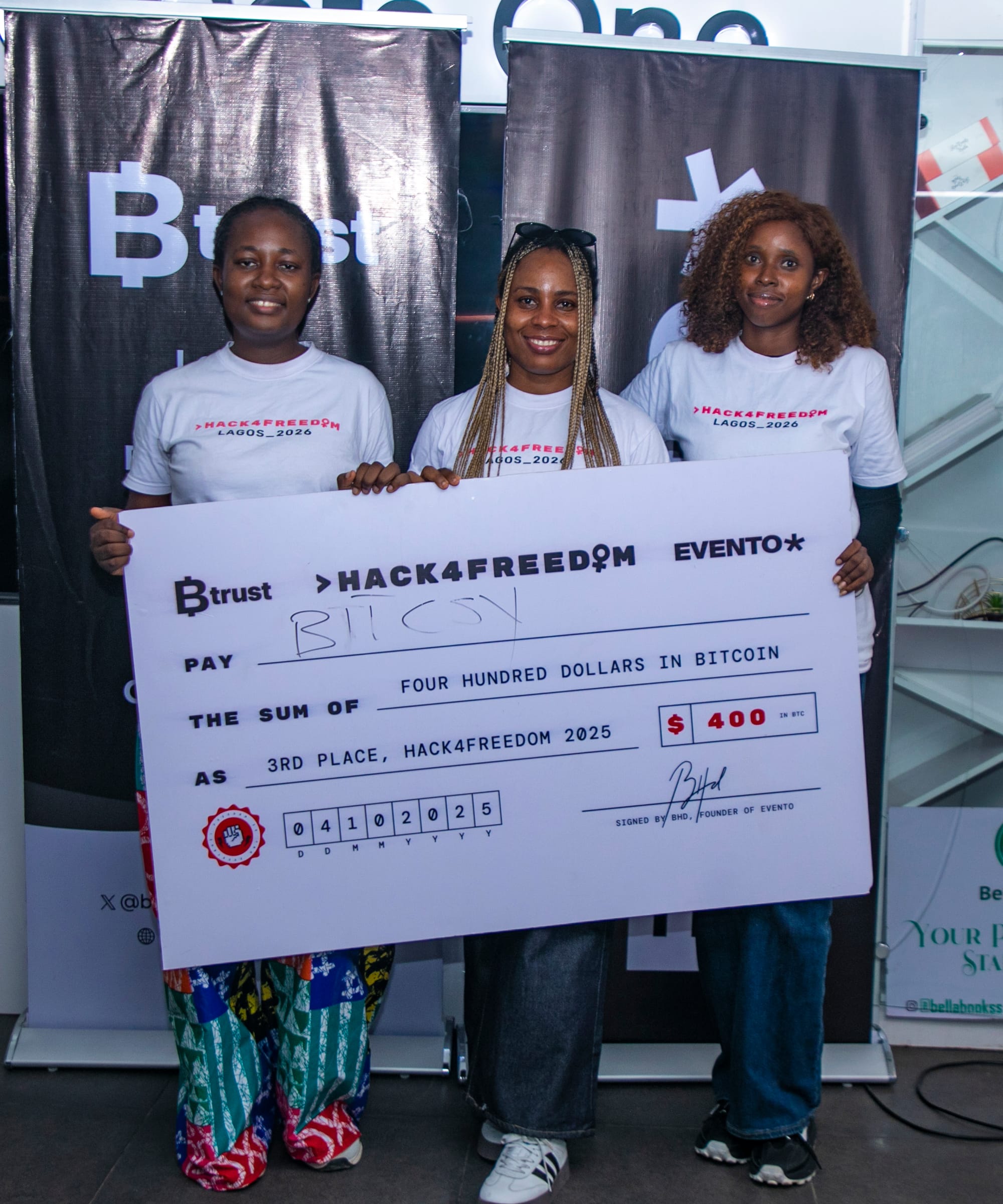
Team: Anuoluwapo Ali, Chioma Chukelu, Oghenerukevwe Sandra Idjighere
GitHub: https://github.com/Bitscy/bitscy_app
Live demo: https://bitscy-app.vercel.app/
Bitscy is a bitcoin-native marketplace for African women artisans and makers. Sellers can list handmade goods, buyers can pay with Lightning from anywhere in the world, and sellers can withdraw to Nigerian bank accounts.
The problem is structural: Etsy, PayPal, Stripe, KYC systems, and international payment rails often exclude Nigerian sellers. Bitscy uses Lightning for global payments, Bitnob for NGN withdrawals, and Nostr for portable identity and marketplace events.
Technology: Next.js, React, TypeScript, Tailwind, Prisma, PostgreSQL, Supabase, Cloudinary, Breez SDK Liquid, Bitnob API, CoinGecko, nostr-tools, NIP-04, NIP-06, NIP-15, and NIP-98.
Best Nostr Project: Zappr
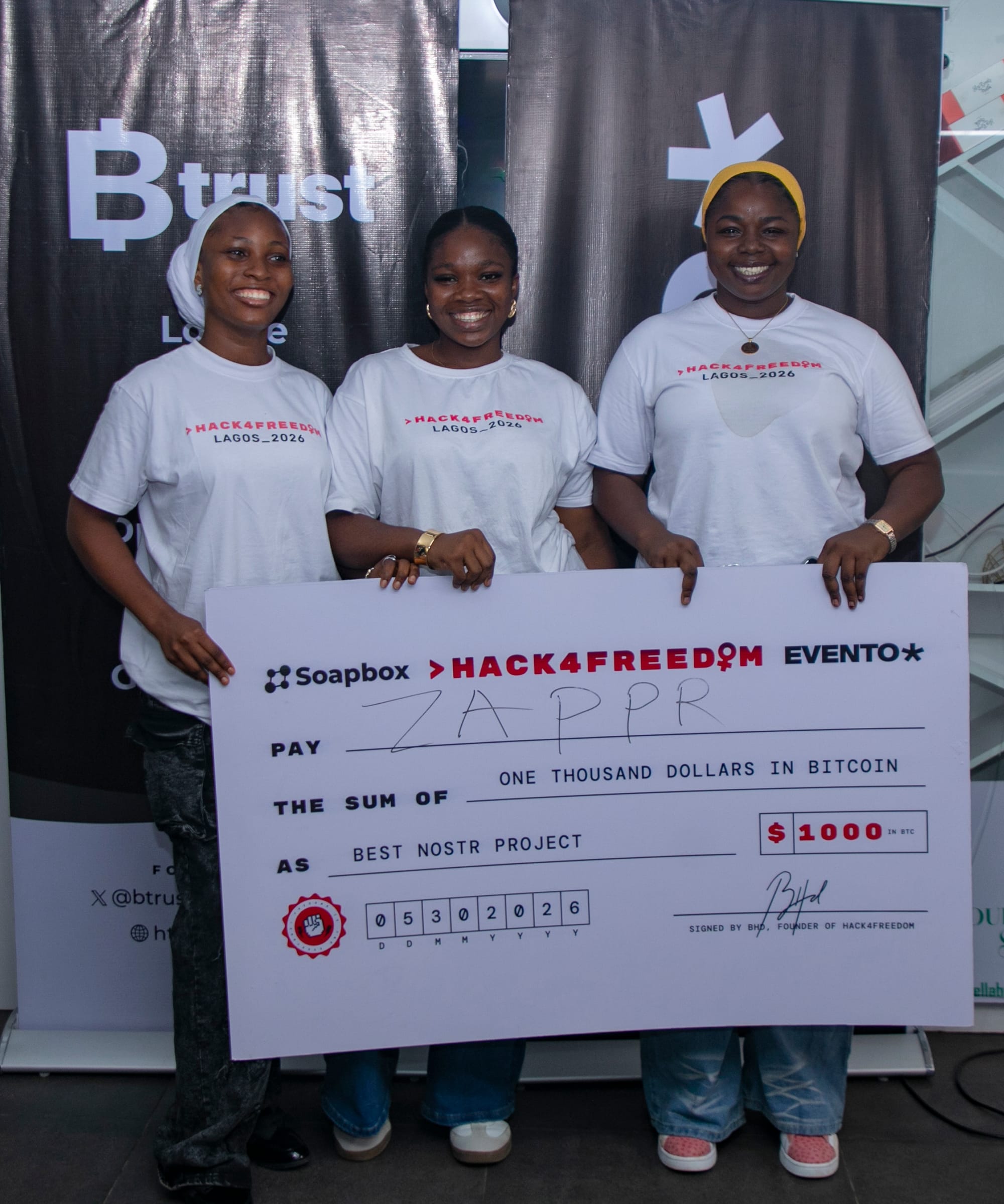
Team: Abdullahi Ummu Salmat (@Salmatcre8), Ibrahim Ashiah Adejoke, Adegboye Oluwadarasimi Busayomi
GitHub: https://github.com/Salmatcre8/zappr
Zappr is a self-custodial bitcoin social and payments hub that combines a Nostr feed, a Lightning wallet, and an AI assistant on one screen. Users can read their feed, zap posts, check balances, and send payments by talking to an agent in English, Nigerian Pidgin, Yoruba, Hausa, Swahili, and more.
The project solves a real onboarding problem: bitcoin and Nostr tools are often fragmented, English-heavy, full of jargon, and difficult for beginners. Zappr uses passkeys and seedless onboarding to help a first-time user get a Lightning wallet and Nostr identity in one step.
Technology: Next.js, TypeScript, Tailwind, NDK, Alby NWC SDK, Breez SDK Liquid, WebAuthn PRF, IndexedDB vault, Zustand, Anthropic API, and MavaPay staging offramp.
Best Breez SDK Project: ZapCart
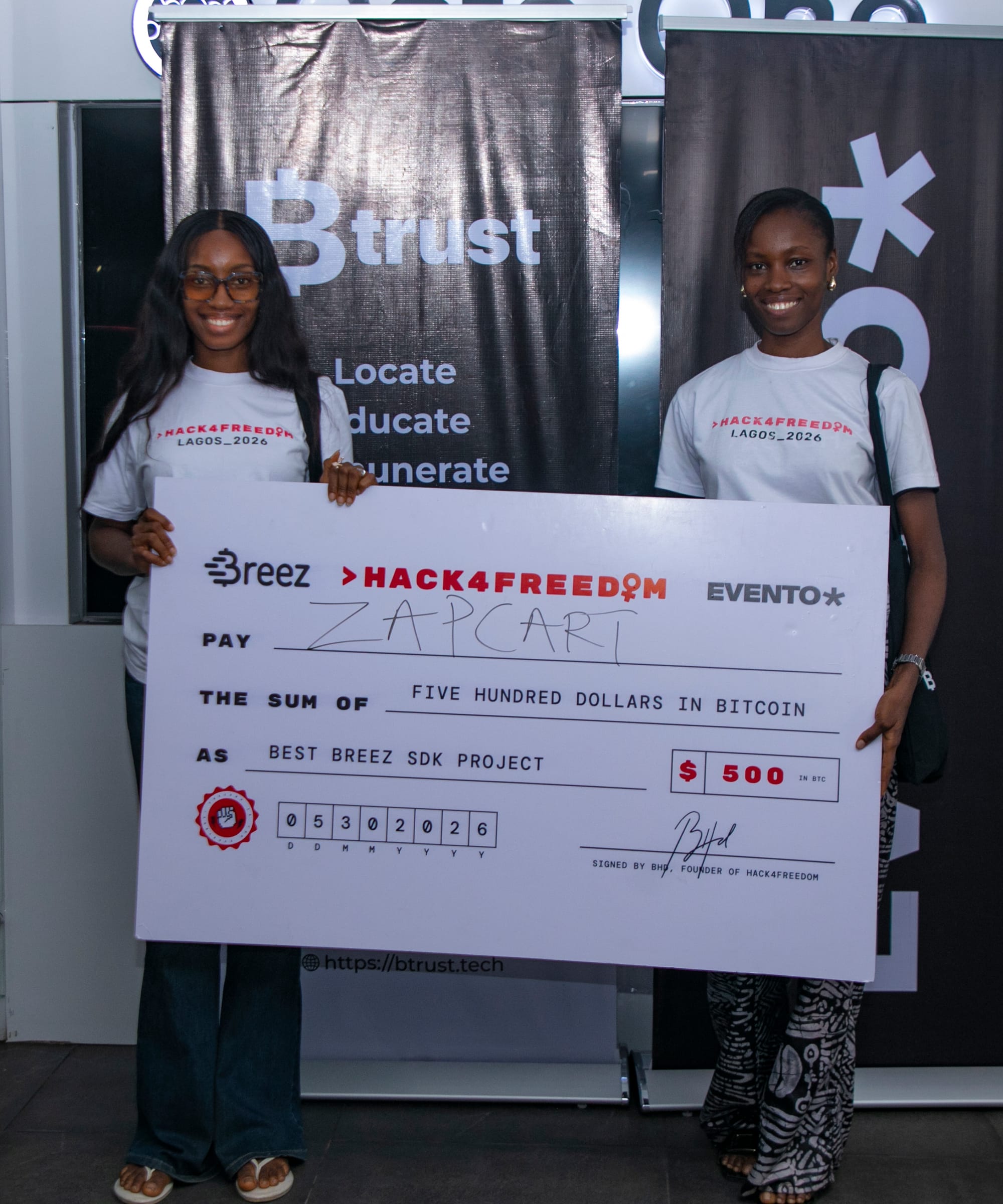
Team: Enyi Gloria, Enyi Hannah, Achusim Ebube
GitHub: https://github.com/gloria2807/ZapCart
Live demo: https://zap-cart.vercel.app/
Demo video: https://vimeo.com/1194957098?share=copy&fl=sv&fe=ci
ZapCart is a mobile-first point-of-sale system for small businesses and everyday traders in Nigeria. It helps merchants accept instant Lightning payments, track sales, manage inventory, and reduce the bookkeeping stress that many informal businesses face daily.
The project came from a real family business problem: handwritten records, forgotten transactions, unclear inventory, customer debt disputes, and end-of-day reconciliation stress. ZapCart turns that workflow into a simple digital checkout and sales record system.
Technology: React, Vite, TypeScript, Tailwind, Zustand, Node.js, and Breez SDK.
Every Project Deserves Credit
Hack4Freedom Lagos produced 13 repo-backed projects in the public Lagos 2026 project folder. The winning teams deserve celebration, but the full story is bigger than the winners. Every team identified a real problem, built in public, and presented what they created.
SafeSale
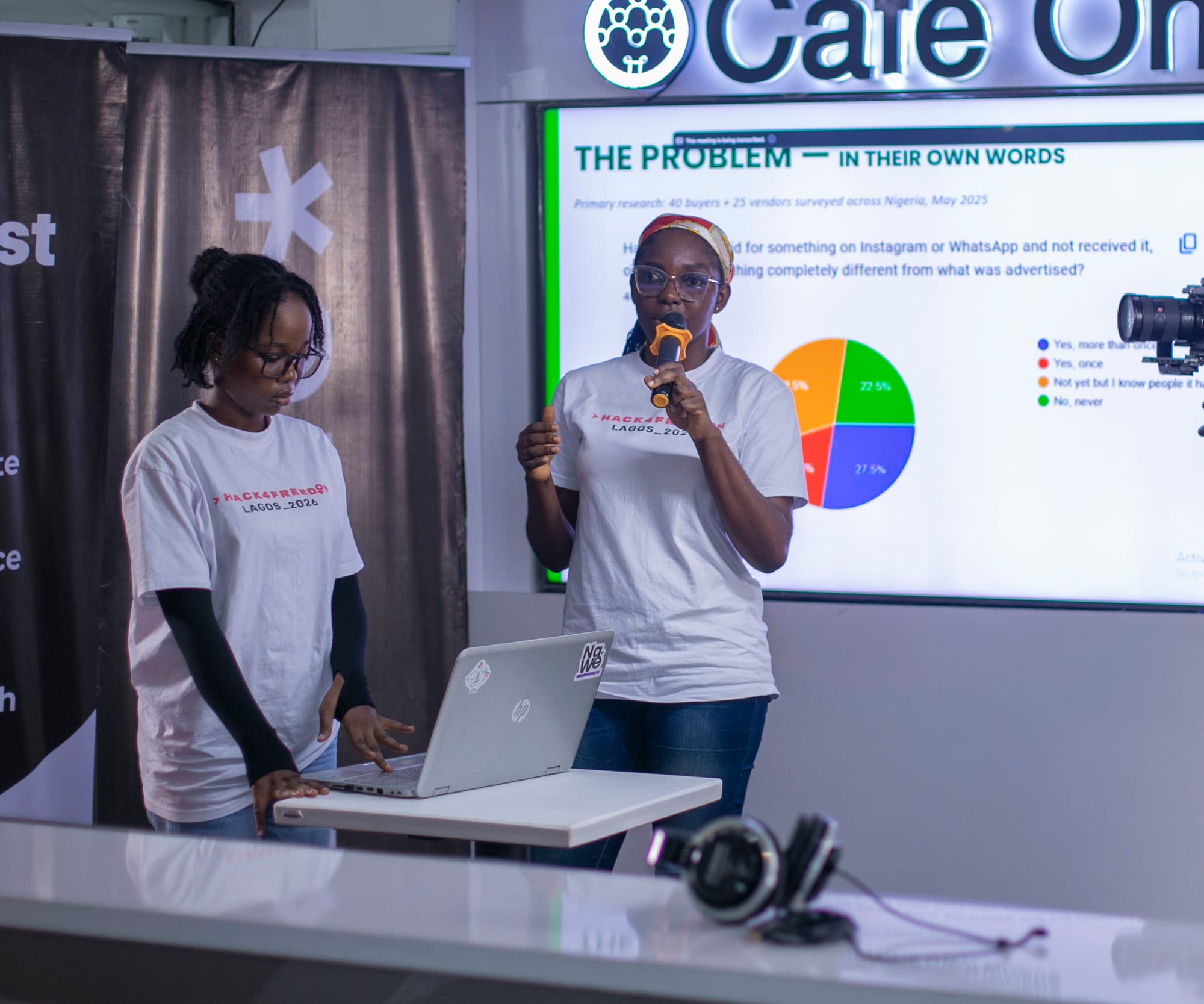
Team: Joy (Backend Engineer), Feyisara (Frontend Engineer)
GitHub: https://github.com/JSE19/safe-sales
Live demo: https://safe-sales-weld.vercel.app/
SafeSale is a decentralized escrow layer for social commerce in Nigeria and West Africa. It is built for Instagram, WhatsApp, TikTok, X, and Telegram micro-sellers who need a way to transact safely without trusting a centralized custodian.
Buyers face pay-before-delivery scams. Sellers face delivery-before-payment theft. SafeSale uses Cashu eCash, P2PK locking through NUT-11, and Nostr identities so funds can be locked without SafeSale holding custody. Seller storefront listings are published as Nostr kind 30018 events, giving sellers portable identity and reputation.
Technology: Node.js, PostgreSQL, React, Cashu, and Nostr.
Ajotribe
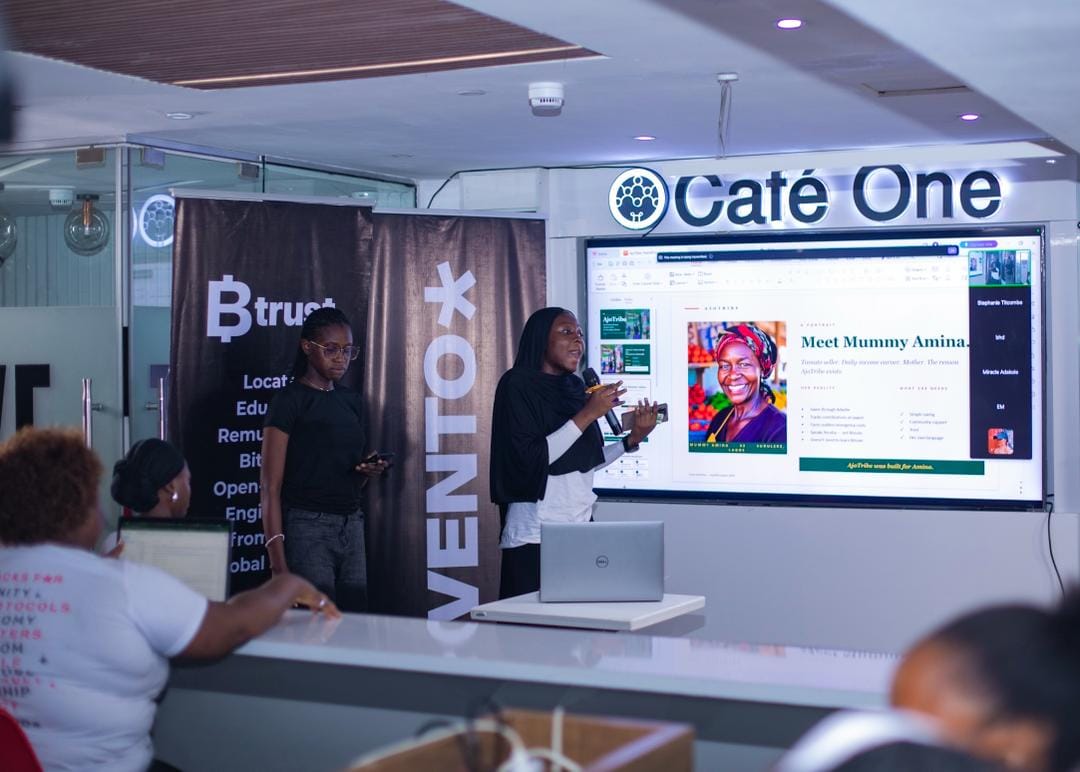
Team: Gloria (Backend Developer), Ramatulahi (Product Manager), Oluchi (Frontend Developer)
GitHub: https://github.com/Glorious21/Ajotribe
Ajotribe is an AI-powered multilingual community finance platform that digitizes informal savings systems like ajo, adashe, and esusu without forcing communities to change how they already save together.
The product is built for informal workers who are often excluded by financial tools that require documents, smartphones, internet access, or English fluency. Ajotribe supports phone-number-only registration, AI onboarding in Hausa, Yoruba, Igbo, Pidgin, and English, digital savings circles, emergency support pools, and USSD access for basic phones.
Technology: React Native, USSD, bitcoin Connect, Node.js, Phoenixd, Breez Nodeless SDK, multilingual AI voice/chat assistant, Lightning Network, Cashwyre API, and USSD telecom rails.
MiraBit
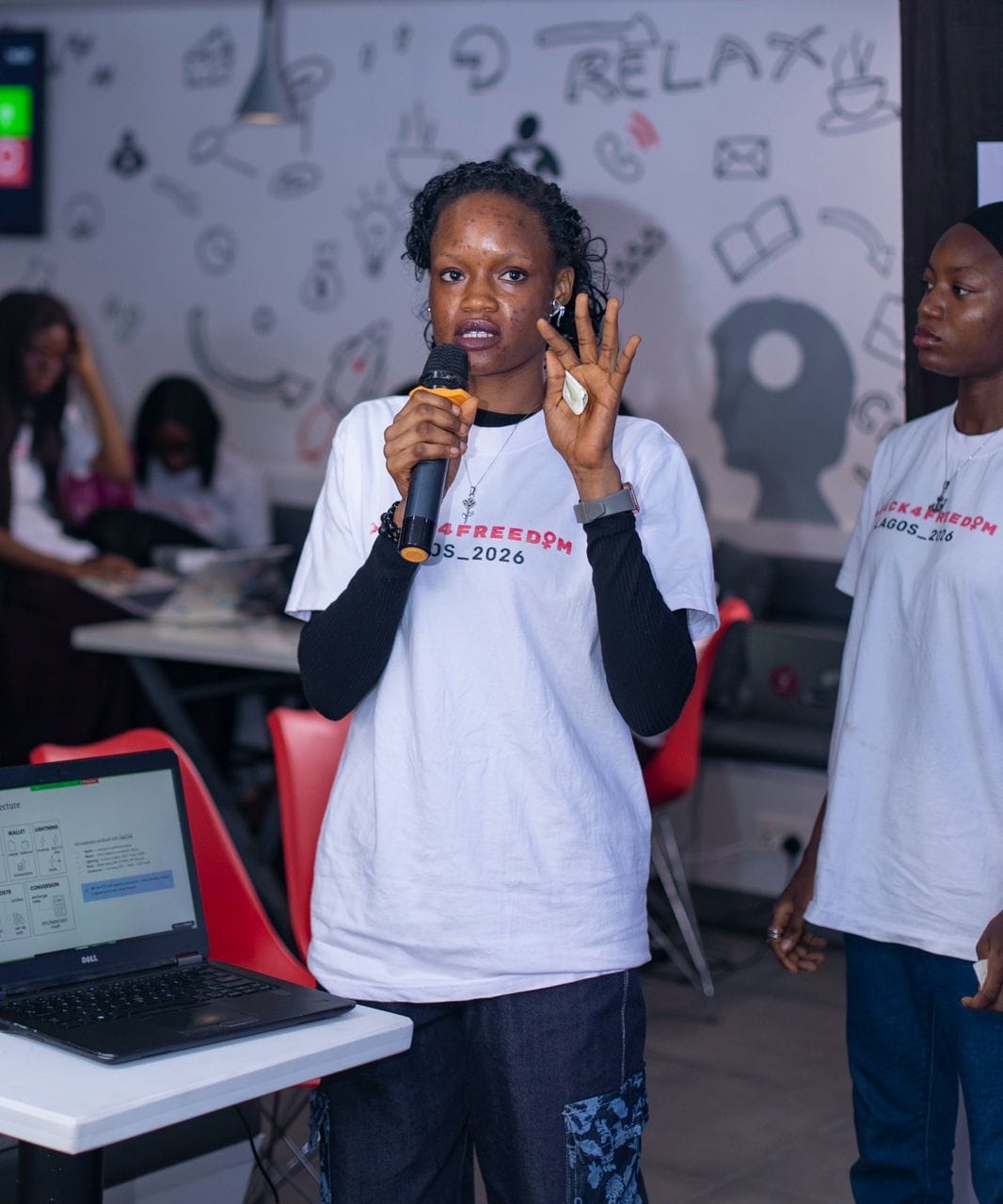
Team: Tankpinu Veronica, Adewole Oluwatunmise
GitHub: https://github.com/Veronicasenami1218/MiraBit
MiraBit is a decentralized savings platform that helps users grow bitcoin holdings by converting spare naira or USDT into a savings pot. It combines goal setting, progress tracking, and a Learn-to-Earn module that rewards users with sats as they build financial literacy.
The project is built for Nigerian users who need beginner-friendly tools to protect savings from inflation and enter bitcoin without feeling overwhelmed. It turns saving and education into one flow: learn, earn, track progress, and build a bitcoin savings habit.
Technology: React, Tailwind CSS, Shadcn UI, LocalStorage, Lightning Network integration, and real-time bitcoin/fiat conversion rates.
KoboSats
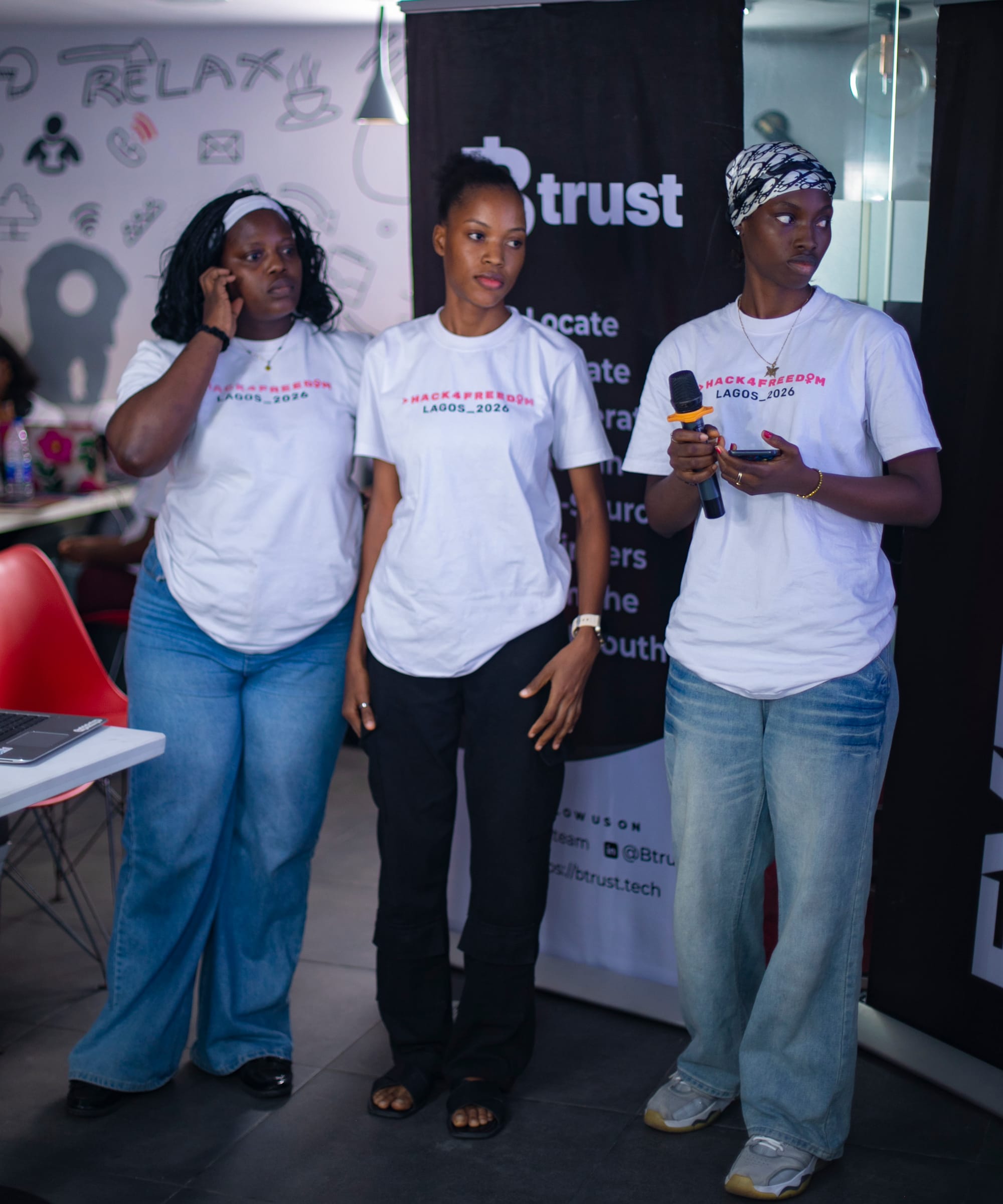
Team: Olowookere Busayomi (Backend Developer), Timilehin Olajolo (Frontend Developer), Rita Okam (Backend Developer)
Frontend GitHub: https://github.com/Team-Lumina/KoboSat-frontend.git
Backend GitHub: https://github.com/Team-Lumina/KoboSat-Backend.git
KoboSats is a self-custody bitcoin Lightning payment tool for Nigeria's informal market traders: food vendors, fabric sellers, phone repair shops, artisans, keke riders, and freelancers. It lets traders receive instant payments in naira, track customer debts, and access the system through either a smartphone web app or USSD on a basic phone.
The project addresses broken bank transfers, unreliable POS systems, stolen or miscounted cash, informal debt tracking, and fintech exclusion for people without BVN, bank accounts, smartphones, or reliable internet. bitcoin runs in the background. Traders see naira.
Technology: React, Tailwind, Python, FastAPI, SQLite/PostgreSQL, Breez Spark SDK, CoinGecko API, Africa's Talking, Nostr, BIP340 Schnorr, Render, and Netlify.
OwnStack
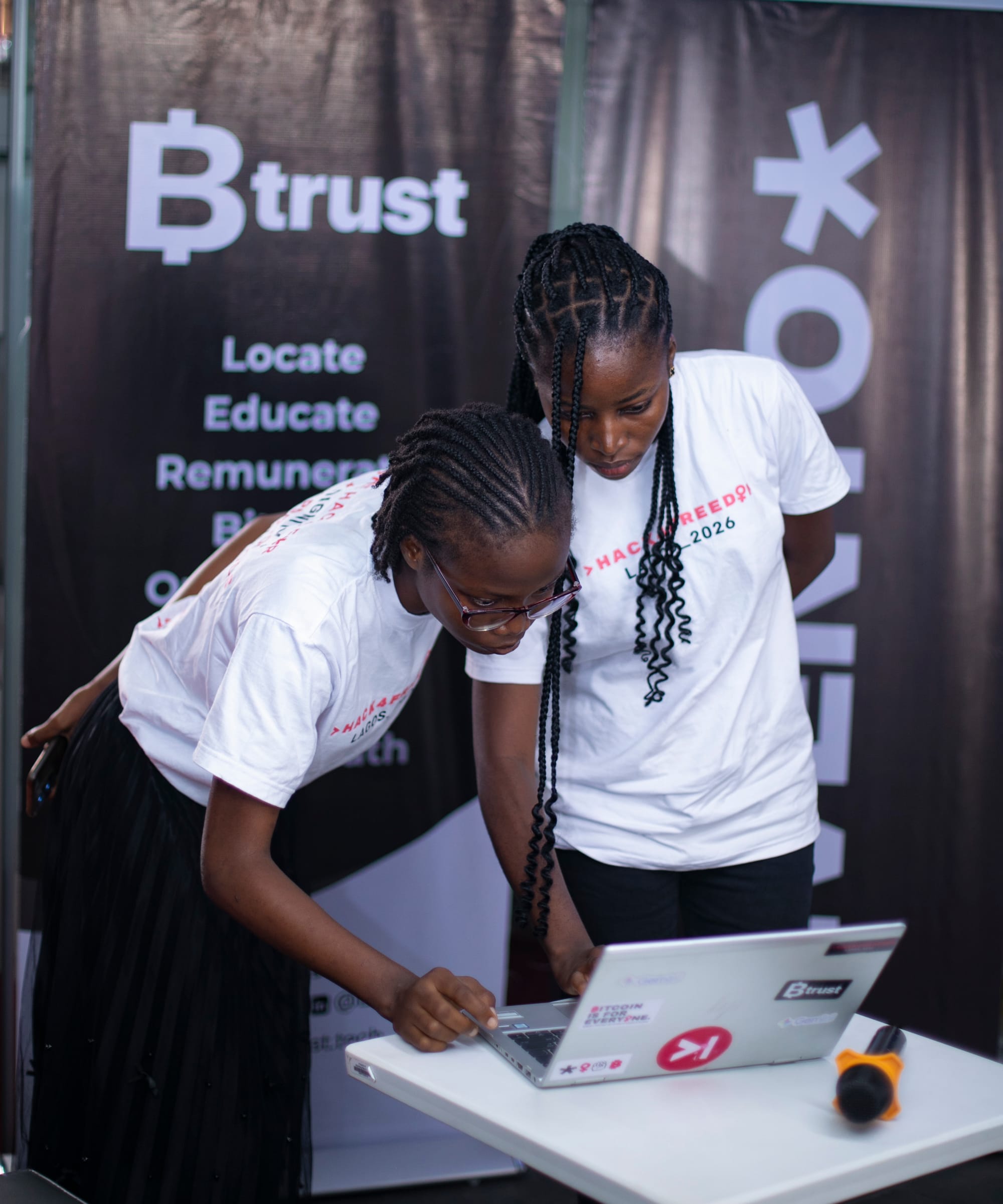
Team: Rebecca Oyeyiola, Abiodun Toluwani
GitHub: https://github.com/oyeyiolarebecca/Ownstack
OwnStack is bitcoin-native business infrastructure for entrepreneurs and small business owners. It helps users create portable business identities, generate invoices, receive Lightning payments, track payments, and keep ownership of business records.
The project focuses on underserved entrepreneurs who currently operate through WhatsApp, Instagram, manual bookkeeping, and centralized platforms. If an account gets restricted, a device is stolen, or chats disappear, business records disappear too. OwnStack uses Nostr authentication and Lightning payments to give entrepreneurs more portable, user-owned infrastructure.
Technology: Next.js, React, Tailwind, Framer Motion, Nostr, NIP-07, nostr-tools, bitcoin Lightning, Bitnob Sandbox, WebLN, LNURL, and Supabase.
BitPath
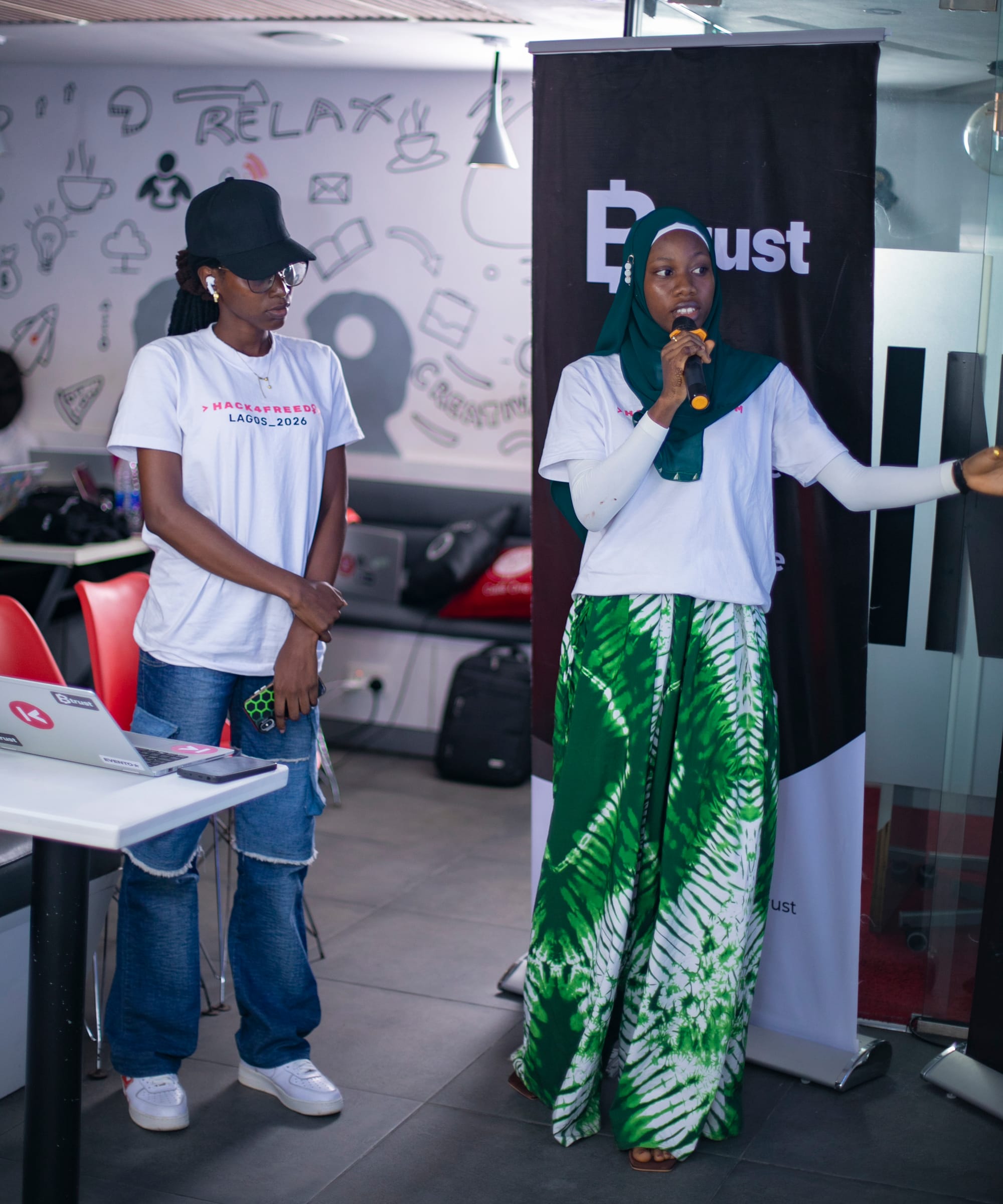
Team: Azeezat Ogunwande (Product Designer & Product Manager), Miracle Adakole (Backend Developer / Blockchain Developer), Jemimah Ekong (Frontend Developer / Blockchain Developer)
GitHub: https://github.com/JemimahEkong/BitPath
BitPath is an AI-powered learn-and-earn platform for bitcoin, digital literacy, and financial education. It combines conversational AI tutoring, gamified learning, progress tracking, and bitcoin rewards.
The project is built for learners who struggle with overly technical bitcoin education, low engagement, and lack of personalized support. Users can learn through a chat-based AI workspace, take quizzes, earn XP, build streaks, and receive bitcoin rewards through Lightning.
Technology: Next.js, TypeScript, Tailwind, Zustand, NestJS, Prisma, PostgreSQL on Neon, Redis Cloud, Bull Queue, OpenAI GPT-4o-mini, and Breez SDK.
Talk2Pay
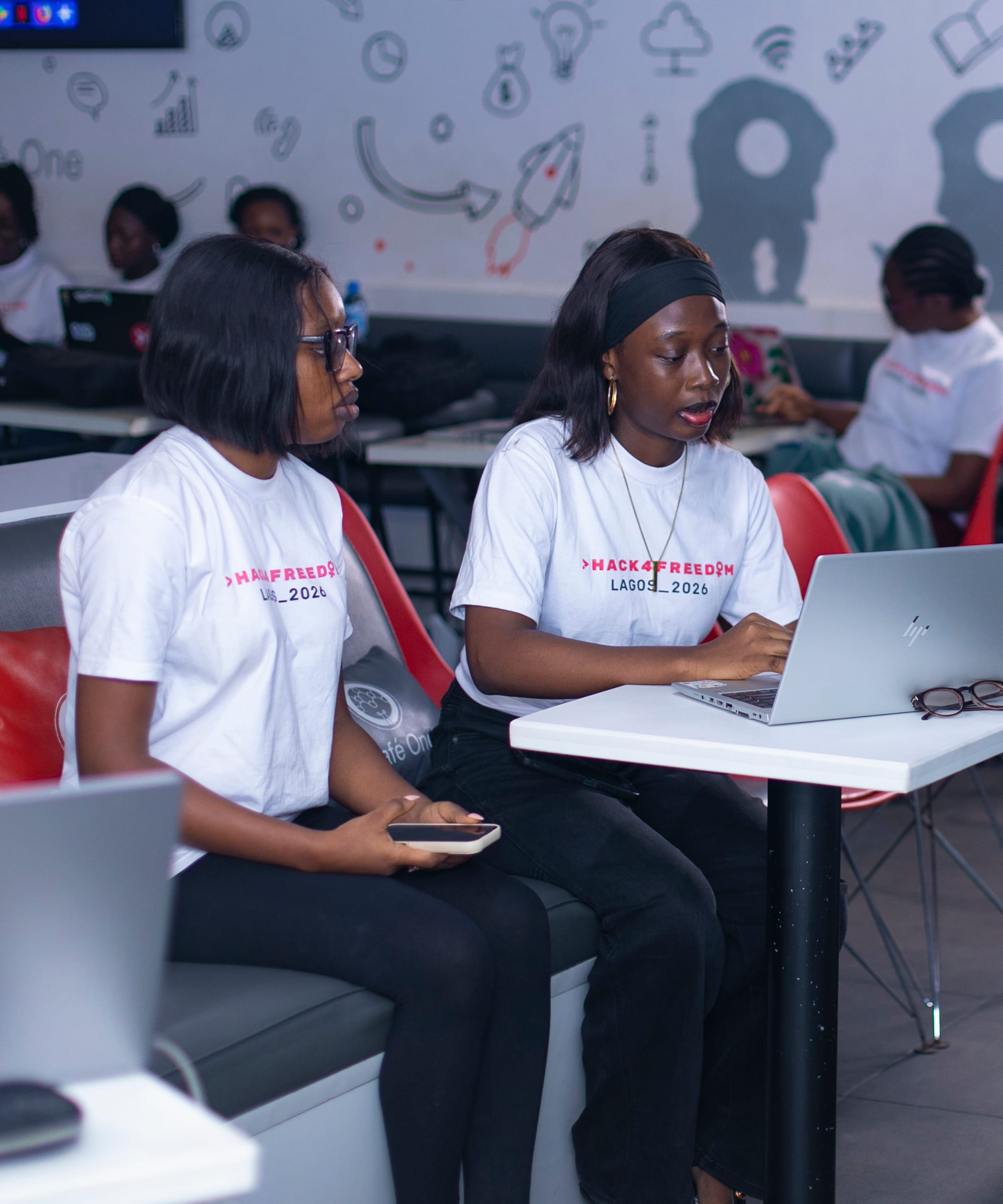
Team: Wuraola Omilabu (Frontend Engineer), Daniella Abibi (Blockchain Engineer), Hasbiyallah Oyebo (Backend Engineer), Rebecca Ojo (Designer)
GitHub: https://github.com/hasbiyallah01/Talk2pay.git
Talk2Pay is a lightweight crypto payment system for small merchants in Nigeria. It lets merchants create bitcoin payment requests through QR codes, payment links, WhatsApp, and USSD, then track transactions through a merchant dashboard.
The project targets real merchant pain points: cash dependence, slow bank transfers, manual payment confirmation, complex crypto tools, and lack of access to global payment systems. It is designed to make bitcoin and Lightning payments practical for local commerce.
Technology: NestJS, TypeScript, PostgreSQL, TypeORM, JWT auth, Swagger/OpenAPI, Twilio WhatsApp API, USSD integration, QR generation, bitcoin/Lightning-ready architecture, and Nostr concepts.
MedSafe
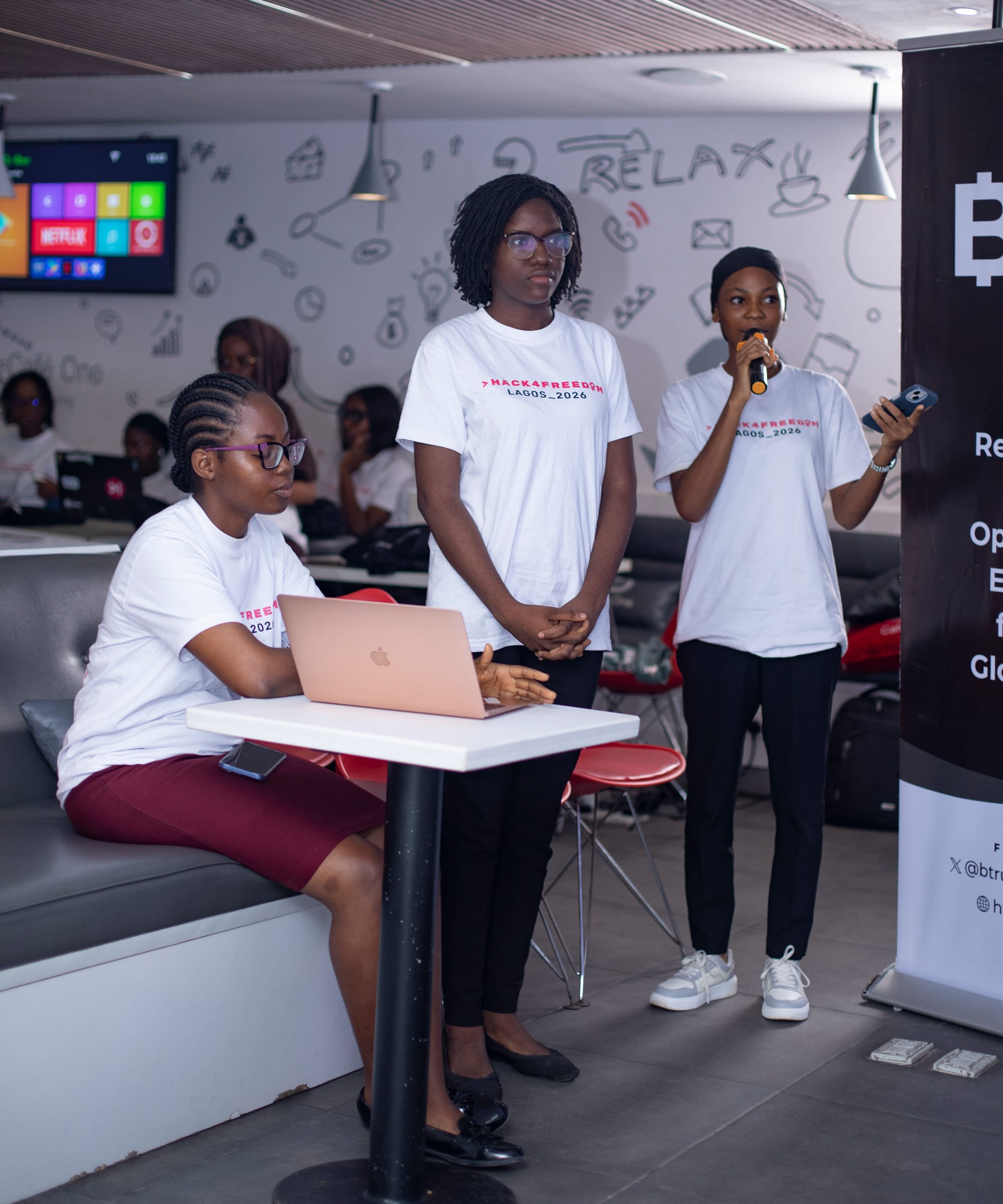
Team: Grace Odah (Developer), Susannah Adebola (Developer), Oluwatimilehin Alarape (Designer)
GitHub: https://github.com/oyingrace/medsafe
MedSafe is a drug verification system built on Nostr and bitcoin Lightning to fight counterfeit and substandard medicines across Africa. Users can verify a drug by sending a photo of the package through WhatsApp or by texting the batch ID. Manufacturers register legitimate batches on the Nostr relay network, with bitcoin Lightning micropayments via Breez SDK used to prevent spam and authenticate registrations.
The project responds to a deadly problem: counterfeit drugs kill hundreds of thousands of people across Africa each year, and existing systems like scratch codes and SMS verification can be slow, corruptible, or faked. MedSafe creates a transparent, immutable, auditable ledger of authentic pharmaceutical batches.
Technology: Next.js 15, Tailwind, shadcn/ui, Nostr kind 30078 records, Breez SDK, Twilio WhatsApp API, Google Gemini 2.5 Flash for OCR/vision, Tesseract.js fallback OCR, Neon PostgreSQL, and anomaly detection heuristics.
A Future Being Built
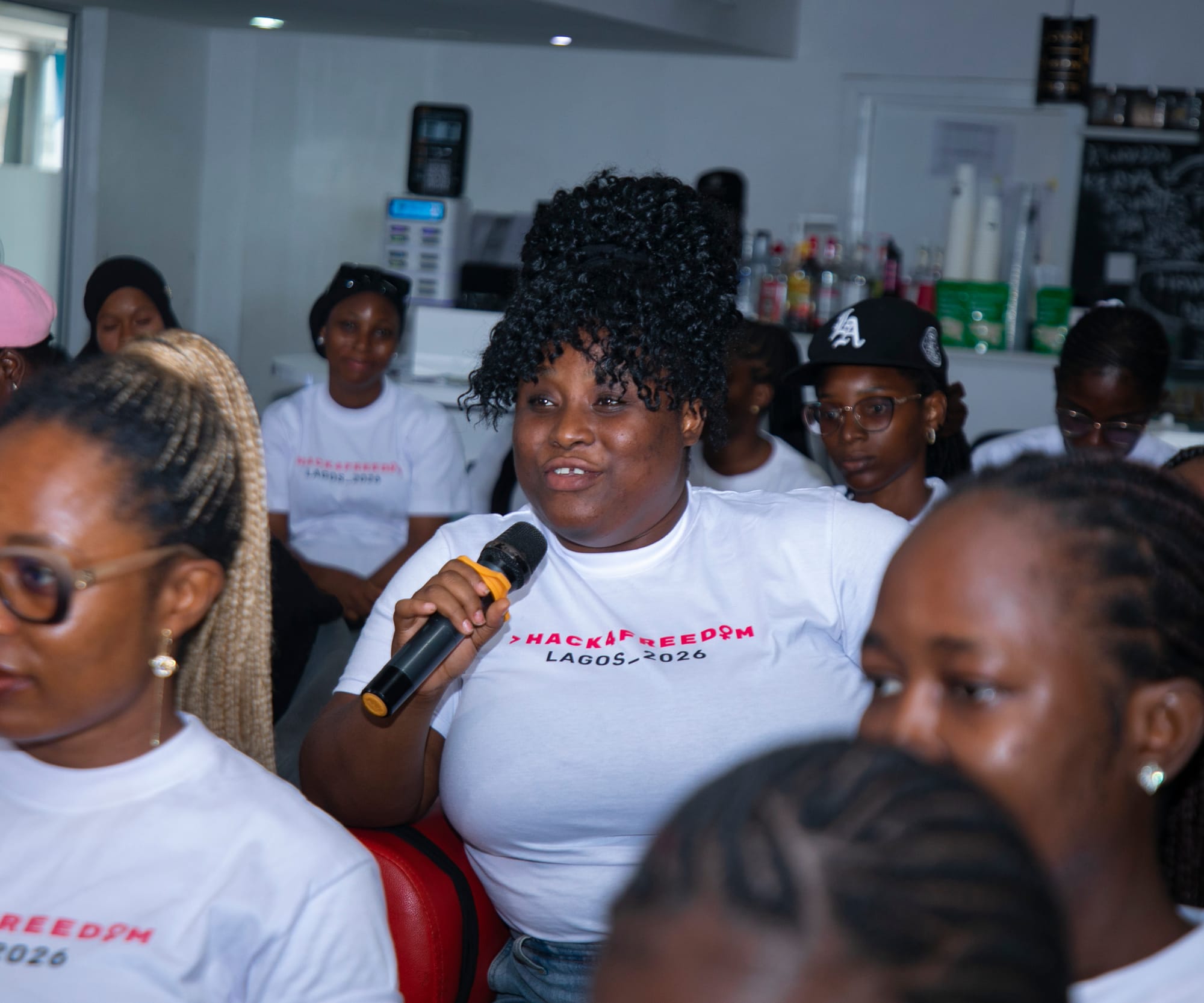
Hack4Freedom Lagos proved that when women are given tools, mentorship, structure, and space to build, they do not just participate. They lead.
Over two weeks, 38 women moved from learning the fundamentals of bitcoin, Lightning, Nostr, design, and open source to shipping public projects and presenting them in front of judges, mentors, and peers. They built inheritance tools, learning games, merchant payment systems, social commerce trust layers, wallets, marketplaces, business infrastructure, healthcare verification, and community finance products for real Nigerian problems.
They did not wait for permission. They wrote the code, opened the repos, asked hard questions, got feedback, debugged under pressure, and stood on stage to show what they made.
That is the point of Hack4Freedom.
The next version of bitcoin cannot be built by the same narrow group of people in the same narrow set of places. If bitcoin is going to serve the world, the world has to be part of building it. Lagos made that visible.
Thank you to every hacker, mentor, speaker, judge, sponsor, and supporter who made Hack4Freedom Lagos possible. Special thanks to Btrust, Evento, Soapbox, and Breez for supporting the program, mentoring the hackers, and helping create a stronger bridge between education and real open-source contribution.
We are just getting started.
If you build, mentor, fund, or want to host a city, reach out to Sekinah at sekinah@evento.so
Next stop: São Paulo, July 12 to 26, in partnership with Btrust and Vinteum.